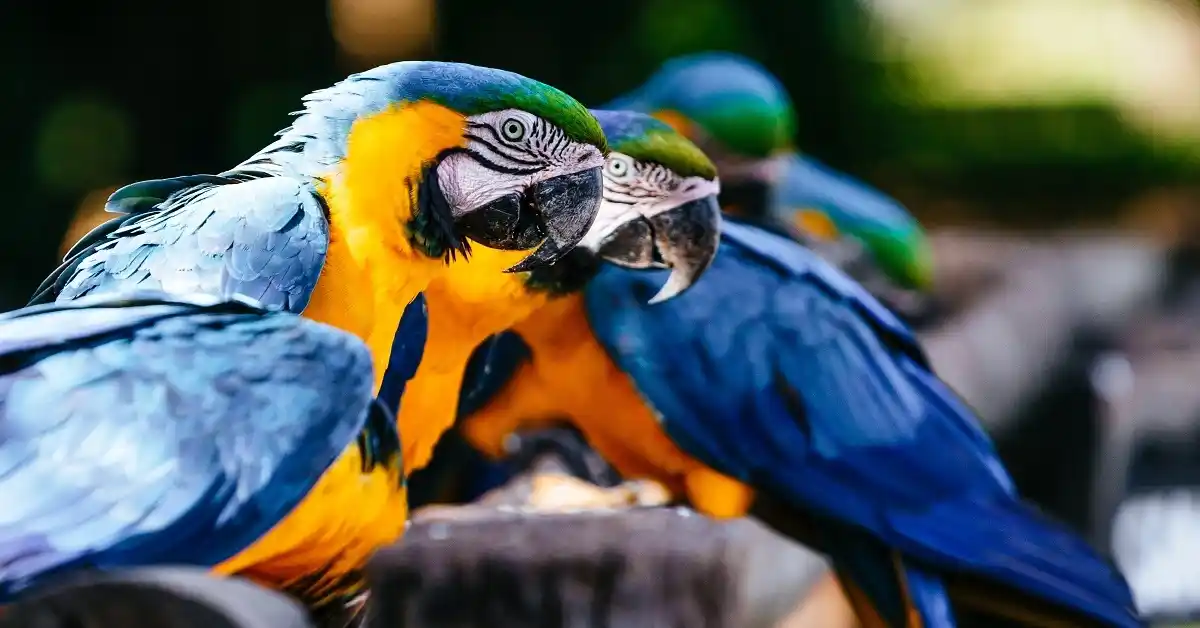

Ever stared at a macaw’s rainbow feathers and wondered what secrets hide behind those clever eyes? Fun facts about macaws reveal these birds as more than pretty faces—they’re intelligent companions with wild quirks. I know how it feels to bond with one; my first macaw, a feisty scarlet named Rio, turned my quiet home into a symphony of squawks and laughter.
The problem? Most pet owners see macaws as flashy decor, missing their depth. This leads to boredom, stress, and unhappy birds. But here’s the solution: dive into these 5 fun facts about macaws to unlock their world. By the end, you’ll appreciate their needs and become a better parrot parent.
Table of Contents
Fact 1: Macaws Are Colorful Geniuses
Their Vibrant Plumage
Intelligence That Rivals Dogs
Fact 2: They Eat Clay to Beat Toxins
The Clay Lick Phenomenon
Why It Matters for Pet Owners
Fact 3: Beaks Stronger Than Hammers
Cracking Coconuts
Safe Play for Captives
Fact 4: Lifespan Longer Than Your Mortgage
80+ Years of Loyalty
Commitment Tip
Fact 5: Mimic Masters with Big Personalities
Speech and Social Skills
Flock Life in Homes
Key Takeaways
Pro Tips for Macaw Lovers
Interactive Checklist
Frequently Asked Questions
Conclusion
Fact 1: Macaws Are Colorful Geniuses
Their Vibrant Plumage
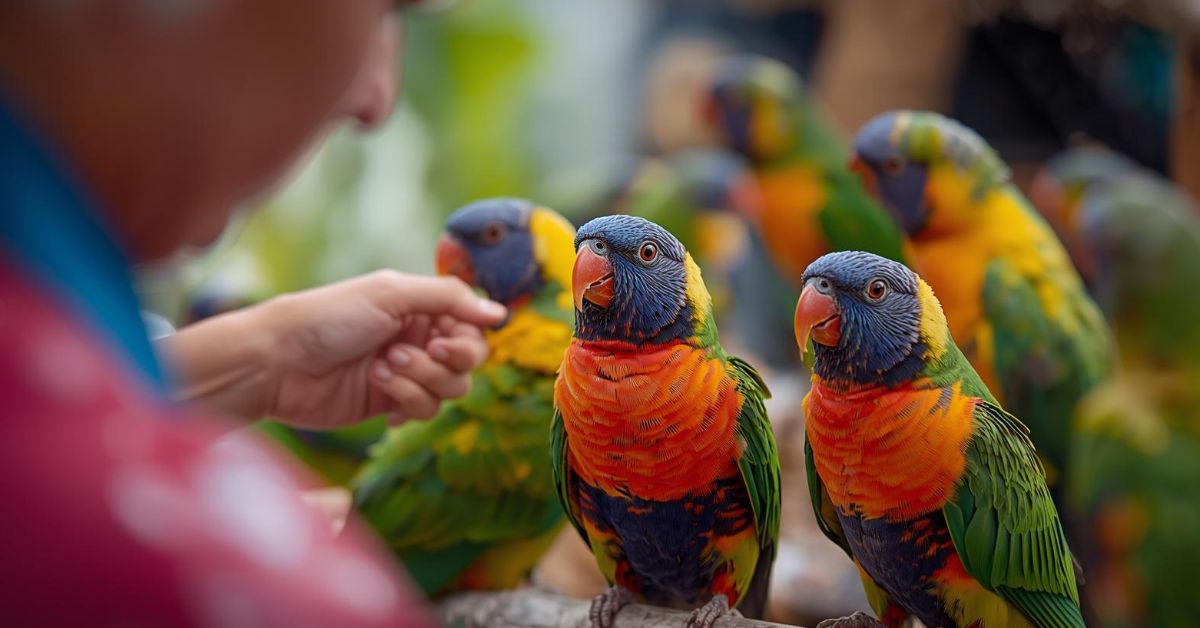
Macaws dazzle with feathers in scarlet reds, hyacinth blues, and gold splashes—nature’s artwork. These colors signal mates and warn predators in rainforests. I once watched Rio strut, his scarlet hues glowing under sunlight, turning heads at the vet clinic.
Scarlet macaws, the poster child of fun facts about macaws, hail from Central America. Their bold palette isn’t random; it aids camouflage in dappled light.
Intelligence That Rivals Dogs
Macaws solve puzzles faster than toddlers. They mimic sounds, use tools, and recognize patterns. Studies show they outperform some primates in cognition tests.
I’ve seen macaws learn tricks via positive reinforcement.
Pro tip: Hide treats in toys for mental workouts.
Key Takeaway: Macaws’ brains demand stimulation—bored birds pluck feathers.
Fact 2: They Eat Clay to Beat Toxins
The Clay Lick Phenomenon
Wild macaws flock to Amazon clay licks, devouring mineral-rich mud. This neutralizes toxins from unripe fruits they crave. Imagine hundreds of parrots licking cliffs at dawn—pure spectacle.
Hyacinth macaws lead these gatherings, bonding over breakfast. Videos from Peru’s Tambopata show the chaos [Link to Authority Site like National Geographic].
Why It Matters for Pet Owners
Pet macaws lack this habit, risking deficiencies. I supplemented Rio’s diet with clay blocks; his digestion improved overnight. Offer cuttlebone or mineral licks weekly.
Fun experiment: Mix safe clay into foraging puzzles. Watch engagement soar.
Benefits of clay eating:
Detoxifies tannins
Boosts minerals like calcium
Prevents crop issues
Fact 3: Beaks Stronger Than Hammers
Cracking Coconuts
Hyacinth macaws snap coconut shells effortlessly—their beaks exert 300 psi of force. Upper mandible curves like a chisel, lower like an anvil.
I’ve handed Rio Brazil nuts; he crunched them in seconds, eyes twinkling. This strength evolved for rainforest diets heavy on seeds.
Safe Play for Captives
Domestic macaws channel this into toys. Avoid soft plastics—they destroy them. Rotate wooden chews to prevent wear.
Real-life story: A client’s macaw mistook a spoon for food. Lesson? Supervise chew time.
| Macaw Species | Beak Strength Example | Toy Recommendation |
|---|---|---|
| Scarlet | Cracks almonds | Hardwood blocks |
| Hyacinth | Breaks coconuts | Stainless steel nuts |
| Blue-and-Gold | Husks fruits | Coconut halves |
Fact 4: Lifespan Longer Than Your Mortgage
80+ Years of Loyalty
Macaws live 50-80 years in captivity, some hitting 100. That’s generations of companionship. Rio’s grandparents outlived their owners.
Wild lifespans shorten due to habitat loss, but pets thrive with care. Predators can’t touch these flyers reaching 35 mph.
Commitment Tips
Adopt knowing it’s lifelong. I counsel readers: plan trusts for rehoming.
Longevity boosters:
Balanced avian vet checkups
UV lighting for vitamin D
Social flocks or human bonding [Link to relevant PeterJourney post on parrot health]
Pro Tip: Budget $1,000/year for a macaw—food, toys, vet bills add up.
Fact 5: Mimic Masters with Big Personalities
Speech and Social Skills
Macaws mimic human speech with eerie accuracy, thanks to syrinx anatomy. They greet with “Hello!” or squawk alarms.
Flocks of 10-30 chatter constantly, marking territory. Pet macaws treat owners as flock mates.
Flock Life in Homes
Loneliness stresses them—provide mirrors or mates. Rio “talks” to my TV, mimicking ads.
Observation: Train phrases daily; consistency unlocks vocabularies of 20+ words.
Key Takeaway: Fun facts about macaws highlight social needs—solo birds decline.
Key Takeaways
Macaws blend beauty, brains, and brawn for unforgettable pets.
Clay eating detoxes; mimicry bonds.
Commit long-term—their loyalty repays tenfold.
Strong beaks demand durable toys.
Pro Tips for Macaw Lovers
Forage daily: Hide seeds in paper for natural hunting.
Socialize early: Hand-feed chicks for tame adults.
Monitor health: Watch for plucking—sign of stress.
Enrich environment: Swings, ladders, music playlists.
Read [Link to relevant PeterJourney post on exotic bird setup] for setups.
Interactive Checklist: Is Your Macaw Thriving?
Daily mental puzzles (2x/day)
Clay or mineral supplement weekly
Vet check every 6 months
Flock interaction (human or bird)
Varied diet: nuts, fruits, pellets
These 5 fun facts about macaws—genius colors, clay detox, mighty beaks, epic lifespans, mimic magic—paint a vivid picture of rainforest royalty. From my decade with Rio, they’ve taught empathy and joy.
Ready to welcome one? Check out our guide on how to keep pet birds warm in winter for essential care tips.