
Table of Contents
The Day the Sun Became Too Much
It was a Tuesday in July, the kind of afternoon where the air feels like a warm, wet blanket. I remember looking at my Golden Retriever, Barnaby, as he sprawled across the kitchen tiles. Usually, he’s the first one to nudge me for a walk the moment I close my laptop, but that day, he didn’t even lift his head.
I noticed his chest was moving faster than usual. His tongue was lolling out, longer and wider than I’d ever seen it. I realized then that heatstroke in dogs isn’t always a dramatic collapse in the middle of a park; it often starts as a quiet, mounting distress that we, as their guardians, have to be intuitive enough to catch.
Dogs don’t have the luxury of sweating through their skin to cool down like we do. They rely on us to understand their silent language. When the mercury rises, the bond of trust we share with them becomes their primary survival mechanism. They trust us to know when it’s too hot, when the pavement is too scorched for their paws, and when their bodies are reaching a breaking point.
Understanding the Canine Cooling System
To truly protect our companions, we have to understand how they work. While we have sweat glands nearly everywhere, dogs primarily dissipate heat through panting and a very limited amount of sweating through their paw pads.
Panting is an evaporative cooling process. As a dog breathes in, moisture on the tongue and the lining of the lungs evaporates, whisking away heat. However, when the humidity is high or the ambient temperature exceeds their body temperature, this system fails. The air they pull in is just as hot as the air they are trying to expel.
This is why heatstroke in dogs is so insidious. By the time they look “tired,” their internal organs may already be struggling to cope with a core temperature that is climbing toward dangerous levels.
1. Excessive and Frantic Panting
Panting is normal after a game of fetch, but heatstroke panting feels different. It’s frantic. It sounds labored, almost as if the dog is struggling to catch their breath rather than just cooling off.
I remember watching a neighbor’s Bulldog at the park last summer. The dog wasn’t running; he was just standing there, but his panting was so loud it could be heard from twenty feet away. This “heavy” panting is often the very first sign that the body’s internal cooling system is being overwhelmed. If the tongue looks abnormally large and bright red, it’s a sign that the blood is rushing to the surface to try and shed heat.
2. The Color of Their Gums
One of the most reliable ways I’ve learned to check a dog’s health is by looking at their gums. A healthy dog has “bubblegum pink” gums. When a dog is experiencing heatstroke, their gums can change dramatically.
They might become a deep, dark red, or in more advanced stages of shock, they might turn pale or even grayish-blue. If you press your finger against the gum and let go, the color should return almost instantly. If it takes more than two seconds (delayed capillary refill time), their circulation is struggling.
3. Hypersalivation and Thick Drool
We all know the “slobber” that comes with certain breeds, but during heat exhaustion, a dog’s saliva often changes consistency. It becomes thick, ropey, and excessive. The body is trying to use every bit of moisture it has to facilitate evaporative cooling, but as dehydration sets in, the saliva thickens. If you notice your dog has “foam” around their mouth or long strings of sticky drool after being in the sun, they need water and shade immediately.
4. Lethargy and Unusual Stumbling
Dogs are masters at hiding pain, but heat steals their coordination. If your usually bouncy pup seems “drunk” or is swaying while they walk, their brain is feeling the effects of the heat.
I once saw a hiker trying to encourage their Lab to keep going on a trail. The dog wasn’t being stubborn; he was dizzy. He would take a few steps and then his back legs would slightly give out. This is a sign of neurological distress caused by hyperthermia. Never assume your dog is just being “lazy” on a hot day.
5. Elevated Heart Rate and Racing Pulse
If you place your hand on your dog’s chest, you should feel a steady, rhythmic beat. During heatstroke, the heart races to pump blood to the skin’s surface. If your dog’s heart feels like it’s vibrating or beating at a terrifying speed while they are resting in the shade, their system is in overdrive.
6. Vomiting and Diarrhea
It’s distressing to see, but an upset stomach is a common secondary sign of heatstroke. High internal temperatures can cause the lining of the gastrointestinal tract to become inflamed or even start to slough off. If your dog is overheating and begins to vomit or has loose stools (sometimes containing blood), this is a medical emergency. Their body is essentially shutting down non-essential functions to try and protect the brain and heart.
7. Mental Confusion and Glazed Eyes
When you look at your dog, you usually see “someone” looking back at you—that spark of recognition. During heatstroke, that look often disappears, replaced by a glazed, vacant stare. They might not respond to their name or a favorite treat. This “brain fog” is a terrifying symptom of the brain beginning to swell from the heat.
8. High Body Temperature
A dog’s normal temperature is between 101°F and 102.5°F. Once it hits 104°F, they are in the danger zone. At 106°F, permanent organ damage or death can occur very quickly. While most owners don’t carry a thermometer, you can often feel the heat radiating off their belly or ears. They will feel hot to the touch, not just “warm” from the sun.
9. Pinpoint Bruising (Petechiae)
This is a more subtle sign, but a very serious one. If you look at the hairless areas of your dog’s belly or the inside of their ears and see tiny red spots that look like pinpricks, these are small hemorrhages. This indicates that the blood is no longer clotting correctly—a late-stage symptom of heatstroke that requires immediate veterinary intervention.
10. Collapse or Seizures
This is the final, most desperate sign. When the body can no longer regulate itself, the nervous system begins to fail. A dog may fall over and be unable to get back up, or they may experience tremors and seizures. If this happens, every second counts.
The Silent Connection: Trust and Body Language
Preventing heatstroke in dogs starts long before the sun comes out. It starts with the bond you build every day. When Barnaby and I play, I’m constantly “checking in” with him. I watch how he carries his tail and how quickly he recovers after catching a ball.
Because he trusts me, he looks to me for cues. If I stop and drink water, he usually takes that as his cue to drink too. If I see him seeking out the shadows of a tree instead of staying on the grass, I know he’s feeling the heat.
Building this trust means never forcing them to perform or walk when they show signs of hesitation. If your dog stops under a tree and refuses to budge, don’t pull the leash. They are telling you something vital. Listen to them.
Common Mistakes We Make in the Heat
Even the most well-meaning owners make mistakes. I’ve made them too.
The “Quick” Errand: Leaving a dog in a car for “just five minutes” is the most common cause of tragedy. Even with windows cracked, a car can reach 120°F in minutes on a 75°F day.
Assuming Water is Enough: Having a bowl of water is great, but it won’t stop a dog from overheating if they are running in the direct sun. Shade and rest are just as important as hydration.
The Pavement Test: If you can’t hold the back of your hand on the asphalt for seven seconds, it’s too hot for their paws. Burnt paw pads prevent them from sweating and add immense pain to the heat stress.
Ice Cold Water: It sounds logical, but never douse an overheating dog in ice-cold water. It can cause their surface blood vessels to constrict, trapping the heat deep inside their organs where it does the most damage.
Immediate Steps to Take if You Suspect Heatstroke
If you see these signs, don’t wait for a vet to call you back. Start the cooling process immediately, but do it gently.
Move to Shade: Get them out of the sun and onto a cool surface like tile or grass in the shade.
Use Tepid Water: Wet their coat with room-temperature or slightly cool water. Focus on the belly, the armpits, and the back of the neck.
Use a Fan: Airflow is the best way to help evaporative cooling. Put them in front of an AC vent or a fan.
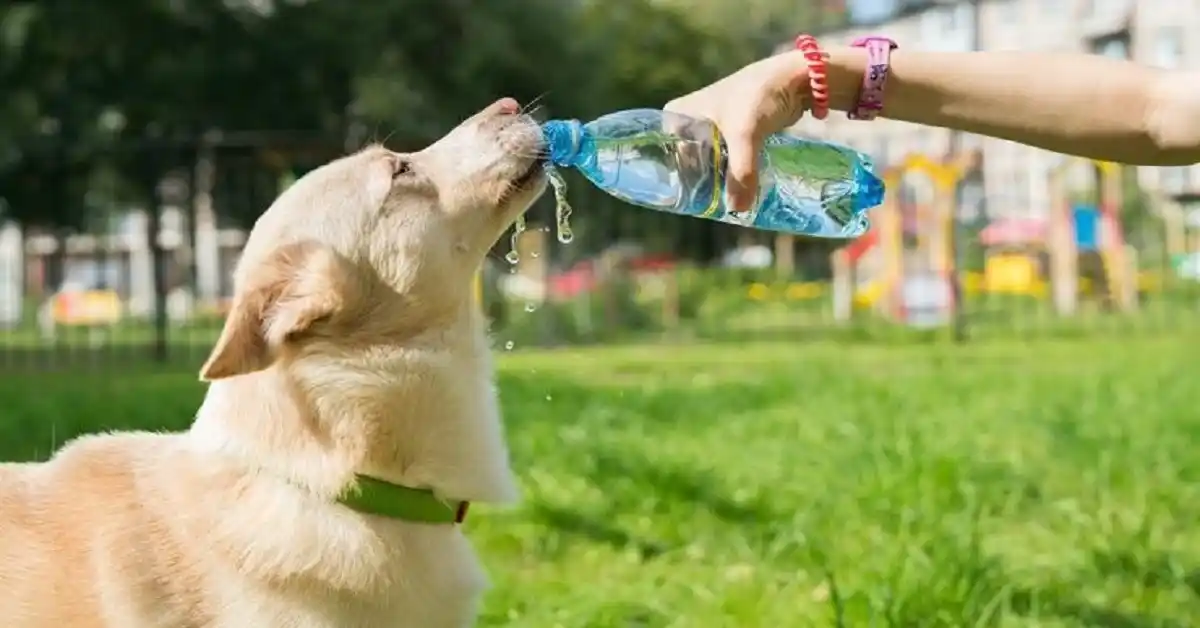
Offer Small Sips: Don’t force them to gulp water, as they might inhale it into their lungs. Small laps of cool water are best.
Get to the Vet: Even if they seem to “perk up,” internal damage can take hours or days to show up. They need a professional check-up.
Key Takeaway
Heatstroke in dogs is a preventable tragedy that requires owners to be proactive rather than reactive. By the time a dog collapses, it is often too late; true care lies in spotting the subtle changes in panting, gum color, and behavior before the situation becomes an emergency.
Reflection: How Well Do You Know Your Dog’s “Normal”?
Take a moment today to really look at your dog while they are resting.
What color are their gums right now?
How many breaths do they take per minute when relaxed?
Where is their favorite “cool spot” in the house?
Knowing these baselines today could save their life on a hot afternoon tomorrow.
Frequently Asked Questions
Conclusion
At the end of that hot Tuesday, Barnaby eventually stood up, walked over to his water bowl, and took a long, slow drink. I felt a wave of relief, but I also felt a new sense of responsibility. Our dogs give us everything—their loyalty, their protection, and their unconditional love. In return, the very least we can do is be their “internal thermostat.”
Watch the weather, watch their gums, and most importantly, watch their spirit. If they seem “off,” trust your gut. It’s always better to cut a walk short or cancel a playdate than to risk the life of the friend who would follow you to the ends of the earth, even if it’s 100 degrees outside.
While staying cool is a major part of summer wellness, keeping up with regular grooming is another way we show our dogs we care about their comfort. If you’re looking for more ways to keep your pup comfortable and relaxed, check out my guide on How to Trim Dog’s Nails Stress-Free.