
Keeping american green tree frogs healthy is easier than many people expect—but only if their natural needs are respected. Many new owners struggle because these frogs are often treated like simple display pets rather than living, breathing amphibians with delicate skin and environmental requirements.
When humidity drops, or the wrong food is used, frogs become stressed, sick, or inactive. That’s frustrating for owners who genuinely want their pets to thrive.
This guide provides a clear, experience-based system for keeping american green tree frogs comfortable, active, and long-lived in captivity.
American green tree frogs are small arboreal amphibians native to the southeastern United States that thrive in humid, plant-filled enclosures, eating live insects and requiring stable temperature, moisture, and clean water to stay healthy in captivity.
Understanding American Green Tree Frogs
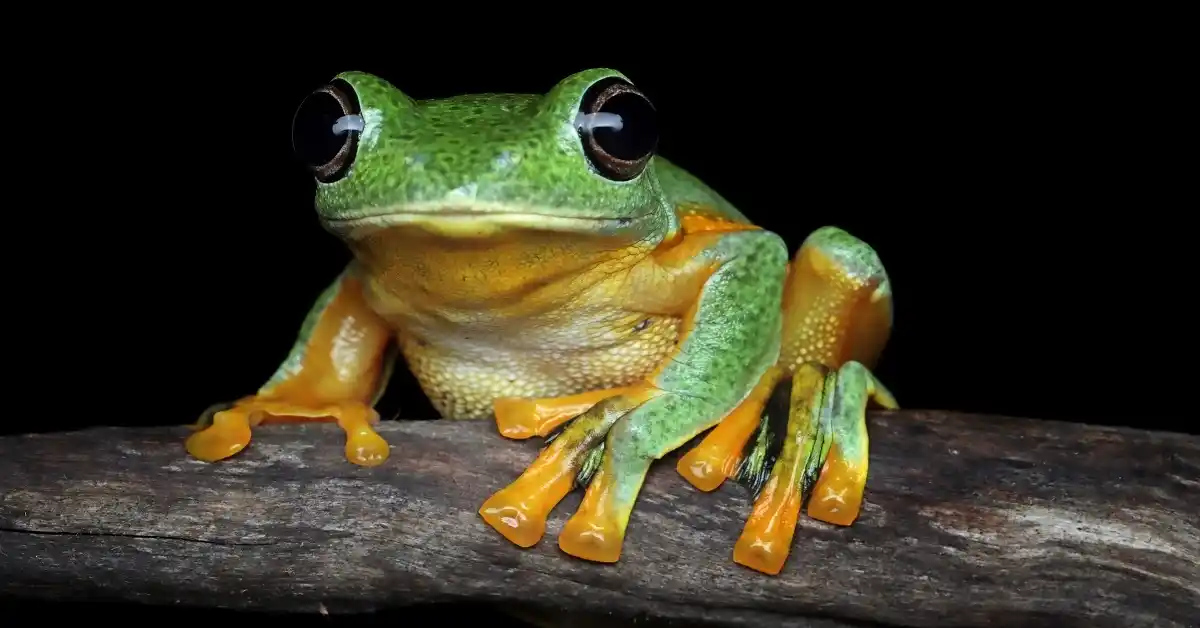
American green tree frogs (Hyla cinerea) are arboreal amphibians known for their bright green color, gentle behavior, and adaptability to captivity.
They naturally live in:
Wetlands
Forests
Marshes
Gardens
They are nocturnal, meaning most activity happens after sunset.
Why They Make Excellent Pets
Calm temperament
Minimal handling needed
Quiet and clean
Beautiful natural color
Key Takeaway:
American green tree frogs are ideal pets for people who enjoy observing nature rather than handling animals.
American Green Tree Frogs Habitat Setup
A proper habitat is the foundation of long-term frog health.
Enclosure Size
One frog: 10 gallons
Two or more frogs: 20+ gallons
Vertical space is more important than floor space
What the Enclosure Must Include
Live or artificial plants
Branches for climbing
Moist substrate (coconut fiber or moss)
A shallow water dish
Secure screen or lid
American green tree frogs need climbing surfaces because they spend most of their time above ground.
Temperature and Humidity Requirements
Maintaining stable climate conditions is critical for american green tree frogs.
Ideal Temperature
Day: 72–80°F
Night: 65–72°F
Humidity
50–70% during the day
80% at night
Use:
Digital hygrometer
Automatic misting system or manual spray
Key Takeaway:
Low humidity causes dehydration and skin problems in american green tree frogs.
Lighting and UVB Needs
Although american green tree frogs are nocturnal, they still benefit from light cycles.
Use:
12-hour day/night schedule
Low-intensity UVB (2–5%)
This supports:
Vitamin D production
Calcium absorption
Healthy metabolism
American Green Tree Frog Diet
American green tree frogs are insectivores.
What They Eat
Crickets
Dubia roaches
Mealworms (occasionally)
Waxworms (treat only)
Food must be:
Alive
Gut-loaded
Dusted with calcium
Feed adults:
Every 2–3 days
Feed juveniles:
Daily
Key Takeaway:
The wrong diet is the #1 cause of illness in american green tree frogs.
Water and Hydration
These frogs do not drink like mammals.
They absorb water through their skin.
Use:
Dechlorinated or spring water
Shallow dish
Daily misting
Never use tap water without treatment.
Handling and Stress Reduction
American green tree frogs have delicate skin that absorbs oils, bacteria, and chemicals.
Avoid handling unless necessary.
Signs of stress:
Staying hidden
Loss of appetite
Color fading
Excessive jumping
Health and Lifespan
With proper care, american green tree frogs live:
6–10 years in captivity
Common issues:
Dehydration
Metabolic bone disease
Fungal infections
Prevent by:
Correct humidity
Clean enclosures
Proper nutrition
When their environment is set up correctly, american green tree frogs are calm, fascinating, and long-lived pets. By focusing on humidity, diet, temperature, and gentle care, you create a habitat that allows your frogs to behave naturally and remain healthy for years.
For even more in-depth pet frog insights, including essential terrarium setup and maintenance tips, check out Pet Frogs Guide 2026: 15 Powerful Facts Every Owner Must Know — a comprehensive resource that complements this care guide.
If you want a rewarding, low-maintenance exotic pet, american green tree frogs are an outstanding choice — and this combined guidance will help you succeed as a responsible owner.