
Keeping pet frogs looks simple, but many new owners unintentionally make critical mistakes.
Improper habitat, diet, or handling often leads to stress, illness, or early death.
This guide explains everything you need to know about pet frogs, helping you care for them responsibly and confidently.
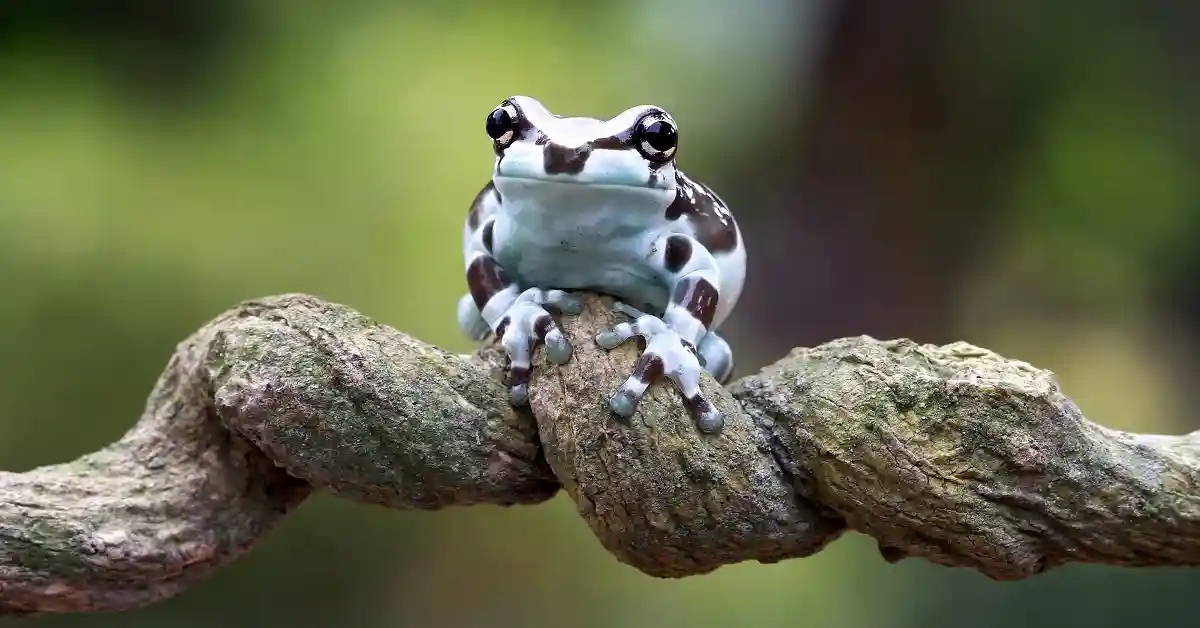
Pet frogs are amphibian pets kept in controlled terrarium environments, requiring proper humidity, temperature, diet, and minimal handling. They are low-noise, visually engaging pets best suited for owners willing to maintain stable habitats and respect their delicate biology.
Why Pet Frogs Are Popular
Pet frogs have become increasingly popular among exotic pet owners for several reasons:
Quiet and low-allergen
Minimal space requirements
Fascinating natural behaviors
Long lifespans compared to other small pets
Key Takeaway: Pet frogs are observation-based pets, ideal for calm households rather than interactive play.
Types of Pet Frogs for Beginners
Not all frogs are suitable as pet frogs, especially for first-time owners.
Best Beginner Pet Frogs
African Dwarf Frog – Fully aquatic, small, and manageable
White’s Tree Frog – Hardy, tolerant of minor mistakes
Pacman Frog – Simple setup, ground-dwelling
Frogs to Avoid Initially
Poison dart frogs (advanced care)
Wild-caught species
Large predatory frogs
Key Takeaway: Always choose captive-bred pet frogs to ensure health and ethical sourcing.
Pet Frogs Habitat Setup
A proper enclosure is the foundation of pet frogs care.
Essential Habitat Components
Glass terrarium with secure lid
Substrate (coconut fiber, moss)
Hiding spots and plants
Shallow water dish or aquatic section
Key Takeaway: Stability matters more than size—sudden changes stress pet frogs.
Temperature, Humidity, and Lighting
They are extremely sensitive to environmental changes.
Temperature: 70–80°F (species dependent)
Humidity: 50–80% using misting systems
Lighting: Low-level UVB recommended
Avoid heat lamps without thermostats.
Key Takeaway: Invest in hygrometers and thermometers for consistent monitoring.
What Do Pet Frogs Eat?
Diet is critical for healthy pet frogs.
Common Foods
Crickets
Fruit flies
Mealworms (occasionally)
Bloodworms (aquatic species)
Supplement with calcium and vitamins weekly.
Key Takeaway: Never feed wild insects; they may carry pesticides or parasites.
Daily and Weekly Pet Frog Care
Daily Tasks
Check temperature and humidity
Observe behavior and appetite
Weekly Tasks
Spot clean waste
Replace dechlorinated water
Light misting and plant care
Key Takeaway: Consistency is more important than interaction.
Handling and Behavior
Unlike mammals, pet frogs should not be handled regularly.
Oils on human skin damage frog skin
Stress weakens immune systems
Observe rather than touch
Key Takeaway: Handling should only occur during essential maintenance.
Health, Lifespan, and Common Problems
Healthy pet frogs can live:
5–10 years (small species)
Up to 20 years (larger species)
Warning Signs
Lethargy
Skin discoloration
Loss of appetite
Immediate veterinary care is essential.
Ethical Considerations
Owning pet frog is a responsibility.
Never release captive frogs into the wild
Avoid impulse purchases
Support conservation-conscious breeders
Key Takeaway: Ethical ownership protects both your pet and wild ecosystems.
Pet frogs are calm, fascinating pets when their environment, diet, and care routines are handled correctly. They are not interactive animals, but they reward responsible owners with long lifespans and natural behaviors that are genuinely captivating. If you are considering keeping exotic pets, it is equally important to understand species compatibility and housing rules—just as explained in this guide on whether reptiles can cohabit safely:
Can Bearded Dragons Live Together?
With proper research, ethical sourcing, and consistent care, pet frogs can thrive and become a meaningful long-term commitment rather than a short-term experiment.