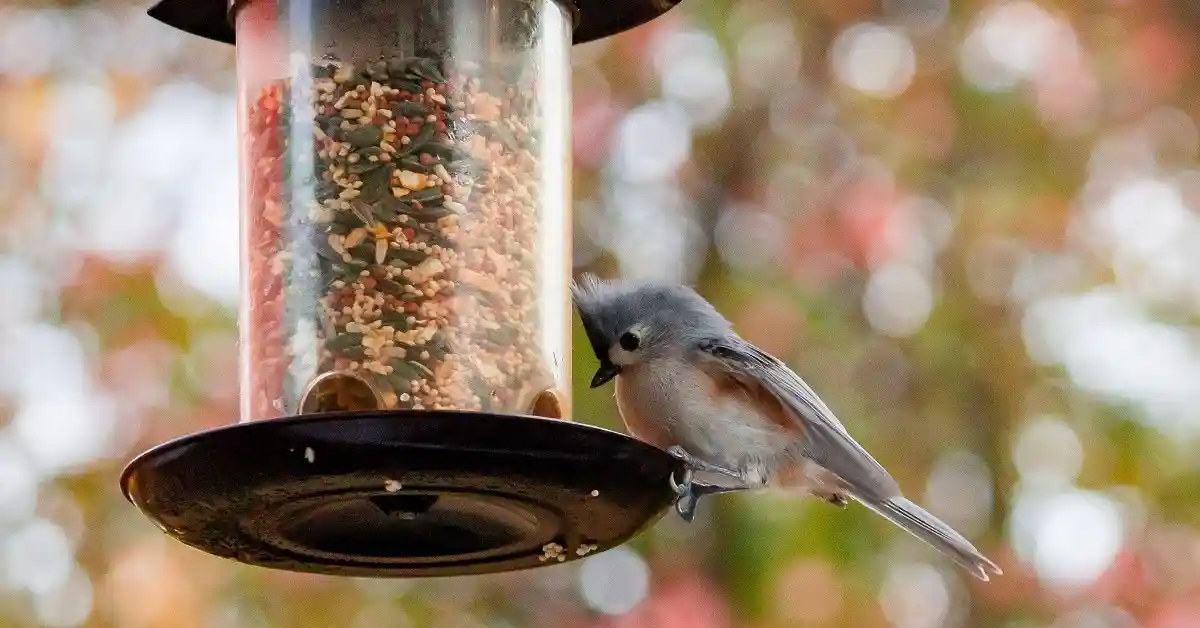

Feeding the birds is one of the simplest ways people try to feel closer to nature—yet it often raises quiet doubts. Are we actually helping, or accidentally harming wildlife? Poor food choices, dirty feeders, and wrong timing can cause more problems than benefits. The good news: with a few informed habits, feeding the birds can be genuinely supportive and rewarding.
What Does “Feeding the Birds” Mean?
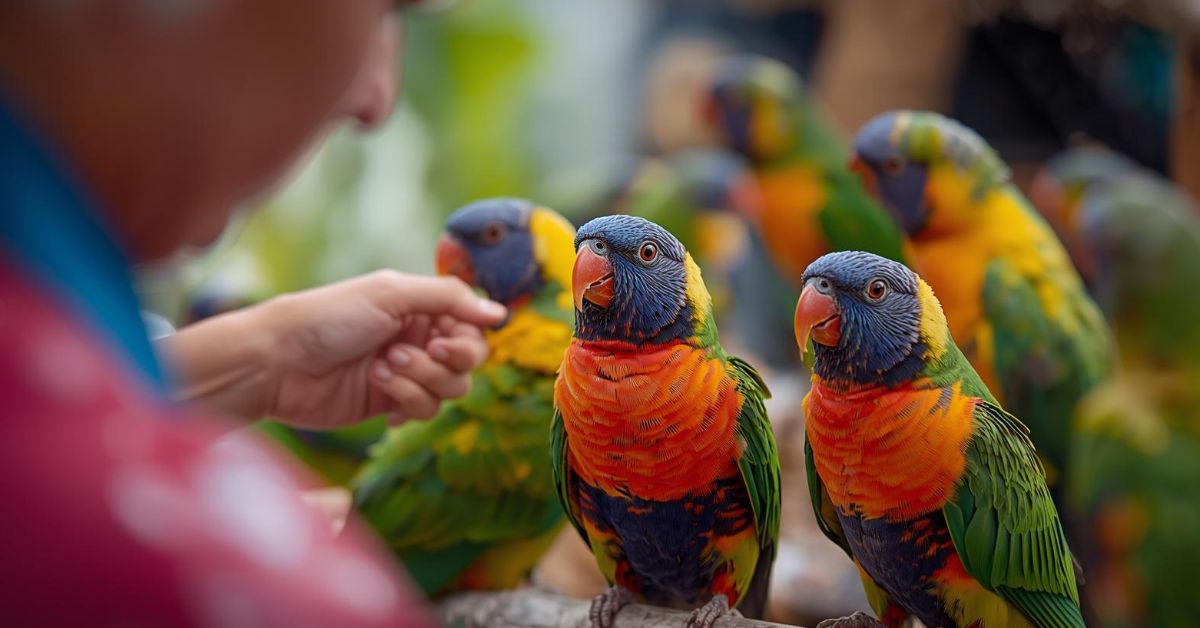
Feeding the birds is the practice of offering safe, appropriate food and water to wild birds in a way that supports their natural behavior, health, and seasonal needs—without replacing their reliance on natural food sources.
Why People Feed the Birds
Feeding the birds is rarely about charity alone. It connects people to their surroundings.
Encourages appreciation of local wildlife
Supports birds during harsh weather
Creates a living backyard ecosystem
Helps people observe nature up close
Key Takeaway: Feeding birds should complement nature, not replace it.
Is Feeding the Birds Good or Bad?
The answer depends on how it’s done.
When Feeding Helps
Extreme cold or drought
Urban areas with limited natural food
Short-term support during migration
When Feeding Hurts
Moldy or spoiled food
Overcrowded feeders spreading disease
Dependency caused by year-round improper feeding
Organizations like the Cornell Lab of Ornithology emphasize moderation and cleanliness as the difference between help and harm.
Key Takeaway: Responsible feeding supports birds; careless feeding risks their health.
Best Foods for Feeding the Birds
Not all foods are equal.
Safe, Beneficial Options
Black oil sunflower seeds
Millet (for ground-feeding birds)
Unsalted peanuts
Suet (especially in winter)
Homemade nectar (sugar + water only)
Foods to Avoid
Bread and baked goods
Salted or flavored snacks
Spoiled grains
Sugary syrups or honey
The Audubon Society strongly discourages bread due to its low nutritional value.
Key Takeaway: Nutrition matters more than quantity.
Seasonal Guide to Feeding the Birds
Winter
High-fat foods like suet
Fresh water (prevent freezing)
Shelter near feeders
Spring
Reduce feeding during nesting
Avoid disturbing nests
Summer
Focus on water sources
Clean feeders more frequently
Fall
Support migrating birds briefly
Gradually taper feeding
Key Takeaway: Seasonal awareness prevents dependency and disease.
Clean Feeders – Healthy Birds
Dirty feeders spread illness quickly.
Cleaning Best Practices:
Empty old food weekly
Wash with hot water and mild soap
Disinfect monthly with diluted vinegar
Dry completely before refilling
The Centers for Disease Control and Prevention notes that hygiene reduces wildlife disease transmission in shared feeding areas.
Key Takeaway: Clean feeders protect entire bird populations.
How Often Should You Feed the Birds?
Consistency matters—but moderation matters more.
Small, refillable amounts
Avoid unlimited food supply
Observe consumption patterns
Birds naturally forage across wide areas. Feeding should never eliminate that behavior.
Common Myths About Feeding the Birds
Myth: Birds will starve if you stop feeding.
Reality: Healthy birds adapt quickly and rely on natural food sources.
Myth: Feeding birds makes them lazy.
Reality: Birds remain highly active even with supplemental feeding.
Key Takeaway: Balanced feeding supports resilience, not dependency.
Creating a Bird-Friendly Yard Beyond Feeders
Feeding the birds works best when combined with habitat support.
Native plants
Shrubs for shelter
Shallow water dishes
Reduced pesticide use
According to World Wildlife Fund, habitat preservation has a greater long-term impact than food alone.
Feeding the birds is most effective when it’s done with intention, balance, and respect for nature. Safe food choices, clean feeders, and seasonal awareness can genuinely support local bird populations without creating dependency. Especially during colder months, birds face extra challenges, and thoughtful care makes a real difference. If you want to go a step further, this guide on how to keep pet birds warm in winter offers practical, experience-based insights that align well with responsible bird care. When feeding the birds becomes part of a broader, informed habit, it benefits both wildlife and the people who enjoy their presence.