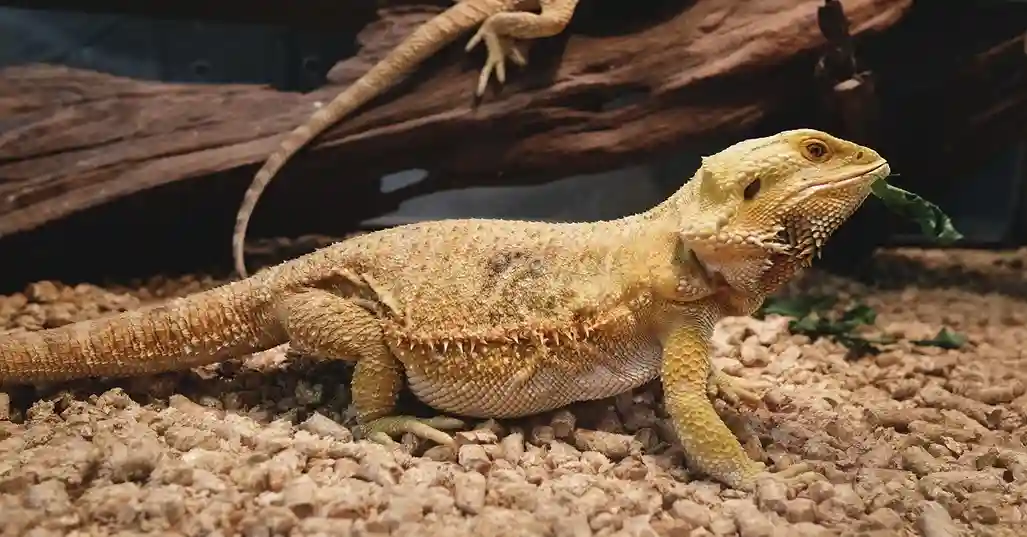

Bearded dragon care is often misunderstood, leading many owners to unintentionally harm otherwise hardy reptiles. Poor lighting, incorrect temperatures, and unbalanced diets can quickly cause stress and illness. The solution is simple: follow proven, expert-backed bearded dragon care principles that support long-term health and natural behavior.
What Is Bearded Dragon Care?
Bearded dragon care involves providing proper habitat, UVB lighting, correct temperatures, balanced nutrition, hydration, and routine health monitoring to ensure a bearded dragon remains healthy, active, and stress-free throughout its lifespan.
Bearded Dragon Care Fundamentals Every Owner Must Know
1. Choose the Right Enclosure Size
A full-grown bearded dragon requires at least a 120-gallon enclosure. Larger enclosures reduce stress and allow natural movement patterns.
Key Takeaway: Bigger enclosures directly improve bearded dragon health and behavior.
2. Create a Proper Temperature Gradient
Bearded dragon care depends on precise temperature control:
Basking area: 100–110°F
Cool zone: 75–85°F
This gradient enables proper digestion and thermoregulation.
3. Use High-Quality UVB Lighting
UVB lighting is non-negotiable. Without it, bearded dragons cannot metabolize calcium.
Use T5 HO UVB bulbs
Replace every 6–12 months
4. Maintain Safe Humidity Levels
Ideal humidity is 30–40%. Excess moisture increases respiratory infection risk.
5. Select a Safe Substrate
Avoid loose sand for juveniles. Safer options include:
Reptile carpet
Paper towels
Textured tiles
6. Feed an Age-Appropriate Diet
Juveniles: 70% insects, 30% greens
Adults: 80% greens, 20% insects
7. Offer Nutritious Greens Daily
Staple greens include:
Collard greens
Mustard greens
Dandelion leaves
Avoid iceberg lettuce entirely.
8. Supplement Calcium and Vitamins
Dust feeder insects with:
Calcium (5x/week)
Multivitamin (1–2x/week)
9. Provide Fresh Water
Even desert reptiles require hydration. Offer water bowls and mist greens lightly.
Habitat Enrichment and Handling
10. Add Climbing and Basking Structures
Branches and rocks support exercise and mental stimulation.
11. Establish a Consistent Day–Night Cycle
Provide 12–14 hours of light daily to support circadian rhythm.
12. Handle Gently and Regularly
Short, calm handling sessions build trust and reduce stress.
Health Monitoring and Hygiene
13. Watch for Common Health Issues
Warning signs include:
Lethargy
Swollen limbs
Appetite loss
Consult a reptile veterinarian immediately.
14. Clean the Enclosure Weekly
Remove waste daily and disinfect weekly to prevent bacterial growth.
15. Schedule Annual Vet Checkups
Preventive care is a cornerstone of responsible bearded dragon care.
Conclusion
Bearded dragon care is not complicated, but it does require consistency and attention to detail. By following these 15 essential tips, you can provide a safe, enriching environment that supports long-term health and happiness. Invest in proper care today, and your bearded dragon will thrive for years to come.