
Hamsters are popular pets for both children and adults due to their compact size and minimal care needs. They also look adorable when stuffing their cheeks with food. But can hamsters eat fruit? Sharing fruit with your hamster can be beneficial, but it’s important to know that not all fruits are safe for hamsters.
Discover which fruits are safe for hamsters, how to prepare them, and which ones to avoid.
Safe Fruits for Hamsters
Hamsters can safely consume a variety of fruits in small amounts. Here are some fruits that are safe for them:
- Apple, cored and peeled
- Apricot, pit removed
- Banana, peeled
- Blueberry
- Blackberry
- Coconut, unsweetened
- Cranberry
- Cantaloupe, rind removed
- Cherry, pit removed
- Date
- Elderberry
- Guava
- Lychee
- Papaya
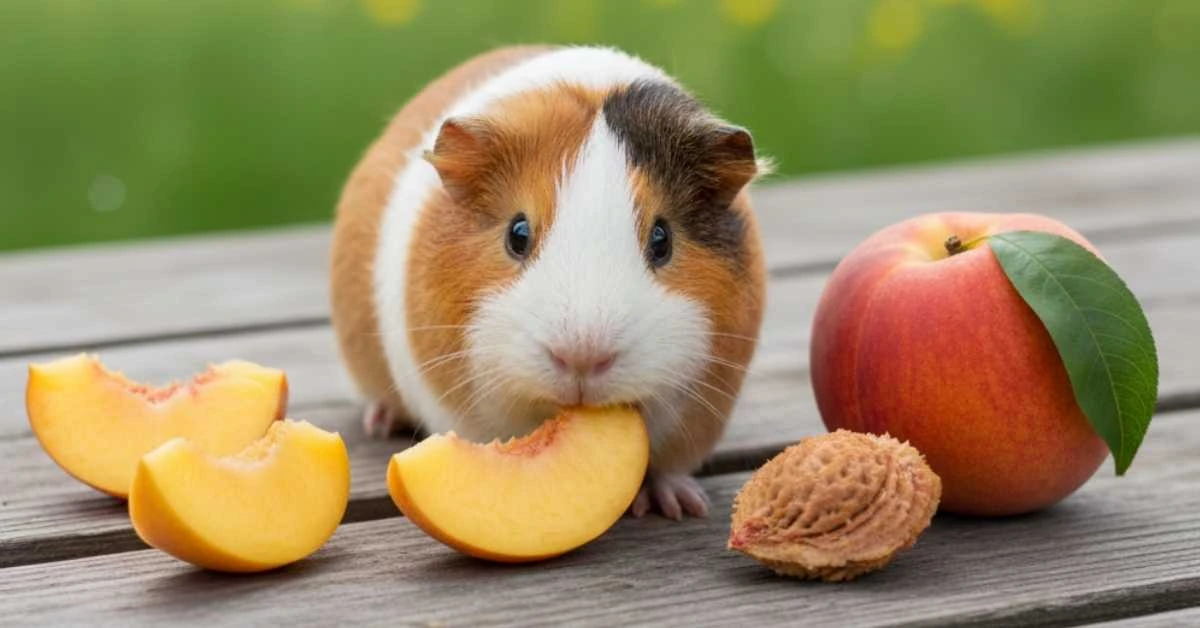
- Peach, pit removed
- Pear
- Plum, pit removed
- Pomegranate, peeled
- Raspberry
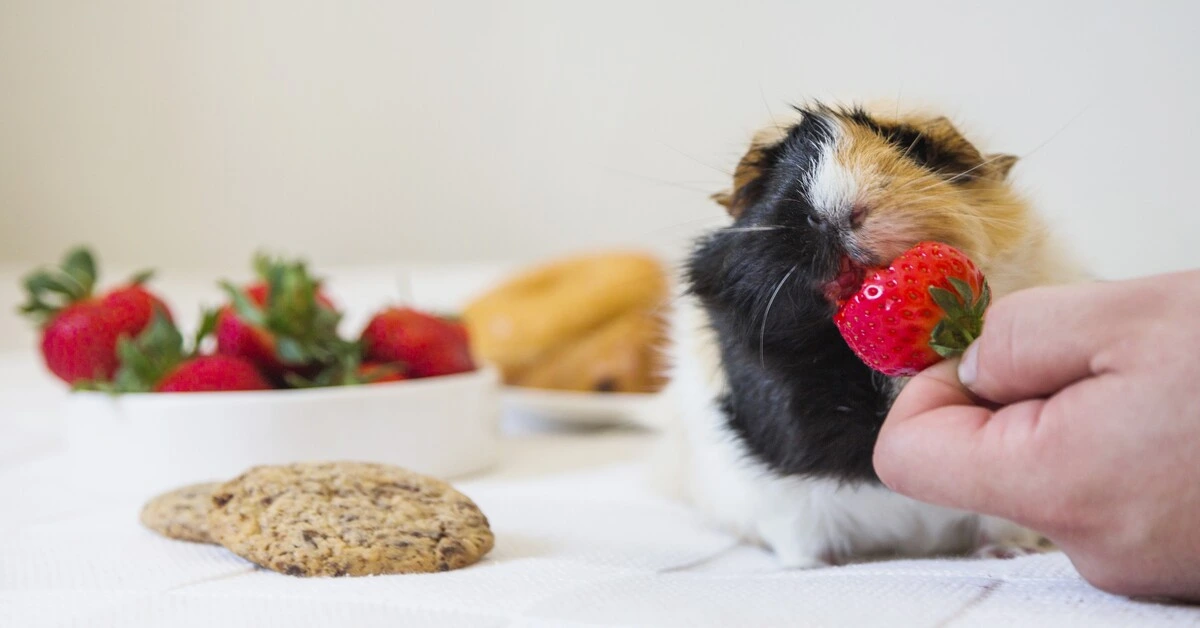
- Strawberry
- Watermelon, rind removed
Unsafe Fruits for Hamsters
Despite many safe options, some fruits should be avoided as they can harm your hamster. These include:
- Citrus: Citrus fruits are too acidic for hamster stomachs and can cause gastrointestinal issues.
- Dragon fruit: The large number of tiny seeds in dragon fruit are a choking hazard for hamsters.
- Dried fruit: All fruit naturally has sugar, but dried fruits are a concentrated form of sugar. Too much sugar can cause your hamster to develop diabetes as well as have gastrointestinal issues.
- Mango: Mangoes are high in sugar,1 so it’s best to offer other types of fruit to your hamster before a piece of mango.
- Grape: Next to mangoes, grapes have the highest amount of natural sugar, so they should only be offered on a rare occasion and in very small amounts. It is best to avoid them entirely.
How Much Fruit Should a Hamster Eat?
As omnivores, hamsters require a balanced diet of proteins, vegetables, and fruits. It’s crucial to consider both the quantity and the content of their diet. Generally, a hamster’s daily intake should consist of 75% protein from fortified pellets, 5% treats, and 20% vegetables, greens, and fruits.
Each day, hamsters should be given a few tablespoons of pellets or 1/8 cup of seed mix to ensure they consume a balanced diet and don’t selectively eat. Include small bits of leafy greens and vegetables for variety. A few times a week, add tiny pieces of fruit to their meal. If a fruit piece is too large for a hamster to easily pick up, it is likely too much for them in one serving.
How to Introduce Fruit to Your Hamster’s Diet
When introducing fruit, offer only one type at a time to monitor for gastrointestinal issues like diarrhea. Ensure the fruit is safe before trying another kind. If your hamster doesn’t finish the fruit, remove any leftovers after 12 hours to prevent mold.
Although hamster pellets should form the core of your pet’s diet, integrating small amounts of fresh produce can add variety and nutrition. Stick to safe fruits and offer small amounts. Your hamster can enjoy a special treat two or three times a week, and you can feel confident about providing a balanced diet.