
Winter Dog Care Tips That Every Owner Should Know
Winter dog care tips are essential because cold weather introduces risks that many owners underestimate. Low temperatures, icy surfaces, and dry indoor air can quietly affect your dog’s health and safety. Without proper preparation, even routine winter days can become uncomfortable—or dangerous—for dogs.
The good news is that winter doesn’t have to be stressful. With a few proven adjustments, you can protect your dog, maintain their comfort, and support their overall well-being throughout the cold months.
Ignoring winter dog safety precautions during winter increases health risks, discomfort, and emergency vet visits.
Winter dog care tips are practical steps that help protect dogs from cold-related risks such as hypothermia, frostbite, dry skin, and paw injuries. Proper winter care includes warmth management, safe outdoor routines, nutrition adjustments, and environmental awareness to keep dogs healthy and safe.
1. Understand Your Dog’s Cold Tolerance
Not all dogs handle winter the same way. Size, breed, age, and health conditions play a major role in cold sensitivity.
Small breeds, short-haired dogs, puppies, and senior dogs lose body heat faster. Even healthy adult dogs may struggle during prolonged exposure.
Key Takeaway:
If you feel cold outdoors, your dog likely does too—especially during long winter walks.
2. Limit Outdoor Exposure During Extreme Cold
One of the most overlooked winter dog care tips is knowing when to stay indoors. Prolonged exposure can lead to hypothermia and frostbite, particularly on ears, tails, and paws.
Shorten walks when temperatures drop significantly and avoid early mornings or late nights when cold is most intense.
Key Takeaway:
Short, frequent outings are safer than long winter walks in freezing conditions.
3. Protect Paws From Ice, Salt, and Chemicals
Winter sidewalks often contain salt and chemical deicers that can burn paw pads and cause irritation.
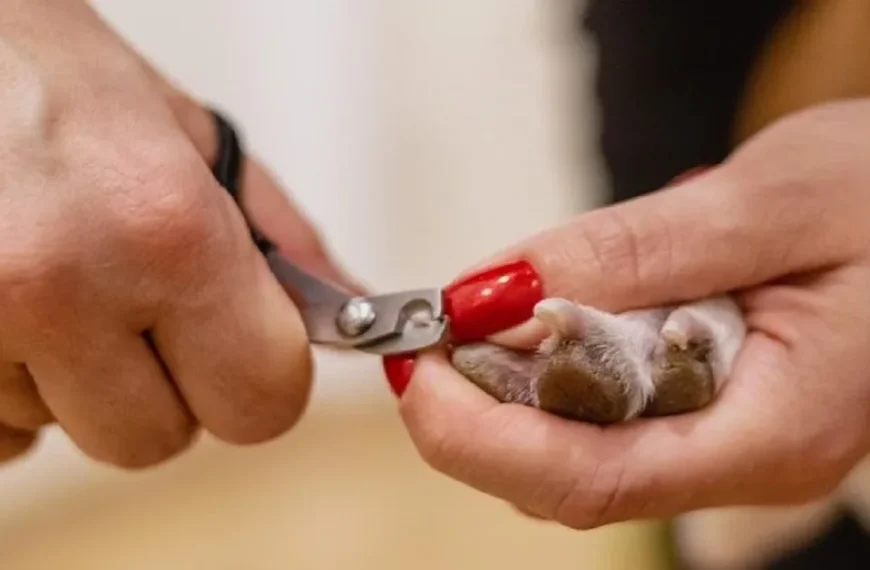
Rinse and dry your dog’s paws after every walk. Dog booties provide excellent protection for sensitive paws and prevent cracking.
Key Takeaway:
Clean paws after walks to prevent chemical burns and accidental ingestion.
4. Keep Your Dog Warm With Proper Clothing
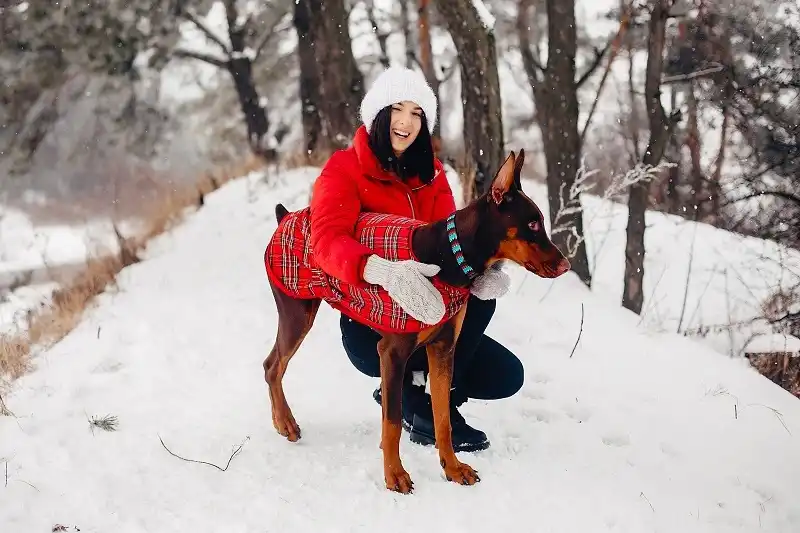
Dog coats and sweaters are not fashion accessories—they serve a functional purpose in winter dog care.
Short-haired breeds benefit the most, but even larger dogs may need added insulation during extended outdoor time.
Key Takeaway:
Well-fitted winter clothing helps maintain body temperature without restricting movement.
5. Adjust Indoor Comfort and Sleeping Areas
Cold floors and drafts can make resting uncomfortable. Ensure your dog has a warm, elevated sleeping area away from doors and windows.
Soft bedding retains heat and reduces joint stiffness, especially for older dogs.
Key Takeaway:
Warm indoor environments are just as important as outdoor winter protection.
6. Maintain Proper Hydration in Winter
Dogs can become dehydrated during winter due to dry indoor air and reduced water intake.
Ensure fresh water is always available and check outdoor bowls frequently to prevent freezing.
Key Takeaway:
Hydration supports circulation and temperature regulation during cold weather.
7. Adjust Nutrition for Cold Weather Needs
Some dogs burn more calories in winter to maintain body heat, while others become less active.
Monitor weight and adjust portions gradually. High-quality protein supports muscle health and energy levels.
Key Takeaway:
Nutrition should align with your dog’s winter activity level and energy needs.
8. Groom Strategically—Not Excessively
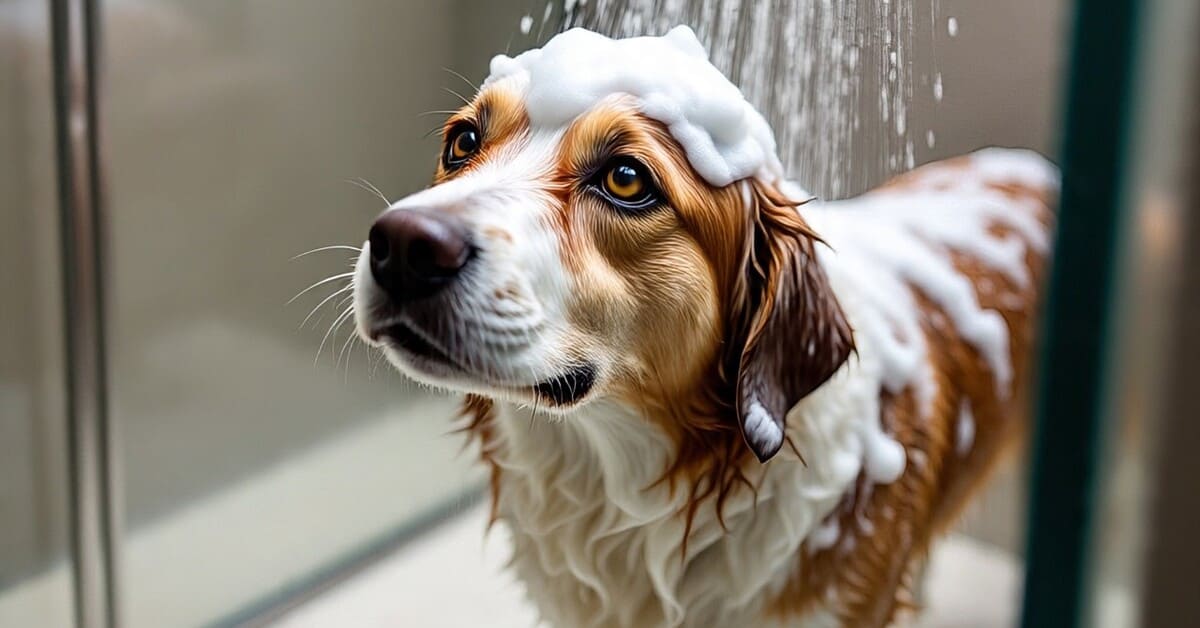
Winter grooming requires balance. Overbathing strips natural oils, leading to dry skin and irritation.
Regular brushing improves circulation and removes dead fur while preserving insulation.
Key Takeaway:
Healthy coats provide natural warmth when properly maintained.
9. Watch for Winter-Specific Health Risks
Antifreeze is extremely toxic to dogs, even in small amounts. Store it securely and clean spills immediately.
Be alert for signs of frostbite or hypothermia, such as shivering, lethargy, or pale skin.
Key Takeaway:
Environmental awareness is a critical part of winter dog care tips.
10. Provide Mental and Physical Stimulation Indoors
Limited outdoor activity can lead to boredom and behavioral issues.
Use indoor games, puzzle toys, and short training sessions to keep your dog mentally engaged.
Key Takeaway:
Mental exercise is just as important as physical activity during winter.
Conclusion
Winter dog care tips are not about overprotection—they are about thoughtful prevention. By adjusting routines, monitoring health, and responding to environmental risks, you can keep your dog safe, warm, and comfortable all winter long.
Consistent winter care supports long-term health and ensures your dog remains active, happy, and protected during the coldest months.
For best results with indoor cleaning after winter walks, check out this comprehensive guide on how to get dog pee out of your carpet for pet stain and odor removal.