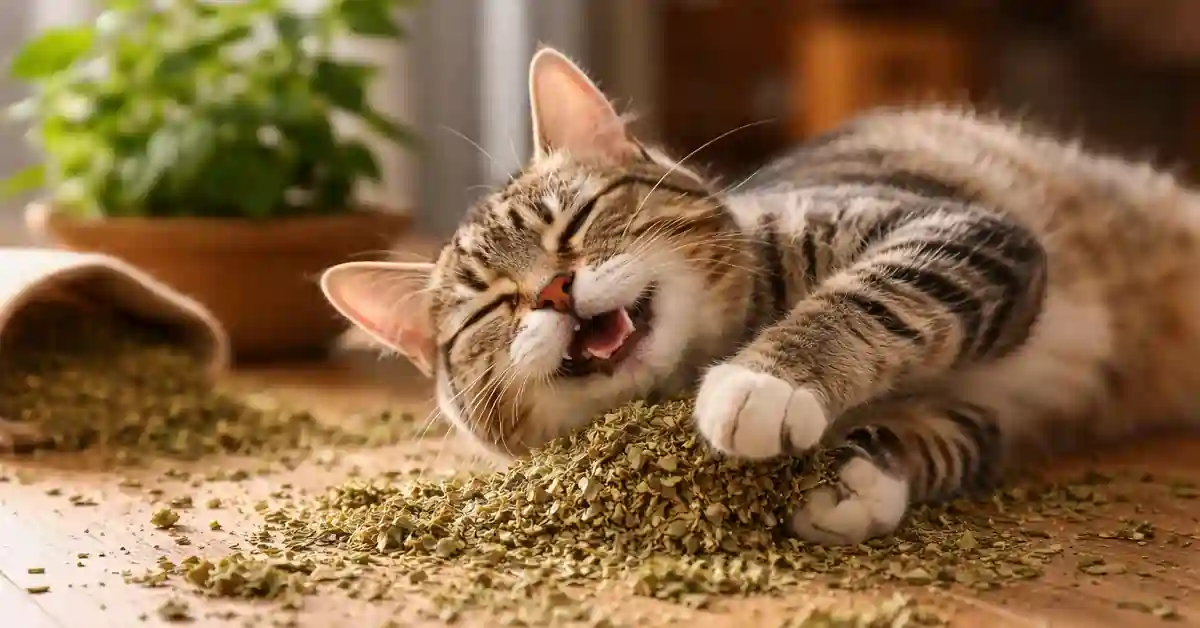

Why do cats like catnip so intensely that they roll, drool, and appear euphoric?
For many cat owners, this reaction feels mysterious and even amusing.
The answer lies in biology, genetics, and feline sensory science—and once you understand it, cat behavior starts to make perfect sense, catnip for cats.
What Is Catnip and Why Does It Affect Cats?
Catnip is a natural herb from the mint family containing a volatile oil called nepetalactone.
When cats smell it, the compound interacts with specialized receptors in their noses, sending signals directly to the brain’s pleasure centers.
Catnip affects cats does not intoxicate cat —it stimulates their neurological reward system.
How Catnip Works in a Cat’s Brain
The Science Behind the Reaction
When a cat inhales catnip:
Nepetalactone binds to olfactory receptors
Signals reach the amygdala and hypothalamus
These areas regulate emotion and behavior
The result is a pheromone-like response, not a drug effect.
Typical behaviors include:
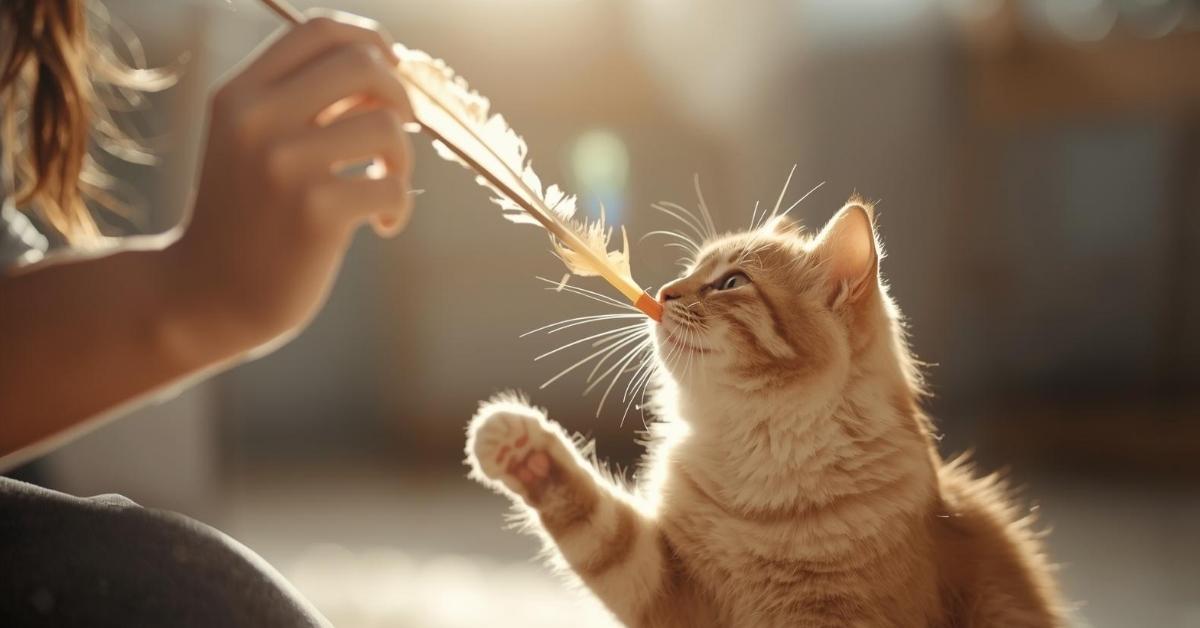
Rolling and rubbing
Vocalizing
Zooming or hyperactivity
Sudden calmness afterward
Why Do Cats Like Catnip but Dogs Don’t?
Cats possess unique scent receptors that dogs lack.
These receptors evolved to detect natural pheromones related to mating and territory, which explains why catnip mimics instinctual feline signals.
Dogs simply do not process nepetalactone the same way.
Why Do Some Cats Not React to Catnip?
Approximately 30–40% of cats are genetically immune to catnip.
Factors include:
Genetics (reaction is inherited)
Age (kittens under 3 months rarely respond)
If your cat ignores catnip, it is normal and permanent.
Is Catnip Safe for Cats?
Yes. Catnip is completely safe when used appropriately.
Veterinarians confirm:
Non-addictive
Non-toxic
Self-limiting (cats stop when overstimulated)
However, excessive ingestion may cause mild stomach upset.
Best Practice:
Use catnip 1–2 times per week for enrichment.
Why Do Cats Like Catnip and Then Suddenly Ignore It?
Cats experience temporary tolerance.
After exposure:
Receptors become desensitized
Effects wear off within 10–15 minutes
Sensitivity returns after 1–2 hours
This is a natural neurological reset.
Benefits of Catnip for Indoor Cats
Catnip is more than entertainment—it is enrichment.
Benefits include:
Stress reduction
Exercise stimulation
Mental engagement
Training reinforcement
Used correctly, catnip improves feline well-being.
Naturally stimulates their brains in a way that mimics feline pheromones—creating joy, excitement, and enrichment.
When used responsibly, catnip is one of the safest and most effective tools for improving your cat’s quality of life.
Try catnip mindfully and observe your cat’s unique response—it is a window into feline biology.
More Info on Cat Health: Lily Toxicity Explained