
Tail loss in geckos often shocks first-time owners. One moment your gecko looks normal—then suddenly its tail is gone, twitching on the enclosure floor. Panic sets in fast.
This reaction is understandable, but not all tail loss is an emergency. Tail loss in geckos is a natural survival mechanism, and understanding it can prevent stress, injury, and long-term health issues.
This complete guide explains why it happens, when it’s dangerous, and how to care for your gecko afterward.
Tail loss in geckos is a natural defense mechanism called autotomy, where the gecko drops its tail to escape danger. While often not fatal, tail loss can affect fat storage, balance, and health, requiring proper aftercare and stress prevention.
What Is Tail Loss in Geckos?
Tail loss in geckos occurs through autotomy, a biological defense mechanism allowing the tail to detach when the gecko feels threatened.
The detached tail continues to move, distracting predators while the gecko escapes.
Tail loss is intentional, not accidental—it’s hardwired survival behavior.
Why Do Geckos Lose Their Tails?
1. Predator Defense
In the wild, birds, snakes, and mammals often target geckos. Dropping the tail increases survival odds instantly.
2. Handling Stress
Rough or improper handling is a leading cause of tail loss in pet geckos.
3. Environmental Stress
Sudden noises, vibrations, overcrowding, or improper enclosure setup can trigger tail autotomy.
4. Aggression From Other Geckos
Housing incompatible geckos together often results in tail loss from fighting or dominance stress.
Stress—not danger alone—is the most common cause of tail loss in captivity.
Which Gecko Species Lose Their Tails Most Often?
Leopard Geckos
Very prone to tail loss
Tails store fat and nutrients
Regrowth is common but slower
Crested Geckos
Can drop tails
Tails never grow back
Known as “frog butts” after loss
Tokay Geckos
Highly defensive
Tail loss often linked to handling
Different species handle tail loss very differently.
Is Tail Loss Dangerous for Geckos?
Tail loss in geckos is not usually fatal, but it does carry risks.
Potential risks:
Loss of fat reserves
Increased stress
Infection if wound isn’t clean
Reduced climbing balance
Permanent tail loss in some species
Tail loss isn’t an emergency—but it is a health event.
Does a Gecko’s Tail Grow Back?
Yes, for some species
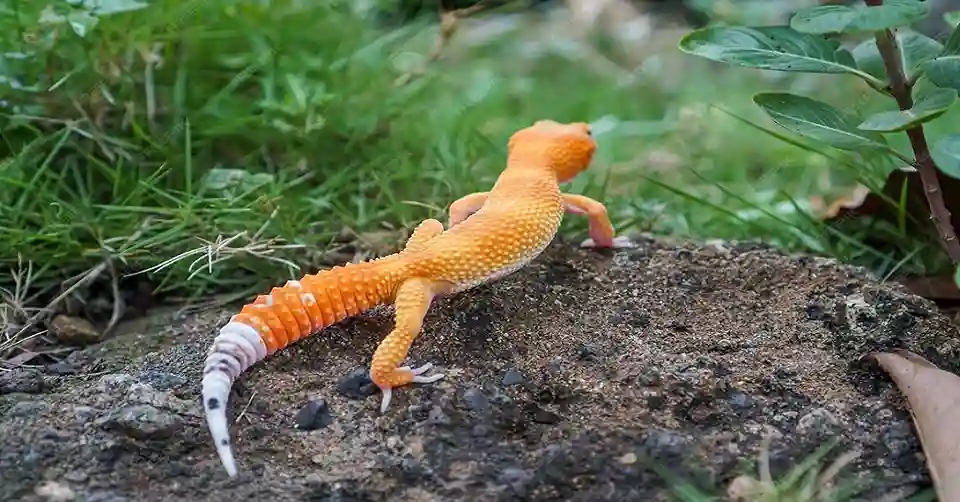
Leopard geckos: Regrow a shorter, thicker tail
Regrowth can take months
No, for others
Crested geckos: Tail loss is permanent
Regrown tails lack bones and often appear blunt or rubbery.
What To Do Immediately After Tail Loss
Step-by-step care:
Remove loose substrate
Clean enclosure thoroughly
Keep the wound dry and clean
Avoid handling for several days
Monitor for swelling or discharge
Do not apply human antiseptics unless advised by a reptile vet.
How Tail Loss Affects Gecko Health Long-Term
Tail loss in geckos can impact:
Fat storage and energy levels
Calcium reserves
Growth in juveniles
Stress sensitivity
Extra nutritional support may be needed during recovery.
Preventing Tail Loss in Pet Geckos
Proper Handling
Never grab the tail
Support the body fully
Let geckos walk onto your hand
Enclosure Optimization
Correct temperature gradient
Proper humidity
Hiding spots
Minimal vibration
Housing Rules
Avoid cohabitation unless species-appropriate
Separate aggressive individuals
When to See a Reptile Vet
Seek veterinary care if:
Bleeding doesn’t stop
Wound looks infected
Gecko stops eating
Swelling or discoloration occurs
Professional evaluation ensures safe healing.
Tail loss in geckos is a natural survival response—but in captivity, it often signals stress or handling issues. While not usually life-threatening, tail loss affects health, nutrition, and long-term care.
By understanding causes, improving habitat conditions, and handling geckos properly, you can greatly reduce the risk and keep your pet healthy and secure.
If you suspect complications, always consult a reptile veterinarian.
FAQ
Why did my gecko lose its tail suddenly?
Is tail loss painful for geckos?
Will tail loss shorten my gecko’s lifespan?
Can I hold my gecko after tail loss?
Why do crested geckos not regrow tails?
Related posts:
No related posts.