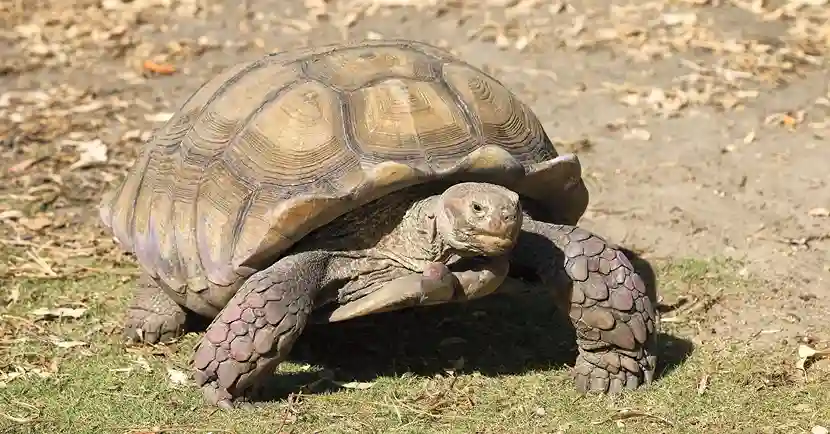

The Russian tortoise is often described as a “beginner-friendly” tortoise, but that description can be misleading. While this species is hardy and adaptable, it still depends on very specific environmental conditions to stay healthy over the long term. When those needs are misunderstood or overlooked, problems can quietly develop over time.
Native to the dry regions of Central Asia, Russian tortoises are built for a life of digging, grazing, and navigating seasonal extremes. Their small size and calm nature make them appealing, but they are not low-maintenance pets. They require thoughtful setup, consistent care, and a long-term commitment that can last decades.
This guide explains Russian tortoise care in a clear, practical way—focusing on diet, habitat, behavior, lifespan, and daily needs. The goal is not to overwhelm, but to help you understand what this species truly needs to thrive.
The Russian tortoise (Testudo horsfieldii) comes from regions where summers are hot and dry, winters are cold, and vegetation is sparse but fibrous. Over time, the species has adapted to survive in challenging conditions by conserving energy and relying on a high-fiber plant diet.
Russian tortoises care guide Physically, are compact and sturdy. Their shells are rounded rather than elongated, and their strong limbs are designed for digging. In the wild, they spend much of their time underground, emerging to feed and bask when conditions are right.
These natural behaviors do not disappear in captivity. Successful care begins with respecting where the species comes from and how it lives in nature.
Size, Growth, and Lifespan
Russian tortoises remain relatively small compared to many other tortoise species.
Most adults reach:
6 to 10 inches in length
Females are usually slightly larger than males
What they lack in size, they make up for in longevity. With proper care, a Russian tortoise can live 40 to 50 years, and sometimes longer. This makes ownership a long-term responsibility rather than a casual decision.
Many tortoises outlive their original owners. Planning ahead is an important part of responsible care.
Diet: What Russian Tortoises Should Eat
A Natural Grazing Diet
Russian tortoises are strict herbivores. Their digestive systems are designed for high-fiber, low-protein plants, similar to the grasses and weeds found in their native habitat.
A healthy diet should focus on leafy greens rather than vegetables or fruit.
Daily staple foods include:
Dandelion greens
Collard greens
Mustard greens
Turnip greens
Endive
Escarole
These greens provide fiber, calcium, and essential nutrients without excess sugar.
Foods to Limit or Avoid
Some foods are commonly offered but are not suitable for regular feeding.
Avoid or strictly limit:
Fruit (too much sugar)
Iceberg lettuce (low nutritional value)
Animal protein of any kind
Bread, grains, or processed foods
Feeding too much sugar or protein can lead to shell deformities, digestive problems, and long-term health issues.
Calcium and Hydration
Calcium is essential for shell and bone health. A cuttlebone should always be available in the enclosure, allowing the tortoise to regulate its own intake.
Fresh water should be offered daily in a shallow dish. While Russian tortoises come from dry regions, they still need regular access to water for hydration and occasional soaking.
Habitat: Creating the Right Environment
Space Matters More Than Appearance
Russian tortoise indoor habitat and need floor space, not vertical height. Glass aquariums often cause stress and poor airflow.
A better option is an open-top tortoise table.
Minimum recommended size for one adult:
4 feet by 2 feet
Larger enclosures allow for better temperature gradients and more natural movement.
Substrate and Digging
Digging is a natural and necessary behavior for Russian tortoises. The substrate should allow this.
Good options include:
Coconut coir
Organic topsoil
Soil-sand mixes
The substrate should be deep enough for partial burrowing. Hard or shallow surfaces can lead to stress and unnatural behavior.
Temperature and Lighting
Heat Requirements
Russian tortoises regulate their body temperature by moving between warm and cool areas.
A proper enclosure includes:
Basking area: 95–100°F
Warm zone: around 85°F
Cool zone: 70–75°F
This gradient allows the tortoise to self-regulate throughout the day.
The Importance of UVB Light
UVB lighting is not optional. Without it, Russian tortoises cannot properly absorb calcium, which leads to metabolic bone disease.
UVB guidelines:
Use a reptile-specific UVB bulb
Replace bulbs every 6–12 months
Provide 10–12 hours of light daily
Natural sunlight (when safely provided outdoors) is even better.
Outdoor Housing Benefits
When climate permits, outdoor enclosures are ideal.
Benefits include:
Natural sunlight
Increased activity
Improved appetite
Stronger shell development
Outdoor enclosures must be secure. Russian tortoises dig well and are vulnerable to predators, so fencing and supervision are essential.
Behavior and Daily Life
Russian tortoises are calm, observant animals. They are not interactive in the way mammals are, but they display consistent routines and preferences.
Typical behavior includes:
Active mornings and late afternoons
Rest during the hottest part of the day
Seasonal slowdowns that resemble hibernation behavior
Handling should be minimal. Frequent handling causes stress and offers no benefit to the tortoise.
Health and Common Issues
Signs of a Healthy Russian Tortoise
Clear, alert eyes
Smooth, firm shell
Steady appetite
Regular movement
Common Health Problems
Metabolic bone disease (from poor UVB or calcium)
Respiratory infections (from cold or damp conditions)
Shell deformities (from improper diet)
Most health problems are preventable with correct care and observation.
Is a Russian Tortoise Right for You?
Is a Russian tortoise a good pet or A Russian tortoise can be a rewarding companion for the right person.
Good fit if you:
Can provide space and proper lighting
Enjoy observing rather than handling
Are committed for decades
Not ideal if you:
Want a pet that enjoys interaction
Cannot provide UVB lighting
Prefer short-term or low-commitment pets
The Russian tortoise is a resilient, long-lived reptile that thrives when its natural lifestyle is respected. Proper diet, adequate space, correct lighting, and patience form the foundation of responsible care.
This species does not demand constant attention, but it does require consistency and understanding. For those willing to meet those needs, the Russian tortoise offers a quiet, steady connection to the rhythms of the natural world.