
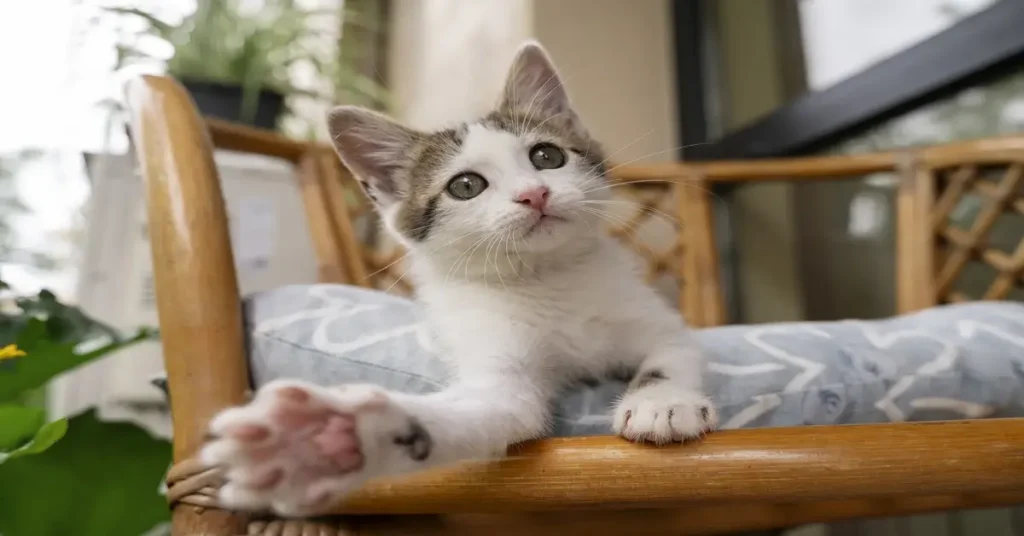
Cats are like humans, fear, pleasure, hunger, anxiety, and frustration among other emotions can influence their behavior. There are a number of typical kitty behaviors that are perceived to be unwanted and can influence the quality of life of both the owners and their pets. Luckily, most of these habits are able to be rectified.
What Are the Behavior Problems of Cats?
Cats are shrouded in mystery and thus it is not easy to find out why some cats behave the way they do. To make matters worse, one cannot always point to one particular cause of a certain behavior and each cat has its unique personality.
Vocalization
At last you fall asleep, when you hear your cat howling and crying at the top of its lungs outside your bedroom door. This is something that cats do regularly and this habit can be perfectly normal in regards to your kitty. Meanwhile, cats are nocturnal, as well as their wild counterparts, and thus they can be more active during the night when you are trying to have a sleep, however, this can also be an indicator that something is amiss.1
Howling may be because of senility in old cats.
Certain breeds such as the Siamese are more vocal by nature and will just wake you up by mewing to get your attention during the night.
It is possible that your cat is bored at night.
The daytime meows and howls might be an indication of pain. Crying cats that urinate or defecate in the litter box are normally having discomfort or pain by attempting to urinate or defecate. Other apparent evidence of pain like catfights or a pinched tail inside a house is also the cause of these sounds.
Howling or crying during the day may just be attention seeking behaviour.
Scratching
As a way of marking their territory, cats scratch. When your cat is scratching objects on which you do not want it to scratch, it is possible to redirect the behavior by offering it scratching posts and any other objects the cat will be interested in digging his nails.
Chewing
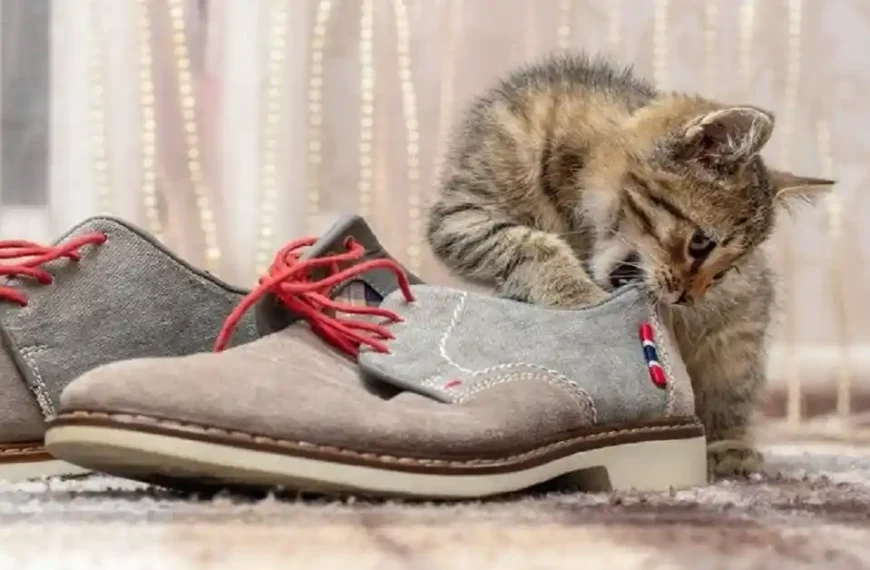
Cats are not reputed to be the chewers of dog canine. But still some are able to make a considerable damage with their teeth. Boredom, aggression, nutritional deficiency, teeting of kittens, weaning at too tender an age, may cause chewing behavior in your cat. It may also merely be that your cat is playing or is fond of the feel or flavor of the object.
Urinary Problems
Cats may develop urinary problems of various types. A cat may urinate out of its box, spray, or it may not be able to urinate at all due to infection, inflammation, presence of bladder stones, stress, tumor and others. The fights between cats or other pets and the house changes (e.g., building work, members of the family moving out, new members entering the family, etc.) may stress cats and cause litter box problems too.
Aggression
Cats could be violent to other animals and humans and it is a significant behavioral issue. Stress and anxiety can make a cat aggressive, or a medical issue that makes a cat painful or hormone-altering can make him aggressive.
Obsessive-Compulsive Licking
In cats, chronic licking is the result of pain or anxiety and stress. Cats all lick themselves, but licking too much can be a serious problem, and they need to be dealt with immediately.
It is because when in pain a cat will lick on any part of its body until it is hairless and raw – and it is not necessarily the part of the body that is hurting. Another aspect of an obsessed cat is that when it is stressed or anxious it will end up licking its belly until it has no fur or overgrooming other parts of the body.
How to Prevent Dementia in Cats
There are certain behavioral problems that are caused by the instinct of a cat, but it is always better to start by eliminating medical complications with your vet. In case you think your cat is sick or hurting, then take him to the veterinary. Talk about the supplements, drugs, pheromones, special diets, and other items meant to assist older cats or decrease excessive licking.
Then, you may begin to respond and discourage some behaviors like jumping on counters or assist your cat with overcoming whatever seems to be the cause of the problem.
Excessive Vocalizations
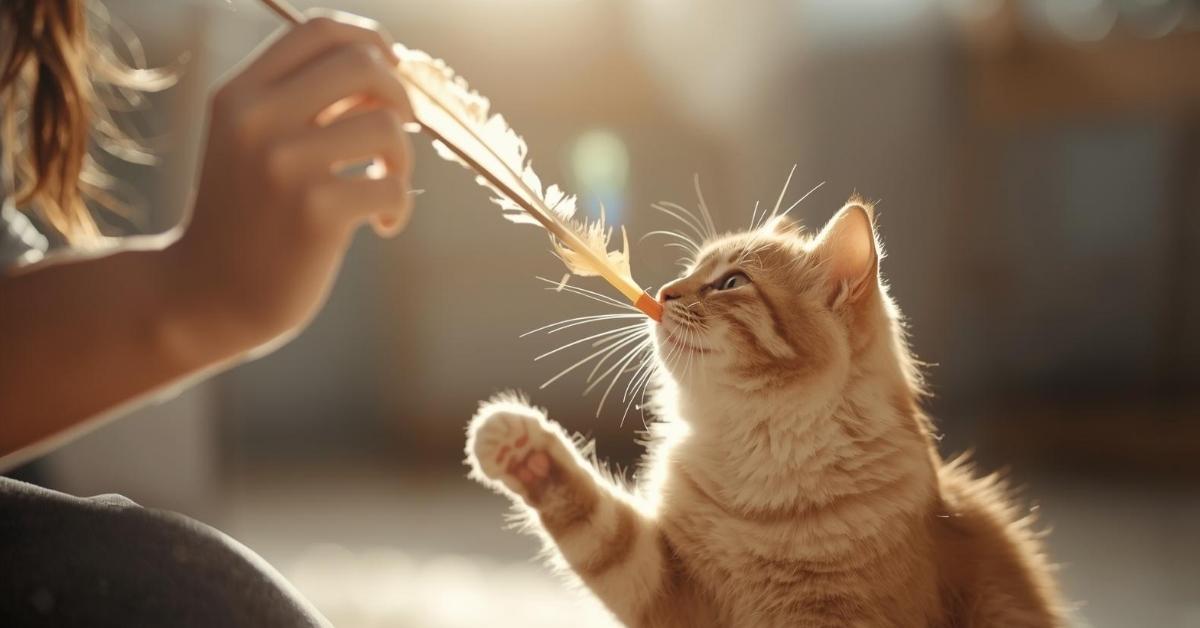
Giving your cat something to do at the same time you are sleeping could ensure that the cat does not howl during the night. Another way would be to ensure there is more exercising during the day and less at night.
Your cat can howl when it wants to be fed, to be taken out or to be petted. Whatever you do with your cat (e.g., giving in to its request to have a treat) will condition the cat to repeat such vocalizations to receive what it desires.
For a deeper understanding of feline dementia, symptoms, and treatment, visit.