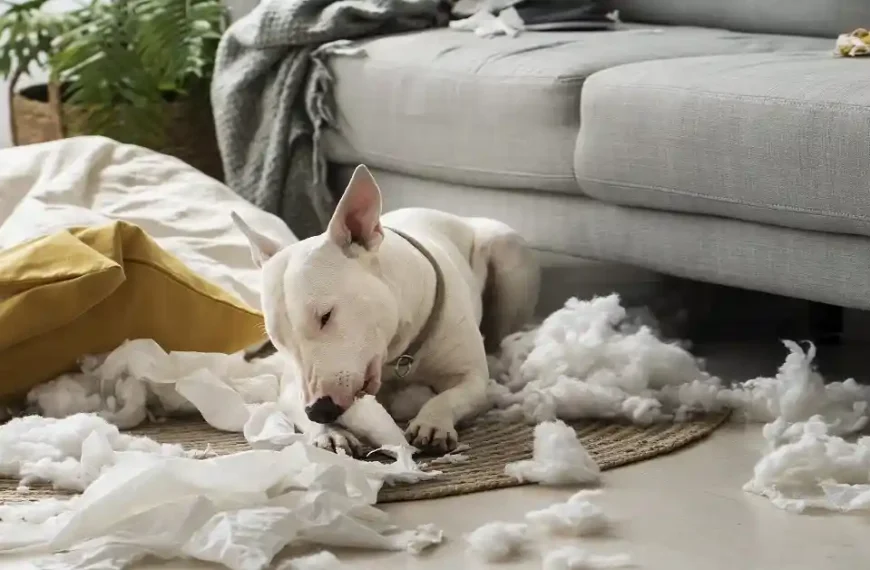

How to get dog pee out of your carpet is one of the most frustrating problems dog owners face. One accident can leave behind stubborn stains, strong odors, and lingering bacteria that keep coming back.
If dog urine isn’t cleaned properly, the smell can soak deep into carpet fibers and padding—causing repeat marking and permanent damage. The good news is that you can completely remove dog pee from carpet using the right techniques. This guide shows you exactly how.
How to get dog pee out of your carpet: Blot the urine immediately, clean dog urine carpet with an enzymatic cleaner to break down odor-causing bacteria, neutralize smells with baking soda or vinegar, and deep clean the area if needed. Proper methods remove stains and odors permanently.
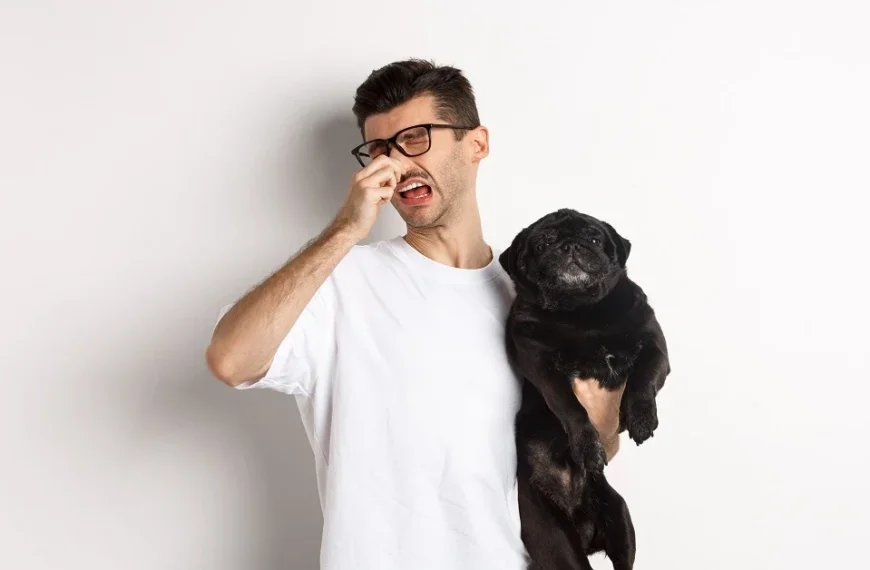
Why Dog Pee Smell Stays in Carpet
Dog urine contains uric acid crystals that bond tightly with carpet fibers and padding.
If not removed fully:
Odor returns when humidity rises
Dogs remark the same spot
Bacteria continue to grow
How to Get Dog Pee Out of Your Carpet: Act Fast First
Fresh urine is easier to remove than old stains. Dog pee stain removal.
What to do immediately:
Blot—don’t rub
Use paper towels or cloth
Press firmly to absorb liquid
Never scrub urine deeper into the carpet.
Fix 1: Blotting and Cold Water Rinse (Fresh Pee)
This is your first defense.
Steps:
Blot as much urine as possible
Pour a small amount of cold water
Blot again until mostly dry
Avoid hot water—it sets the stain and smell.
Speed matters more than products for fresh accidents.
Fix 2: Enzymatic Cleaner (Best Overall Solution)
Enzymatic cleaners are the most effective way to remove dog pee odor.
Why enzyme cleaners work:
Break down uric acid crystals
Eliminate odor at the source
Prevent repeat marking
How to use:
Saturate the area fully
Follow product dwell time
Air dry completely
This method works for fresh and old dog urine.
Fix 3: Vinegar and Baking Soda Method (DIY Option)
A popular home solution when enzyme cleaners aren’t available.
Steps:
Mix 1:1 white vinegar and water
Spray the affected area
Blot excess moisture
Sprinkle baking soda
Let sit overnight
Vacuum thoroughly
This neutralizes odor but may not fully remove old urine crystals.
Fix 4: Hydrogen Peroxide Solution (For Tough Stains)
Use this only on color-safe carpets.
DIY mix:
1 cup 3% hydrogen peroxide
1 tsp dish soap
Test in hidden area first
Apply lightly, blot, and let dry.
Always spot-test before using peroxide.
Fix 5: Deep Cleaning or Professional Help (Old Urine)
If urine has reached carpet padding, DIY methods may fail.
Signs you need deep cleaning:
Smell returns after cleaning
Stain keeps reappearing
Dog repeatedly marks same spot
Professional carpet cleaners or pad replacement may be necessary.
How to Remove Old Dog Pee Smell From Carpet
Old urine is harder but not impossible.
Best approach:
Enzyme cleaner (multiple treatments)
Allow full drying between treatments
Avoid steam cleaning initially
Steam can reactivate urine odor if done too early.
What NOT to Do When Cleaning Dog Pee
Avoid these common mistakes:
Using ammonia-based cleaners
Rubbing or scrubbing
Using hot water
Covering odor with fragrance
Wrong methods make odors worse.
How to Stop Dogs From Peeing on the Same Spot
Cleaning alone isn’t enough.
Prevention tips:
Use enzyme cleaners every time
Block access temporarily
Address marking behavior
Reinforce potty training
Dogs return to areas that smell familiar.
Carpet Types and Dog Pee Removal
Different carpets react differently.
Consider:
Wool carpets need gentle methods
Synthetic carpets tolerate stronger cleaners
Thick padding traps urine deeper
Adjust cleaning intensity accordingly.
Knowing how to get dog pee out of your carpet properly saves your floors, your home’s smell, and your sanity. The key is acting fast, using enzyme-based cleaners, and avoiding common mistakes that make odors worse, dog pee carpet cleaner.
How to remove pet urine, these 5 proven fixes, you can eliminate dog urine stains and smells permanently—and keep your carpet clean in 2025 and beyond.
Repeated indoor accidents can sometimes be linked to health or behavioral issues in dogs. In such cases, having proper coverage can help manage unexpected vet visits and treatments. Learn more in our complete guide on and how it can support your dog’s long-term health.