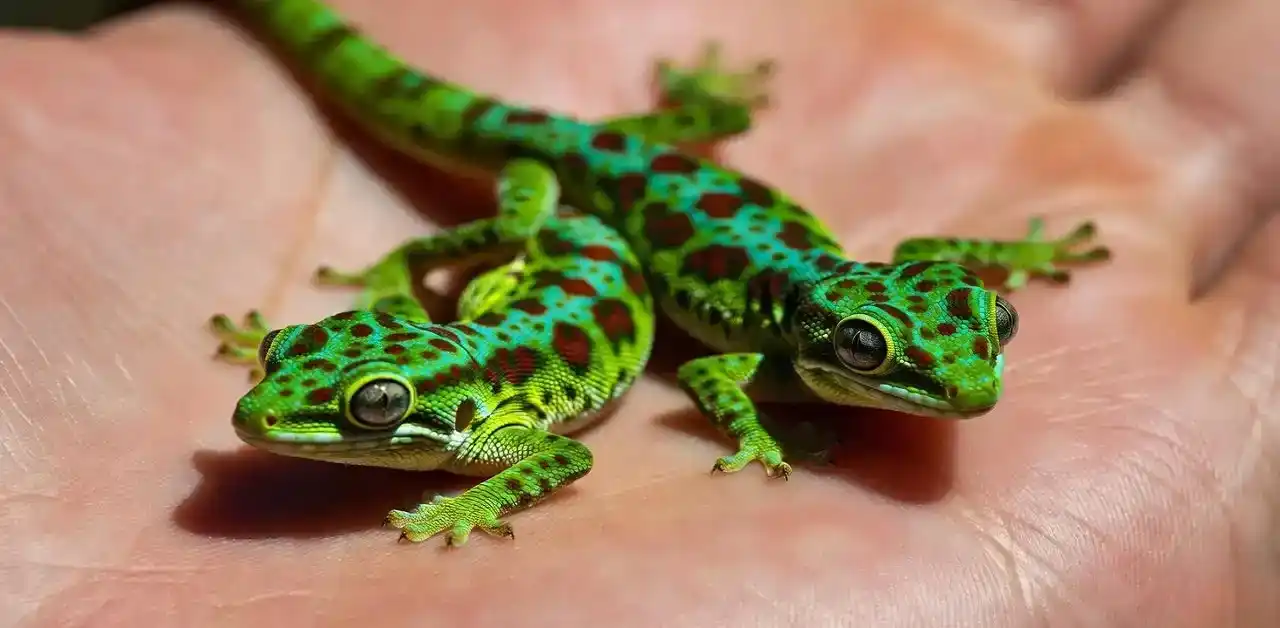

Choosing a gecko as a pet is exciting—but without the right knowledge, mistakes can quickly lead to stress, illness, or even early death. Many new owners assume geckos are “low-effort” pets and overlook critical care details.
This gecko care guide solves that problem. Whether you’re a beginner gecko pets or upgrading your setup, this guide explains exactly how to keep geckos as pets safely, humanely, and successfully.
A gecko care guide explains how to keep geckos as pets by providing proper housing, correct temperature and humidity, a balanced insect-based diet, gentle handling, and regular health monitoring. With correct setup and routine care, geckos can live long, healthy lives in captivity.
Gecko Care Guide: Are Geckos Good Pets?
Yes—geckos make excellent pets for people who enjoy quiet, low-maintenance reptiles. They are small, calm, and don’t require daily interaction.
However, geckos are not “decorative pets.” They depend entirely on proper environment control and nutrition pet gecko care.
Popular Gecko Species for Beginners
Not all geckos have the same care needs.
Best beginner species:
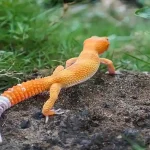
Leopard geckos – hardy, ground-dwelling, insect eaters
Crested geckos – arboreal, eat prepared diets
African fat-tailed geckos – similar to leopard geckos
Each species has unique requirements, so always research before choosing.
Gecko Care Guide: Enclosure and Habitat Setup
Your gecko’s enclosure is its entire world.
Basic enclosure requirements:
Proper size (species-specific)
Secure lid or doors
Multiple hiding spots
Appropriate substrate
Climbing branches or decor (arboreal species)
Avoid overcrowding—one gecko per enclosure is usually best.
Temperature and Humidity Requirements
Geckos rely on external heat to survive.
General guidelines:
Warm side: 85–90°F (species dependent)
Cool side: 72–78°F
Night drop allowed
Humidity: 40–80% depending on species
Use thermostats and hygrometers to avoid dangerous fluctuations.
Incorrect temperature is the #1 cause of gecko health problems.
Lighting and UVB: Do Geckos Need It?
Some geckos benefit from UVB lighting.
UVB benefits:
Helps vitamin D3 synthesis
Supports calcium absorption
Improves activity and appetite
While nocturnal geckos can survive without UVB, low-level UVB is increasingly recommended.
Gecko Care Guide: Diet and Feeding
Most geckos eat insects—but quality matters. Gecko diet and feeding.
Common feeder insects:
Crickets
Dubia roaches
Mealworms (limited)
Waxworms (treat only)
Feeding tips:
Gut-load insects
Dust with calcium and vitamins
Feed juveniles daily, adults 2–3 times/week
Crested geckos also require prepared gecko diets.
Water and Hydration Needs
Even desert species need water.
Hydration methods:
Shallow water dish
Misting enclosure
Humidity hides
Dehydration often shows as wrinkled skin or stuck shed.
Handling Geckos Safely
Geckos tolerate handling but don’t crave it.
Safe handling rules:
Never grab the tail
Support the body
Keep sessions short
Avoid handling during shedding
Some species may drop tails when stressed.
Gentle, minimal handling builds trust.
Gecko Shedding: What’s Normal vs Dangerous
Healthy geckos shed regularly.
Normal shedding signs:
Dull coloration
Reduced appetite
Increased hiding
Warning signs:
Stuck shed on toes
Retained eye caps
Assist gently with humidity—not force.
Common Health Problems in Pet Geckos
Watch for early signs. Gecko health care.
Common issues:
Metabolic bone disease
Parasites
Respiratory infections
Dehydration
Early veterinary care saves lives.
Gecko Care Guide: Cleaning and Maintenance
Clean environments prevent disease.
Cleaning routine:
Spot clean daily
Replace water daily
Deep clean monthly
Disinfect decor periodically
Avoid harsh chemicals—use reptile-safe cleaners.
How Long Do Geckos Live as Pets?
With proper care:
Leopard geckos: 15–20+ years
Crested geckos: 15–20 years
Geckos are a long-term commitment.
Common Gecko Care Mistakes to Avoid
Wrong temperature
Improper diet
Housing multiple geckos
Overhandling
Skipping supplements
Most problems are preventable with education.
Stress-related behaviors are common in pet reptiles. One serious issue is gecko tail loss, which often occurs due to improper handling, poor habitat setup, or sudden fear responses.
This gecko care guide shows that keeping geckos as pets is rewarding when done correctly. With proper enclosure setup, nutrition, gentle handling, and regular monitoring, geckos can live long, healthy lives.
If you’re ready for a calm, fascinating reptile companion, geckos are an excellent choice—just commit to doing it right.