
Key Takeaways
- Understanding gastric acid secretion is crucial for pet health.
- Gastric acid plays a vital role in the digestive process.
- Proper gastric acid secretion aids in nutrient absorption.
- It helps prevent the growth of harmful bacteria.
- A healthy digestive system is essential for overall wellbeing.
The Digestive Process in Pets
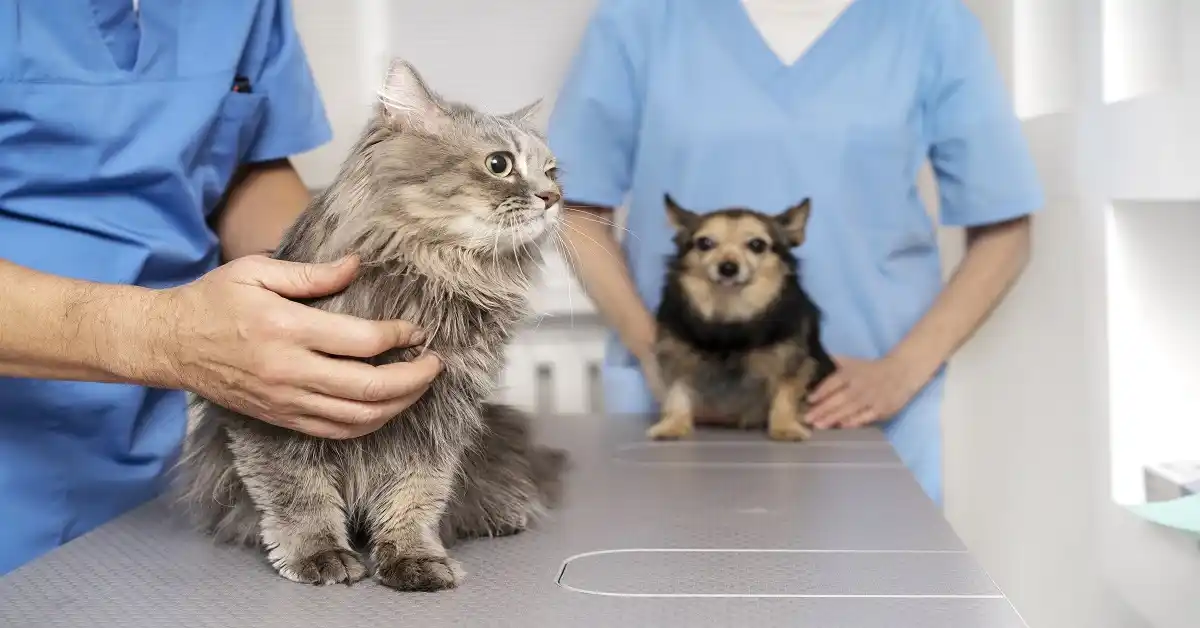
Digestion in pets is a multifaceted process that starts from the moment they eat. The pet digestion system is designed to break down food into nutrients that can be absorbed and utilized by the body. In dogs and cats, the digestive process involves various organs, including the mouth, esophagus, stomach, and intestines.

The digestive process begins in the mouth, where food is chewed and mixed with saliva. Once swallowed, the food passes through the esophagus into the stomach, where it is mixed with gastric acid and digestive enzymes.
Role of Gastric Acid in Digestion
Gastric acid plays a crucial role in the digestion of proteins and killing bacteria that may be present in the food. The acidic environment of the stomach helps to denature proteins, making them more accessible to digestive enzymes. In dogs and cats, gastric acid secretion is a vital component of the digestive process, and its dysregulation can lead to various gastrointestinal disorders.
Why Understanding Pet Digestion Matters
Understanding how pets digest their food is essential for providing them with the right nutrition. By knowing how the dog and cat stomach acid works, pet owners can make informed decisions about their pet’s diet and health. For instance, feeding pets a diet that is appropriate for their digestive system can help prevent conditions like acid reflux and gastritis.
Some key factors to consider when it comes to pet digestion include:
- The type of food being fed
- The frequency of feeding
- The overall health of the pet’s digestive system
Anatomy of the Canine and Feline Stomach
The stomachs of dogs and cats have unique anatomical features that play a significant role in their digestive health. Understanding these differences is essential for pet owners to provide the best possible care.

Dog Stomach Structure and Capacity
Dogs have a relatively simple stomach structure compared to ruminants, with a single-chambered stomach that is designed for omnivorous digestion. The capacity of a dog’s stomach varies significantly with size, from about 0.5 liters in small breeds to over 8 liters in larger breeds.
Cat Stomach Structure and Capacity
Cats, being obligate carnivores, have a stomach that is adapted for a diet rich in protein and fat. Their stomach is relatively small, with a capacity that is generally around 30-40 ml/kg of body weight, which is sufficient for their typical feeding behavior of eating smaller, more frequent meals.
Comparative Stomach Anatomy
While both dogs and cats are carnivores, their stomach anatomy shows some key differences. Dogs have a more flexible stomach that can accommodate larger meals, reflecting their ability to eat a varied diet. Cats, on the other hand, have a stomach that is highly specialized for meat digestion, with a more straightforward digestive process.
Understanding these anatomical differences is crucial for managing the dietary needs of dogs and cats, ensuring that they receive the appropriate nutrition for optimal health.
Gastric Acid Secretion in Dogs and Cats
The secretion of gastric acid in dogs and cats is a fascinating process that highlights the unique aspects of their digestive systems. Gastric acid plays a crucial role in breaking down food into smaller, more digestible components.
Mechanisms of Acid Production in Dogs
In dogs, gastric acid secretion is primarily stimulated by the presence of food in the stomach. The gastric parietal cells release hydrochloric acid (HCl) in response to signals from the vagus nerve and the hormone gastrin. This process is crucial for creating an acidic environment that activates digestive enzymes.
The secretion rate in dogs can vary depending on factors such as the type of food consumed and the individual dog’s health status. For instance, a diet high in protein can stimulate more gastric acid production.
Mechanisms of Acid Production in Cats
Cats, being obligate carnivores, have a different mechanism of gastric acid production compared to dogs. Their stomachs are adapted to process high amounts of protein and fat from meat. The gastric acid secretion in cats is also influenced by gastrin and the vagus nerve, but their stomachs tend to maintain a more consistently acidic environment.
Feline gastric physiology is specialized to handle the digestion of meat efficiently, with a higher concentration of gastric acid.
pH Levels and Secretion Rates Compared
When comparing the pH levels and secretion rates between dogs and cats, it’s evident that both species have adapted to their dietary needs. Dogs tend to have a slightly higher gastric pH than cats, which can be attributed to their more varied diet.
- Dogs: Gastric pH can range from 1.5 to 3.5, depending on the digestive state.
- Cats: Gastric pH is generally lower, often between 1 and 2.5, reflecting their strict carnivorous diet.
Understanding these differences is crucial for managing their dietary needs and addressing any digestive issues that may arise.
Dietary Influences on Gastric Acid
The diet of dogs and cats plays a crucial role in their digestive health, particularly in relation to gastric acid secretion. A well-balanced diet can help maintain optimal gastric acid levels, ensuring proper digestion and nutrient absorption. Conversely, a poorly formulated diet can lead to stomach acid problems in animals, potentially causing discomfort and health issues.
As pet owners, it’s essential to understand how different dietary components affect gastric acid production in dogs and cats. The type of food, its composition, and the feeding schedule can all impact stomach acid levels. For instance, a diet high in protein can stimulate gastric acid secretion, while a diet lacking essential nutrients may lead to digestive issues.
How Dog Food Affects Stomach Acid
Dog food that is high in protein can increase gastric acid production, as the stomach works to break down the protein into smaller peptides and amino acids. “A diet rich in protein is essential for maintaining the overall health of dogs,” as noted by veterinary nutritionists. However, it’s crucial to balance protein with other nutrients to avoid putting excessive strain on the digestive system.
How Cat Food Affects Stomach Acid
Cats are obligate carnivores, requiring a diet rich in protein from animal sources. Their stomachs are adapted to handle high amounts of protein, which can stimulate gastric acid secretion. Feeding cats a diet that is appropriately formulated for their nutritional needs can help maintain healthy gastric acid levels.
Protein Digestion Differences
While both dogs and cats require protein in their diets, their digestive systems handle protein differently. Dogs can thrive on a varied diet that includes both animal and plant-based protein sources. Cats, however, require a diet predominantly based on animal protein. Understanding these differences is key to managing their gastric health effectively.
In conclusion, dietary choices play a significant role in influencing gastric acid secretion in dogs and cats. By choosing the right food and being mindful of their nutritional needs, pet owners can help maintain their pets’ digestive health and overall well-being.
Common Gastric Acid-Related Disorders
Pets, like humans, can suffer from various gastric acid-related issues, including acid reflux and gastritis. These conditions can significantly impact their quality of life and overall health. Understanding the symptoms, diagnosis, and treatment options is essential for pet owners to provide the best possible care.
Acid Reflux and Gastritis in Dogs
Acid reflux in dogs occurs when stomach acid flows back into the esophagus, causing discomfort and potentially leading to more severe conditions. Gastritis, or inflammation of the stomach lining, can be acute or chronic and is often associated with vomiting, loss of appetite, and abdominal pain. Identifying the symptoms early is crucial for effective management.
Acid Reflux and Gastritis in Cats
Cats can also suffer from acid reflux and gastritis, though their symptoms might be more subtle. Acid reflux can lead to esophagitis, while gastritis can cause vomiting, weight loss, and decreased appetite. Monitoring your cat’s behavior and health closely can help in early detection.
Diagnosis and Treatment Options
Diagnosing gastric acid-related disorders involves a combination of physical examination, dietary history, and diagnostic tests such as endoscopy and biopsy. Treatment options vary depending on the condition’s severity and may include dietary changes, medication to reduce acid production, and in some cases, surgery.