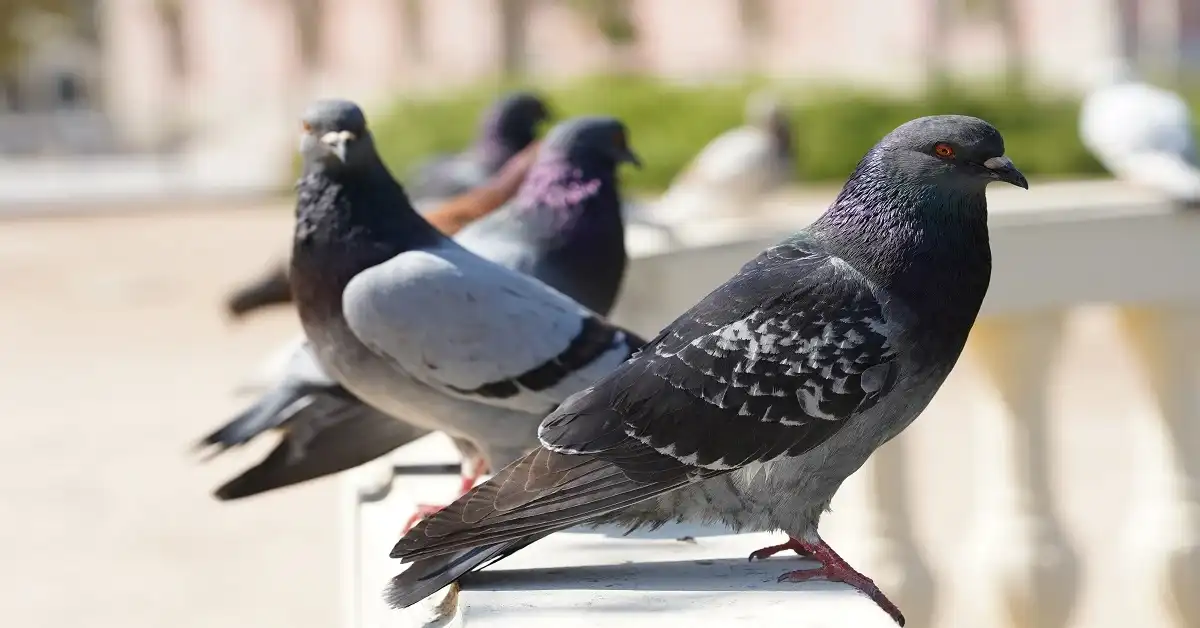

Pigeons, like all living creatures, are susceptible to various health issues. Understanding pigeon health is crucial for their care and well-being.

Disease prevention is a critical aspect of maintaining healthy pigeons. Various diseases can affect pigeons, including canker, lice, flies, coccidia, worms, hexamita, mites, chlamydia, respiratory infections, and mycoplasma.
Recognizing the signs and symptoms of these diseases is essential for effective treatment and prevention. This article will provide a comprehensive guide on Common Pigeon Diseases, helping you to identify and manage them.
Key Takeaways
- Understanding pigeon health is vital for their care.
- Disease prevention is crucial for maintaining healthy pigeons.
- Various diseases can affect pigeons, including parasites and infections.
- Recognizing disease signs and symptoms is essential for effective treatment.
- A comprehensive guide can help in identifying and managing pigeon diseases.
Understanding Pigeon Health and Disease Susceptibility
Understanding the intricacies of pigeon health is essential for preventing diseases. Pigeons, like all living creatures, are susceptible to various health issues that can impact their well-being and performance. Factors such as environment, nutrition, and genetics play a significant role in determining their health status.
Signs of a Healthy vs. Sick Pigeon
Identifying the signs of a healthy versus a sick pigeon is vital for timely intervention. A healthy pigeon is typically active, has bright eyes, and displays a good appetite. In contrast, a sick pigeon may appear lethargic, have ruffled feathers, or show signs of labored breathing. Recognizing these signs early can make a significant difference in treatment outcomes.
Monitoring their behavior and physical condition regularly allows owners to catch any deviations from normal health early, facilitating prompt veterinary care when needed.
Overview of Common Pigeon Diseases and Their Impact
The health of pigeons, whether domestic or wild, is often compromised by various diseases. These diseases can significantly affect pigeon populations, impacting their overall health and well-being. Understanding the prevalence and implications of these diseases is crucial for effective disease management.
Disease Prevalence in Domestic and Wild Pigeons
Diseases in pigeons can be caused by a variety of pathogens, including bacteria, viruses, and parasites. Domestic pigeons, often kept for racing or as pets, are susceptible to diseases such as canker, coccidiosis, and respiratory infections. Wild pigeons, on the other hand, face similar health challenges, with the added risk of disease transmission between different bird species.
Economic and Welfare Implications
The economic implications of pigeon diseases are significant, particularly for those involved in pigeon racing and breeding. Diseased pigeons can lead to financial losses due to treatment costs, loss of birds, and decreased performance. Moreover, the welfare of pigeons is a critical concern, as diseased birds can suffer from pain, discomfort, and reduced quality of life.
Effective disease management strategies are essential to mitigate these impacts. This includes regular veterinary care, maintaining clean and hygienic living conditions, and implementing preventive measures such as vaccination and parasite control.
Canker: The Most Prevalent Pigeon Infection
Canker is a significant health issue affecting pigeons worldwide, causing considerable distress to both domestic and wild pigeon populations. This condition, caused by the protozoal parasite Trichomonas gallinae, affects the upper digestive tract of pigeons, leading to a range of clinical symptoms.
Symptoms and Clinical Signs
The symptoms of canker in pigeons can vary but typically include lesions in the mouth, throat, and crop. Infected birds may display signs such as difficulty swallowing, regurgitation of food, and a characteristic foul odor from the mouth. In severe cases, canker can lead to significant weight loss and mortality, especially in young or immunocompromised birds.
Transmission and Risk Factors
Canker is primarily transmitted through direct contact with infected birds, contaminated food and water, or via the parents’ crop milk to their squabs. Risk factors include overcrowding, poor hygiene, and stress, which can exacerbate the susceptibility of pigeons to the disease. Understanding these risk factors is crucial for implementing effective preventive measures.
Treatment Options and Medications
Treatment of canker typically involves the use of antiprotozoal medications, such as metronidazole or carnidazole, administered orally. It is essential to treat all birds in the loft simultaneously to prevent reinfection. Supportive care, including nutritional supplements and ensuring access to clean water, is also vital for recovery.
Prevention Strategies for Canker
Preventing canker involves maintaining a clean and hygienic loft environment, reducing stress among the birds, and implementing a regular health check program. Pigeon fanciers should also consider quarantining new birds before introducing them to the existing flock to prevent the introduction of the disease.
By understanding the causes, symptoms, and treatment options for canker, pigeon enthusiasts can take proactive steps to protect their birds and reduce the incidence of this prevalent disease.
External Parasites: Lice, Mites, and Flies
The presence of external parasites such as lice, mites, and flies can significantly impact the well-being of pigeons. These parasites not only cause discomfort but also lead to various health issues, making their management crucial for pigeon health.
Identifying Lice Infestations
Lice are common external parasites that infest pigeons, causing irritation and discomfort. To identify lice infestations, look for signs such as excessive feather preening, restlessness, and the presence of lice or their eggs (nits) attached to the feathers or in the loft. Regular inspections are key to early detection and treatment.
Mite Species Affecting Pigeons
Mites are another significant external parasite affecting pigeons. Different species of mites, such as the red mite and the northern fowl mite, can infest pigeons, leading to anemia, stress, and decreased productivity. Identifying the specific mite species is crucial for effective treatment.
Fly Problems and Pigeon Fly Management
Flies are not only a nuisance but also vectors for disease transmission among pigeons. Effective fly management involves maintaining cleanliness in the loft, removing waste, and using fly control measures such as traps or insecticides. Understanding the lifecycle of flies is essential for developing a comprehensive management plan.
Treatment Products for External Parasites
Various treatment products are available for managing external parasites in pigeons, including dusting powders, sprays, and lofts treatments. It’s essential to choose products that are safe for the pigeons and effective against the target parasites. Always follow the manufacturer’s instructions for application and dosage.
Digestive System Diseases: Coccidia, Worms, and Hexamita
Pigeons are susceptible to various digestive system diseases, including coccidia, worms, and hexamita infections. These diseases can significantly impact the health and well-being of pigeons, leading to a range of symptoms and potentially severe outcomes if left untreated.
Coccidia Infection: Symptoms and Diagnosis
Coccidia infection is a common issue in pigeons, causing symptoms such as diarrhea, weight loss, and lethargy. Diagnosis typically involves microscopic examination of fecal samples to identify coccidia oocysts. Early detection is crucial to prevent the spread of the disease and to initiate appropriate treatment.
Common Worm Infestations in Pigeons
Worm infestations are another significant digestive issue in pigeons. Various species of worms can infect pigeons, including roundworms and tapeworms. Symptoms may include weight loss, decreased performance, and diarrhea. Regular monitoring and deworming programs are essential to control worm infestations.
Hexamita (Trichomoniasis): A Serious Intestinal Disease
Hexamita, also known as trichomoniasis, is a serious intestinal disease caused by a protozoan parasite. It can lead to severe diarrhea, weight loss, and mortality in pigeons. Prompt treatment is vital to save affected birds and prevent the spread of the disease.
“The key to managing digestive system diseases in pigeons lies in a combination of good hygiene practices, regular health checks, and appropriate treatment protocols.”
Treatment Protocols for Digestive Parasites
Treatment for digestive parasites involves the use of specific medications targeting the causative agents. For coccidia, anticoccidial drugs are used, while worm infestations are treated with deworming medications. Consulting a veterinarian is recommended to determine the most effective treatment plan.
Prevention and Loft Hygiene
Prevention is a critical aspect of managing digestive system diseases in pigeons. Maintaining clean and hygienic loft conditions is essential to reduce the risk of disease transmission. Regular cleaning, proper disposal of waste, and provision of clean water are fundamental preventive measures.
By understanding the causes, symptoms, and treatment options for digestive system diseases, pigeon fanciers can take proactive steps to protect their birds and ensure their overall health and well-being.
Bacterial Infections: Chlamydia and Mycoplasma
Bacterial infections are a significant threat to pigeon health, with chlamydia and mycoplasma being two of the most concerning conditions. These infections can lead to severe health issues in pigeons, affecting their overall well-being and productivity.
Chlamydia psittaci: Symptoms and Zoonotic Concerns
Chlamydia psittaci is a bacterium that causes psittacosis, a disease that can be transmitted to humans. Symptoms in pigeons include respiratory distress, lethargy, and loss of appetite. It’s essential for pigeon owners to be aware of the zoonotic potential of this disease, meaning it can be transmitted from birds to humans.
The symptoms can be non-specific, making diagnosis challenging. Pigeon owners should be vigilant for any signs of illness and consult a veterinarian if they suspect Chlamydia psittaci infection.
Mycoplasma Infections and Their Effects
Mycoplasma infections in pigeons can cause a range of symptoms, including respiratory issues, conjunctivitis, and decreased performance. Mycoplasma is highly contagious and can spread quickly among pigeons in close proximity.
Effective management of mycoplasma involves a combination of treatment and prevention strategies. Understanding the effects of mycoplasma infections is crucial for maintaining the health of pigeon flocks.
Diagnostic Approaches
Diagnosing bacterial infections in pigeons requires a comprehensive approach, including clinical examination, laboratory tests, and history taking. Veterinarians may use various diagnostic tools to identify the causative agent of the infection.
Accurate diagnosis is critical for selecting the appropriate treatment. Laboratory tests can help confirm the presence of chlamydia or mycoplasma, guiding the treatment plan.
Treatment Options and Antibiotics
Treatment of bacterial infections in pigeons often involves the use of antibiotics. The choice of antibiotic depends on the specific bacteria involved and the severity of the infection.
It’s crucial to follow a veterinarian’s guidance on treatment to ensure the infection is fully cleared and to minimize the risk of antibiotic resistance.
Respiratory Diseases in Pigeons
Understanding respiratory diseases in pigeons is crucial for providing appropriate care and treatment. Respiratory issues can arise from various factors, including infections, environmental conditions, and the overall health of the pigeon.
Common Respiratory Symptoms and Causes
Respiratory diseases in pigeons manifest through symptoms such as coughing, wheezing, labored breathing, and nasal discharge. These symptoms can be caused by infections, allergens, or environmental irritants. Identifying the underlying cause is essential for effective treatment.
- Coughing and wheezing
- Labored breathing
- Nasal discharge
- Changes in behavior or appetite
Viral Respiratory Infections
Viral infections are a significant concern in pigeon health. Viruses such as Newcastle disease virus and Infectious bronchitis virus can cause severe respiratory symptoms. These infections can spread rapidly among pigeons, especially in crowded or poorly ventilated lofts.
Bacterial Respiratory Diseases
Bacterial infections, often caused by pathogens like Escherichia coli or Mycoplasma species, can also lead to respiratory disease in pigeons. Bacterial infections may result from primary infection or secondary infection following a viral infection.
Treatment Approaches for Respiratory Issues
Treatment for respiratory diseases in pigeons typically involves antibiotics for bacterial infections, antiviral medications for viral infections, and supportive care to alleviate symptoms. Ensuring good ventilation, reducing stress, and maintaining a clean environment are crucial aspects of treatment.
Environmental Factors and Prevention
Preventing respiratory diseases involves managing environmental factors such as ventilation, humidity, and cleanliness. Regular cleaning of the loft, providing adequate ventilation, and minimizing stress can significantly reduce the risk of respiratory diseases.
- Ensure good ventilation in the loft
- Maintain cleanliness and reduce dust
- Minimize stress among pigeons
When to Seek Veterinary Care for Pigeon Diseases
Understanding the importance of timely veterinary care can significantly impact the health of your pigeons. Pigeon diseases can progress rapidly, and delayed treatment can lead to severe consequences, including death. Therefore, it is crucial to recognize the signs that indicate your pigeon needs immediate veterinary attention.
Emergency Signs That Require Immediate Attention
Pigeons often hide signs of illness, making it challenging to detect disease early. However, certain symptoms require immediate action, such as labored breathing, lethargy, loss of appetite, or visible injuries. If your pigeon exhibits any of these emergency signs, seek veterinary care without delay.
Finding an Avian Veterinarian
Not all veterinarians specialize in avian care. It’s essential to find an avian veterinarian experienced in treating pigeons. You can ask for recommendations from local pigeon clubs, online forums, or your regular veterinarian for a referral.

What to Expect During a Veterinary Visit
During the visit, the avian veterinarian will perform a thorough examination, which may include diagnostic tests such as blood work or cultures. Be prepared to provide detailed information about your pigeon’s symptoms, diet, and living conditions to aid in the diagnosis.
By understanding when to seek veterinary care, you can ensure your pigeons receive the treatment they need promptly.
Conclusion: Building a Comprehensive Pigeon Health Management Plan
Effective pigeon health management is crucial for maintaining the well-being of these birds and preventing the spread of diseases. By understanding common pigeon diseases and their impact, pigeon owners and enthusiasts can take proactive steps to ensure the health and productivity of their birds.
A comprehensive pigeon health management plan involves regular monitoring for signs of illness, implementing preventive measures such as vaccination and parasite control, and providing a clean and healthy environment. This includes proper loft hygiene, adequate nutrition, and regular veterinary check-ups.
Disease prevention is a critical component of pigeon health management. By understanding the risks and taking steps to mitigate them, pigeon owners can reduce the likelihood of disease outbreaks and promote overall health.
By following the guidelines outlined in this article, pigeon owners and enthusiasts can develop a comprehensive pigeon health management plan that promotes the health and well-being of their birds. This proactive approach will help to prevent disease, reduce mortality rates, and ensure the continued productivity and performance of their pigeons.