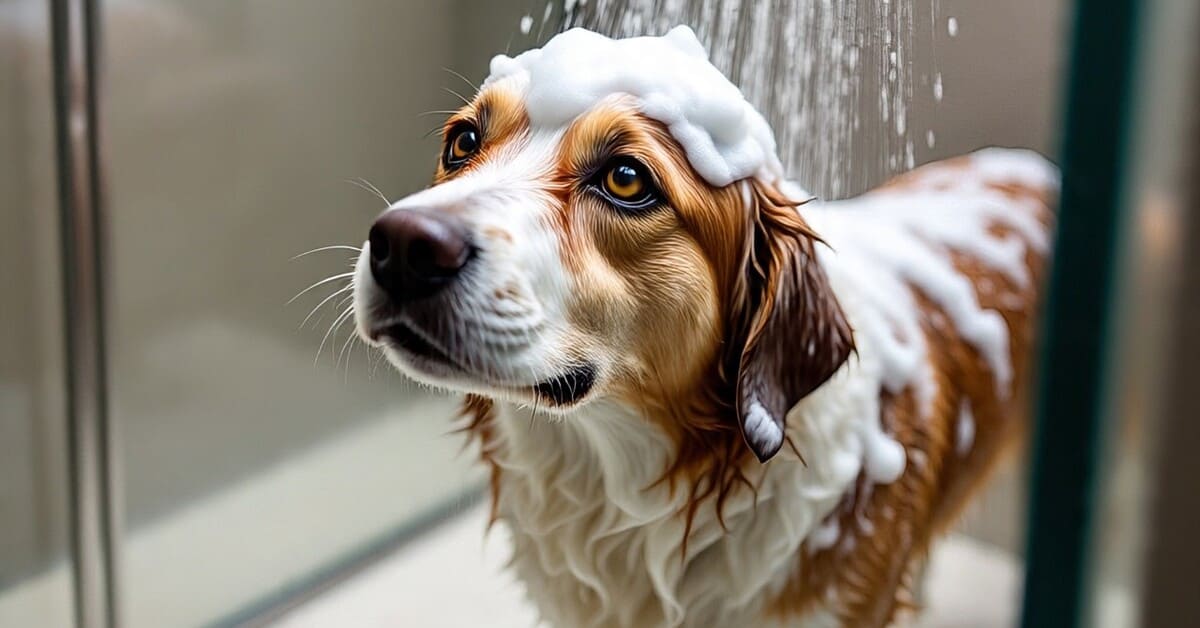
The use of baby shampoo on dogs has sparked a heated debate among pet owners and veterinarians alike. While some advocate for its gentle and non-irritating properties, others raise concerns about its safety and efficacy for canine use. As a result, many dog owners are left wondering whether using baby shampoo is a careful decision or a dangerous secret that could potentially harm their pets. This controversy highlights the need for a comprehensive examination of the pros and cons of using baby shampoo on dogs.
Key Takeaways
- Using baby shampoo on dogs is a controversial topic.
- The safety and efficacy of baby shampoo for canine use are debated.
- Pet owners need to be aware of the potential risks and benefits.
- A comprehensive examination of the pros and cons is necessary.
- Dog owners should consider alternative grooming options.
The Truth About Using Baby Shampoo on Dogs
The trend of using baby shampoo on dogs raises important questions about its efficacy and safety. Many pet owners are drawn to the idea of using a gentle, human-formulated product on their pets, assuming it will be a safer alternative.
Why Pet Owners Turn to Human Products
Pet owners often turn to baby shampoo due to its perceived mildness and the assumption that it is less likely to irritate their dog’s skin. Baby shampoos are formulated to be gentle on human babies’ sensitive skin, which can lead pet owners to believe they are a suitable option for dogs as well. However, the skin of dogs is fundamentally different from that of humans, making this assumption potentially problematic.
Common Misconceptions About Safety
A common misconception is that if a product is safe for human babies, it is automatically safe for dogs. While baby shampoo may be gentle for human skin, its formulation does not take into account the specific needs and sensitivities of canine skin. Using baby shampoo on dogs without considering these differences can lead to unforeseen skin issues or allergic reactions, highlighting the need for caution and proper understanding when choosing a dog grooming shampoo.
Understanding Canine Skin Biology
The biology of canine skin is distinct and requires specific care to maintain its health and integrity. Unlike human skin, dog skin has unique characteristics that are crucial for pet owners to understand when selecting grooming products.
The Structure of Dog Skin vs. Human Skin
Dog skin is structurally different from human skin. It has a thinner epidermis and a different lipid composition, which affects its barrier function. Understanding these differences is key to choosing the right grooming products.
One of the main differences lies in the skin’s lipid layer. Dogs have a unique arrangement of lipids that help maintain their skin’s barrier function. Human skin, on the other hand, has a different composition that is not suitable for dogs.
Critical pH Differences Between Species
The pH level of a dog’s skin is another critical factor that differentiates it from human skin. Dogs have a more alkaline skin pH compared to humans.
Normal pH Range for Dogs
The normal pH range for dogs is between 5.5 and 7.4, which is higher than that of humans. Using products that are too acidic can disrupt this balance.
How pH Affects Skin Barrier Function
The pH level of a dog’s skin affects its barrier function. A pH level that is too high or too low can lead to irritation and compromise the skin’s ability to protect against infections.
Baby Shampoo on Dogs: Scientific Analysis
Despite its mild nature, using baby shampoo on dogs raises several scientific concerns. The primary ingredients in baby shampoos, such as surfactants, fragrances, and preservatives, are designed for human skin, not canine skin.
Common Ingredients in Baby Shampoos
Baby shampoos typically contain a mix of surfactants, fragrances, and preservatives. Surfactants are crucial for their cleansing ability, creating a rich lather that helps remove dirt and oil from the skin.
Surfactants and Their Effects
Surfactants can be harsh on canine skin if not formulated correctly for their skin type. They can strip the coat of its natural oils, leading to dryness and irritation.
Fragrances and Preservatives
Fragrances can cause allergic reactions or skin irritation in dogs. Preservatives, while necessary to extend shelf life, can also be irritating if used in high concentrations.
How These Ingredients Interact with Canine Skin
The interaction between baby shampoo ingredients and canine skin can be problematic. Canine skin has a different pH level and natural barrier function compared to human skin.
Using a hypoallergenic dog shampoo specifically formulated for canine skin is generally recommended. These shampoos are designed to minimize the risk of allergic reactions and maintain the natural barrier of the dog’s skin.
“The key to maintaining healthy canine skin is using products that are specifically designed for their unique skin biology.”
In conclusion, while baby shampoo may seem like a gentle option for dogs, its ingredients can interact with canine skin in potentially harmful ways. Understanding these interactions is crucial for making informed decisions about dog grooming.
Potential Immediate Effects After Use
Baby shampoo, while gentle for humans, can cause immediate issues for dogs. When used on canine coats, it may trigger a range of short-term reactions that pet owners should be aware of.
Skin Irritation and Allergic Reactions
One of the most common immediate effects is skin irritation. Dogs may exhibit redness, itching, or rashes after being bathed with baby shampoo. Allergic reactions can also occur, manifesting as hives or intense scratching. These reactions are often due to ingredients in the shampoo that are not suitable for canine skin.
In some cases, the irritation can be severe enough to cause discomfort and require veterinary attention. It’s crucial to monitor your dog’s skin closely after using any new shampoo.
Changes in Coat Texture and Appearance
The use of baby shampoo can also affect the texture and appearance of a dog’s coat. This can manifest in several ways:
- Dryness and brittleness
- Loss of natural oils
- Dullness or discoloration
Dryness and Brittleness
Baby shampoo can strip the dog’s coat of its natural moisture, leading to dry, brittle fur. This can make the coat more prone to breakage and give it a dull appearance.
Loss of Natural Oils
Canine coats have a natural oil layer that protects them from environmental stressors. Baby shampoo can disrupt this layer, leading to a loss of shine and potentially making the coat more susceptible to dirt and damage.
Long-Term Consequences of Regular Baby Shampoo Use
The prolonged application of baby shampoo on canine companions may lead to significant health issues. While it might seem harmless, the long-term effects can be detrimental to a dog’s skin and coat health.
Disruption of Natural Skin Microbiome
The natural skin microbiome of dogs is sensitive to changes in their environment and grooming products. Using baby shampoo regularly can disrupt this delicate balance, leading to an overgrowth of harmful bacteria or a deficiency in beneficial bacteria. This disruption can result in various skin issues, including infections and irritations.
Vet-approved dog shampoos are formulated to maintain the natural pH balance and microbiome of a dog’s skin, unlike baby shampoos which are designed for human skin.
Progressive Deterioration of Coat Health
Regular use of baby shampoo can also lead to the progressive deterioration of a dog’s coat health. The ingredients in baby shampoo may strip the coat of its natural oils, leading to dryness, brittleness, and dullness.
Increased Susceptibility to Skin Infections
A disrupted skin microbiome makes dogs more susceptible to skin infections. Without the protective barrier of beneficial bacteria, dogs are more likely to develop infections that can be challenging to treat.
Impact on Shedding Patterns
The use of inappropriate shampoos can also affect a dog’s shedding patterns. An imbalance in the skin’s natural environment can lead to excessive shedding or, conversely, a failure to shed properly, which can cause matting and other coat-related issues.
In conclusion, while baby shampoo might be used in emergencies, regular use can have significant long-term consequences for dogs. It’s crucial to use vet-approved dog shampoos that are formulated to respect the dog skin pH level and maintain the natural balance of their skin microbiome.
Situations When Baby Shampoo Might Be Acceptable
While using baby shampoo on dogs is generally not recommended, there are specific situations where it might be considered acceptable. Understanding these scenarios can help dog owners make informed decisions in emergency or unusual circumstances.
True Emergency Scenarios
In situations where a dog gets into something toxic or dirty, and dog shampoo is not available, baby shampoo might be used as a temporary solution for emergency dog washing. It’s crucial to rinse the dog thoroughly to minimize potential skin irritation.
- Use baby shampoo only when dog shampoo is not available.
- Rinse the dog thoroughly after washing.
- Monitor the dog’s skin for any signs of irritation.
Breed-Specific Considerations
Different dog breeds have unique coat characteristics that may influence the suitability of using baby shampoo. Factors such as coat length and existing skin conditions play a significant role.
Short-Haired vs. Long-Haired Breeds
Short-haired breeds might tolerate baby shampoo better than long-haired breeds, as their coats are less prone to matting and tangling, which can be exacerbated by inappropriate shampoo formulations.
Dogs with Existing Skin Conditions
Dogs with pre-existing skin conditions require extra care. Using baby shampoo on these dogs could either be relatively safe or potentially irritating, depending on the specific condition and ingredients in the shampoo. Consulting a veterinarian is advisable in such cases.
It’s essential to weigh the potential risks and benefits and consider professional advice when deciding to use baby shampoo on dogs, especially in breed-specific situations or when the dog has existing health issues.
Human Shampoo vs. Dog Shampoo: Critical Differences
The distinction between human shampoo and dog shampoo lies in their formulation and impact on the skin. While human shampoo is designed to clean human hair and scalp, dog shampoo is specifically formulated to cater to the unique needs of canine skin and coat.
Formulation and Ingredient Disparities
Human shampoos often contain ingredients that are too harsh for dogs, such as fragrances and dyes that can cause irritation. In contrast, dog shampoos are formulated with ingredients that are gentle on their skin while effectively cleaning their coat. For instance, dog shampoos may include ingredients like oatmeal and aloe vera, known for their soothing properties.
Why pH Balance Matters for Dogs
The pH level of a dog’s skin is different from that of humans. Dogs have a more alkaline skin pH, typically ranging from 5.5 to 7.4, whereas human skin is more acidic. Using a human shampoo on dogs can disrupt their skin’s natural pH balance, leading to irritation and other skin issues.
How Dog Shampoos Are Specially Formulated
Dog shampoos are designed to match the natural pH of a dog’s skin, ensuring that their skin remains healthy and balanced. This special formulation helps in preventing skin irritations and infections.
The Science of Skin Protection
The skin of dogs acts as a barrier against external pathogens. Dog shampoos are formulated not only to clean but also to protect this barrier. Ingredients in dog shampoos help in maintaining the integrity of the skin, thereby protecting dogs from potential skin problems.
Veterinarian Perspectives on Baby Shampoo Use
Veterinary dermatologists are at the forefront of advising pet owners on the risks and benefits associated with using baby shampoo on their dogs. Their expertise is crucial in understanding the implications of this practice on canine skin health.
Expert Opinions from Veterinary Dermatologists
Veterinary dermatologists emphasize that while baby shampoo may be gentle on human skin, its suitability for dogs is questionable due to differences in skin pH and structure. According to Dr. Jane Smith, a renowned veterinary dermatologist, “Using human shampoo, including baby shampoo, on dogs can disrupt their skin’s natural barrier function.”
A study published in the Journal of Veterinary Dermatology highlights that canine skin is more sensitive to certain ingredients found in human shampoos, including some baby shampoos. The experts recommend using vet-approved dog shampoos that are formulated to meet the specific needs of canine skin.
Research-Based Recommendations and Warnings
Research indicates that using baby shampoo on dogs can lead to skin irritation and allergic reactions in some cases. The table below summarizes key findings from recent studies on the topic.
Warning Signs Your Dog Is Reacting Poorly to Baby Shampoo
Recognizing the signs of a negative reaction to baby shampoo in dogs is vital for their health and well-being. When using baby shampoo on dogs, it’s essential to be aware of the potential warning signs that may indicate a poor reaction.
Physical Symptoms to Monitor
After using baby shampoo on your dog, monitor their skin closely for any adverse reactions. Immediate physical symptoms can include redness, inflammation, and discomfort.
Skin Redness and Inflammation
Skin redness and inflammation are common reactions to irritants, including inappropriate shampoos. If your dog’s skin becomes red or inflamed after a bath with baby shampoo, it may be a sign that the product is not suitable.
Excessive Scratching and Discomfort
Excessive scratching is a clear indicator that your dog is experiencing discomfort. This behavior can lead to further irritation and potentially cause infections if not addressed promptly.
Behavioral Changes Indicating Skin Problems
Changes in behavior can also signal that your dog is reacting poorly to baby shampoo. Restlessness, irritability, or unusual grooming habits may indicate skin issues that need attention.
Monitoring both physical symptoms and behavioral changes is crucial for maintaining your dog’s skin health. If you notice any of these warning signs, consider switching to a hypoallergenic dog shampoo specifically formulated for canine skin.

Superior Alternatives to Baby Shampoo for Dogs
The quest for the perfect dog shampoo can be daunting, but fortunately, there are numerous vet-approved options that surpass baby shampoo in safety and efficacy. When selecting a dog shampoo, it’s crucial to consider the specific needs of your pet, including skin type, allergies, and any existing skin conditions.
Veterinarian-Approved Dog Shampoos
Veterinarian-approved dog shampoos are formulated to meet the specific dermatological needs of dogs. These shampoos are often recommended by vets due to their gentle yet effective cleansing properties. Look for products that are labeled as ‘veterinarian-approved’ or ‘recommended by veterinarians’ to ensure you’re getting a high-quality shampoo.
Hypoallergenic and Sensitive Skin Options
For dogs with sensitive skin or allergies, hypoallergenic dog shampoos are an excellent choice. These shampoos are designed to minimize the risk of allergic reactions and are typically fragrance-free and gentle on the skin.
Medicated Shampoos for Specific Conditions
Medicated dog shampoos are formulated to address specific skin conditions such as fungal infections, bacterial infections, or severe allergies. These shampoos contain active ingredients that help to treat these conditions under the guidance of a veterinarian.
Natural Ingredient Formulations
Natural ingredient formulations are becoming increasingly popular among dog owners who prefer a more holistic approach to pet grooming. These shampoos often contain ingredients like oatmeal, aloe vera, and coconut oil, which are known for their soothing and moisturizing properties.
Selecting the Ideal Dog Shampoo for Your Pet
The key to a healthy and shiny coat lies in selecting the perfect dog shampoo tailored to your pet’s needs. With so many options available, it can be challenging to determine which shampoo is best for your dog. Factors such as coat type, color, and specific skin conditions play a crucial role in this decision.
Matching Products to Coat Types and Colors
Different coat types require specific formulations. For instance, dogs with dry skin benefit from moisturizing shampoos, while those with oily coats may need a shampoo that controls oil production. Color-enhancing shampoos can help maintain the vibrancy of your dog’s coat color.
Addressing Specific Skin Conditions
Dogs with skin allergies or conditions such as dermatitis require shampoos that are hypoallergenic and gentle. Medicated shampoos can help treat specific skin issues under the guidance of a veterinarian.
Understanding Shampoo Labels and Ingredients
Reading and understanding the ingredients listed on dog shampoo labels is crucial. Look for shampoos with natural ingredients and avoid those with harsh chemicals. Understanding the pH level of the shampoo and ensuring it is suitable for canine skin is also vital.
By considering these factors and choosing a shampoo that meets your dog’s specific needs, you can help maintain their skin and coat health. Regular grooming with the right shampoo can make a significant difference in your dog’s overall well-being and appearance.
Safe DIY Dog Shampoo Alternatives
Dog owners who prefer a more natural approach to pet grooming often explore DIY shampoo options. While commercial dog shampoos are convenient, homemade alternatives can offer a tailored solution for your pet’s specific needs.
Homemade Formulations That Respect Canine pH
When creating a DIY dog shampoo, it’s crucial to respect the natural pH balance of your dog’s skin. The ideal pH level for dogs ranges between 5.5 and 7.4. A formulation that is too alkaline can disrupt this balance, leading to irritation and other skin issues.
A simple recipe for a pH-balanced dog shampoo includes mixing distilled water with a gentle soap that is free from harsh chemicals. You can also add natural ingredients like oatmeal or aloe vera, which are known for their soothing properties.

Household Ingredients to Avoid in DIY Mixtures
Not all household ingredients are safe for your dog. Some can be toxic, while others may be ineffective.
Toxic Components for Dogs
Essential oils, tea tree oil, and certain fragrances can be harmful to dogs. These ingredients can cause skin irritation, allergic reactions, or even systemic toxicity if ingested during grooming.
Ineffective but Common Ingredients
Some ingredients, like baking soda, may seem harmless but can be too abrasive for your dog’s skin. It’s essential to research and understand the potential effects of any ingredient before adding it to your DIY shampoo recipe.
Emergency Dog Washing Protocols
In situations where your dog needs immediate washing but lacks dog shampoo, understanding emergency dog washing protocols becomes crucial. Dogs can get into a variety of messes, from muddy puddles to toxic substances, necessitating a quick wash. However, using the wrong shampoo can be harmful.
When You Have No Dog Shampoo Available
If you find yourself without dog shampoo, it’s essential to know what alternatives are safe. While not ideal, in an emergency, a mild baby shampoo can be used as a last resort, due to its gentle formulation. However, it’s crucial to understand that human shampoo is not formulated for dogs and can disrupt their skin’s pH balance.
As Dr. Marty Becker notes, “Using human shampoo on dogs can lead to skin irritation and other issues.”
“The pH level of human shampoo is not suitable for dogs, and it can strip their coat of its natural oils.”
Post-Bath Care to Minimize Potential Damage
After washing your dog with an inappropriate shampoo, proper post-bath care is vital to minimize potential damage. This includes thorough rinsing and applying protective skin treatments.
Rinse Thoroughly
Ensure that you rinse your dog thoroughly to remove all soap residue. Soap left on the skin can cause irritation and dryness. Use lukewarm water and gently massage the coat to remove all shampoo.
Protective Skin Treatments
After rinsing, consider applying a dog-specific conditioner or a moisturizing treatment to help restore the natural balance of your dog’s skin and coat. This can help mitigate some of the potential damage from using an inappropriate shampoo.
By following these emergency dog washing protocols, you can help protect your dog’s skin and coat health even when you’re caught off guard without the proper grooming supplies.
Professional Grooming vs. Home Bathing
As a dog owner, deciding whether to use professional grooming services or bathe your dog at home can be challenging. Both options have their advantages and disadvantages, which are crucial to consider for the well-being of your pet.
Benefits of Professional Dog Grooming Services
Professional dog grooming services offer several benefits, including expertise in handling different breeds and coat types. Groomers are trained to identify potential skin issues and provide guidance on appropriate care. They also use high-quality, vet-approved dog shampoos that are tailored to specific coat needs.
Cost-Effective Home Grooming Best Practices
For those who prefer bathing their dogs at home, using a vet-approved dog shampoo is crucial. It’s also important to follow proper bathing techniques to avoid irritating your dog’s skin. Regular brushing and nail care can also be done at home, reducing the need for frequent professional grooming visits.
Conclusion: Making Informed Choices for Your Dog’s Skin and Coat Health
Using baby shampoo on dogs can be a risky decision, as it may not be formulated to meet the specific needs of canine skin and coat. As discussed, the differences between human and dog skin biology are significant, and using the wrong shampoo can lead to irritation, allergic reactions, and long-term damage.
When it comes to dog coat care, choosing the right shampoo is crucial. Opting for a veterinarian-approved dog shampoo that is tailored to your dog’s specific coat type and skin conditions is essential. This ensures that your dog’s skin and coat receive the care they need, minimizing the risk of adverse reactions.
While the convenience of using baby shampoo on dogs might be tempting, the potential risks outweigh any perceived benefits. By selecting a suitable dog shampoo and following proper bathing protocols, you can help maintain your dog’s overall skin and coat health. Always consult with a veterinarian for personalized advice on caring for your dog’s unique needs.













how to find the best cream for dog ?