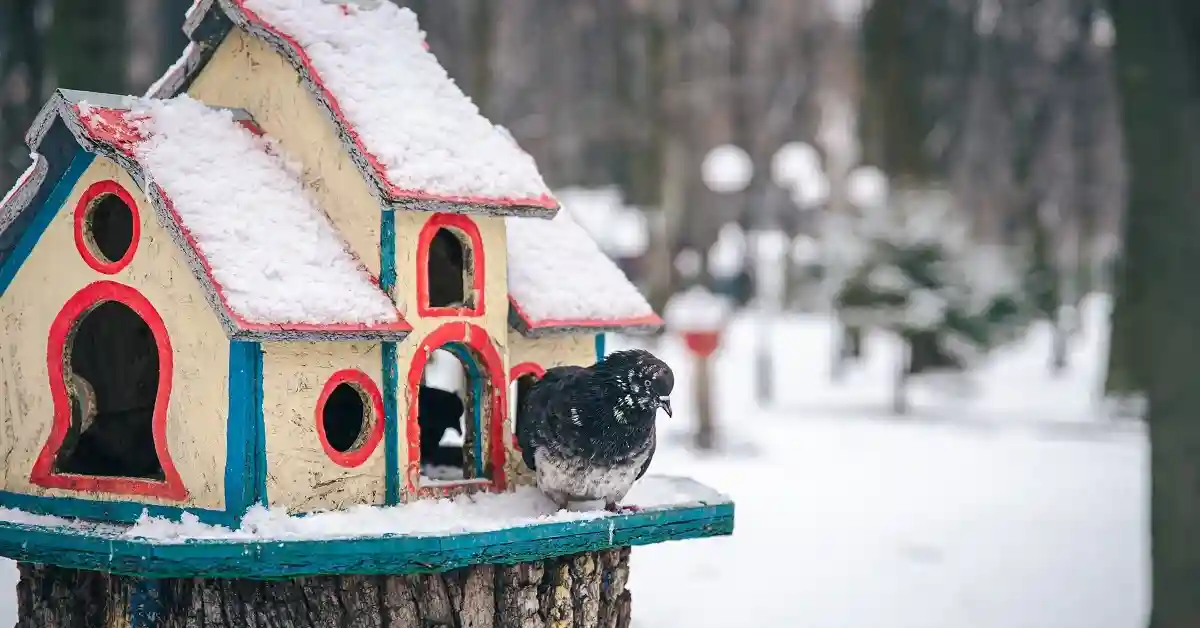

Cold weather can be quietly dangerous for pet birds. Many owners assume indoor living is enough, but winter drafts, temperature drops, and dry air can still put birds at risk.
Birds hide discomfort well. By the time symptoms appear, cold stress may already be affecting their health. Learning how to keep pet birds warm in winter is not about comfort—it is about survival.
How to keep pet birds warm in winter:
Maintain indoor temperatures between 65–80°F, eliminate drafts, use bird safe heating, provide proper nutrition, and monitor signs of cold stress daily. Consistent warmth and stable environments are essential for winter bird safety.
Understanding Why Birds Are Sensitive to Cold
Pet birds evolved in warm, stable climates. Unlike mammals, birds burn energy rapidly to maintain body heat.
Why cold affects birds faster
Small body mass loses heat quickly
Feathers insulate but are not foolproof
Illness risk increases in cold conditions
Key Takeaway: Even brief exposure to cold can weaken a bird’s immune system.
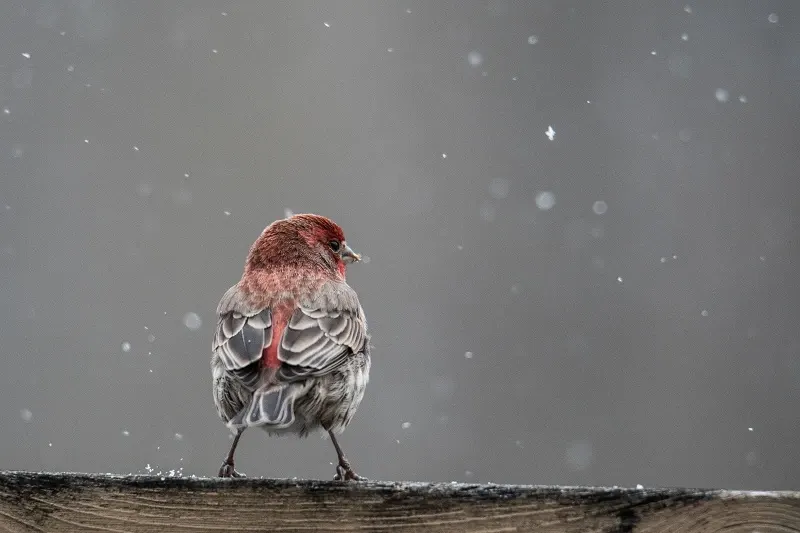
1. Maintain the Ideal Indoor Temperature
The most important rule of how to keep pet birds warm in winter is temperature control.
Safe range:
65–80°F (18–27°C)
Avoid sudden temperature swings
Nighttime drops are especially dangerous.
Key Takeaway: Stable temperature matters more than high temperature.
2. Eliminate Drafts Completely
Drafts are a silent threat.
Common draft sources
Windows and doors
Air conditioners
Ceiling fans
Heating vents
Move cages away from airflow paths, even if the room feels warm.
Key Takeaway: A warm room with drafts is still unsafe.
3. Choose Bird-Safe Heating Options
Not all heaters are safe for birds.
Safe options
Ceramic heat emitters
Oil-filled radiators (well-ventilated rooms)
Infrared panels designed for pets
Avoid completely
Teflon-coated heaters
Open flame heaters
Space heaters near cages
Key Takeaway: If a heater releases fumes, it does not belong near birds.
4. Optimize Cage Placement in Winter
Cage location plays a major role in how to keep pet birds warm in winter.
Best placement rules
Interior wall, not exterior
Elevated off cold floors
Away from windows at night
Covering only one side of the cage can help retain warmth without reducing airflow.
5. Increase Calorie Intake Naturally
Birds burn more calories in cold weather.
Winter-friendly nutrition
Slightly increased seed portions (species-appropriate)
Warm, soft foods like cooked grains
Fresh vegetables served at room temperature
Avoid cold foods straight from the refrigerator.
Key Takeaway: Nutrition supports internal heat production.
6. Maintain Proper Humidity Levels
Winter air is dry, and dryness affects warmth.
Ideal humidity
40–60%
Low humidity can cause:
Feather damage
Respiratory irritation
Increased cold sensitivity
Use a cool-mist humidifier, cleaned regularly.
7. Watch for Signs Your Bird Is Cold
Birds rarely vocalize discomfort.
Warning signs
Fluffed feathers for long periods
Lethargy
Shivering
Reduced appetite
If you see these signs, increase warmth gradually.
Key Takeaway: Early detection prevents emergencies.
8. Provide Extra Warmth at Night
Nighttime is the coldest period.
Safe night strategies
Partial cage covers
Warmer room placement at night
Consistent lighting schedule
Never fully seal a cage.
9. Avoid Sudden Temperature Changes
Rapid changes are more dangerous than steady cool temperatures.
Avoid
Moving birds between rooms suddenly
Turning heat off at night
Opening windows briefly in winter
Consistency is protection.
10. Prepare for Power Outages
Winter storms cause outages.
Emergency warmth plan
Battery-powered heat source
Insulated travel cage
Extra blankets (not inside cage)
Preparation can save a bird’s life.
Signs Your Bird Is Too Cold
Persistent fluffing
Lethargy
Shivering
Reduced appetite
Pale feet or beak
Immediate warmth is critical if these appear.
Protecting Birds Through Winter
Learning how to keep pet birds warm in winter is about awareness, consistency, and prevention. Small adjustments—stable temperature, draft control, safe heating, and proper nutrition—make a measurable difference.
Warm birds are healthy birds.
Make winter preparation part of responsible pet care, not a reaction to illness.
Read More: Complete Guide to Canary Bird Care