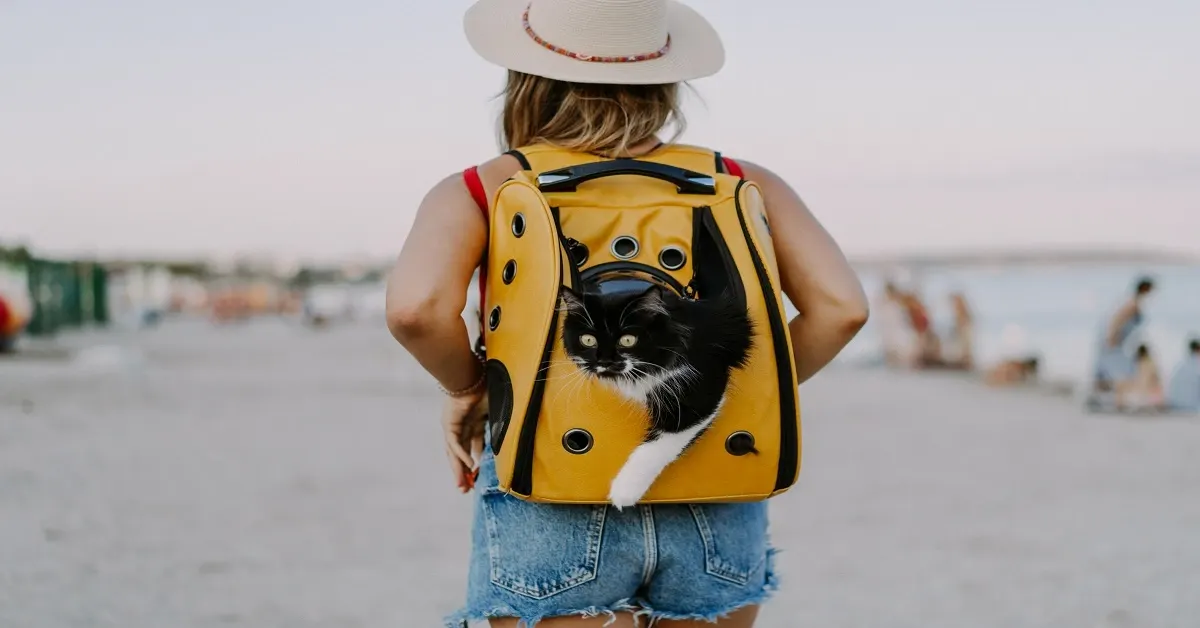

Tips for traveling with your cat are essential because cats are creatures of routine. Sudden changes, unfamiliar smells, and movement can cause fear, stress, or even illness during travel.
Many cat owners avoid trips altogether because of anxiety—both theirs and their cat’s. The good news is that traveling with a cat can be safe and manageable when you prepare correctly. This guide shares proven, vet-approved strategies to make travel calmer for both of you.
Tips for traveling with your cat include using a secure carrier, preparing your cat in advance, maintaining familiar routines, ensuring proper identification, and reducing stress with gradual exposure. Whether traveling by car or plane, preparation and cat travel safety are key to stress-free, cat travel tips.
Why Traveling With Cats Can Be Challenging
Cats rely heavily on familiarity and territory.
Common challenges include:
Stress and anxiety
Motion sickness
Hiding or vocalizing
Refusing food or water
Tips for Traveling With Your Cat: Start Preparing Early
Preparation should begin weeks before travel.
Early preparation steps:
Schedule a vet checkup
Update vaccinations
Ensure flea and parasite prevention
Confirm your cat is microchipped
Preparation reduces emergency risks during trips.
Choose the Right Carrier (Non-Negotiable)
A proper carrier is the foundation of safe travel.
Ideal carrier features:
Hard or soft sides with ventilation
Secure locking doors
Enough room to stand and turn
Easy to clean
Never travel with a loose cat—it’s dangerous for everyone.
Carrier Training: A Must for Stress-Free Travel
Carrier fear is one of the biggest travel issues.
How to train your cat:
Leave the carrier out at home
Add familiar bedding
Offer treats inside
Allow voluntary entry
The carrier should feel like a safe den, not a trap.
Tips for Traveling With Your Cat in a Car
Car travel is common but requires safety measures.
Best car travel practices:
Secure carrier with seatbelt
Keep windows closed
Maintain comfortable temperature
Never leave your cat alone in the car
Take breaks on long trips for water and litter access.
How to Reduce Cat Anxiety During Travel
Stress management is crucial.
Proven calming methods:
Familiar blankets or toys
Pheromone sprays (vet-approved)
Soft music or quiet environment
Calm handling
Avoid sedating your cat unless directed by a veterinarian.
Flying With Your Cat: What You Must Know
Air travel requires extra planning.
Key airline tips:
Check airline pet policies early
Use airline-approved carriers
Book direct flights when possible
Carry health certificates
Most airlines allow cats in the cabin—never in cargo unless unavoidable.
Packing a Cat Travel Essentials Kit
Never travel without essentials.
Must-have items:
Food and treats
Water and bowl
Portable litter box
Waste bags
Medications
Vet records
Feeding and Hydration While Traveling
Avoid feeding right before departure.
Best practices:
Feed small meals
Offer water regularly
Monitor for dehydration
Resume normal feeding once settled
Some cats eat less during travel—this is normal short-term.
Hotel and Accommodation Safety Tips
New environments can be risky.
Keep your cat safe by:
Checking for hiding hazards
Keeping doors and windows closed
Using a “Do Not Disturb” sign
Setting up a mini safe zone
Always supervise initial exploration.
Common Travel Mistakes Cat Owners Make
Avoid these errors:
Skipping carrier training
Letting cats roam freely
Ignoring stress signals
Traveling without ID
Using dog-specific advice
Cat travel requires cat-specific planning.
Tips for Traveling With Your Cat Long-Distance
Long trips need pacing.
Long-distance tips:
Maintain routine timing
Schedule overnight breaks
Monitor litter habits
Watch for stress symptoms
Slow, predictable travel reduces anxiety.
Following the right tips for traveling with your cat can transform a stressful experience into a manageable one. With preparation, patience, and safety-focused planning, cats can travel comfortably by car or plane for stress free cat travel.
Start small, observe your cat’s behavior, and adjust as needed. A calm journey leads to a happier cat—and a more relaxed owner.
During travel, keeping your cat calm is essential for reducing stress. Some owners use screens or videos as distractions, but excessive screen time may have the opposite effect. Before relying on digital entertainment, it’s important to understand and how it impacts feline stress levels.