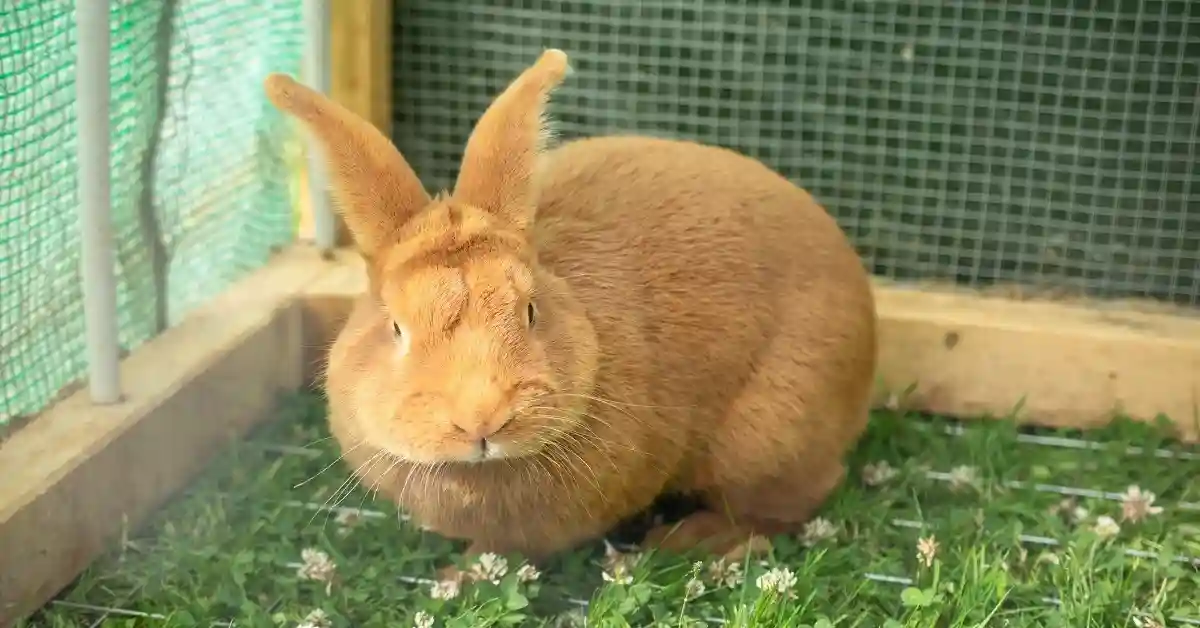

Knowing how to clean a rabbit cage properly is essential for every rabbit owner. A dirty cage can quickly lead to strong odors, bacteria buildup, and serious health issues for your rabbit.
When cleaning is delayed or done incorrectly, ammonia from urine and damp bedding can irritate your rabbit’s lungs and cause infections. The good news? With a simple routine, cleaning a rabbit cage is quick, safe, and stress-free. This guide shows you exactly how to do it.
How to clean a rabbit cage: Remove your rabbit, discard soiled bedding, clean the litter box, wash the cage with a rabbit-safe cleaner, dry thoroughly, and replace with fresh bedding. Regular spot cleaning and weekly deep cleaning keep your rabbit healthy and odor-free.
Why Cleaning a Rabbit Cage Is So Important
A clean cage is not just about smell—it directly affects your rabbit’s health.
Dirty cages can cause:
Respiratory infections from ammonia
Flystrike in warm climates
Skin irritation and sore hocks
Bacterial and parasite growth
How Often Should You Clean a Rabbit Cage?
Cleaning frequency depends on cage size, number of rabbits, and litter habits.
Recommended schedule:
Daily: Spot clean droppings and wet areas
Every 2–3 days: Clean litter box
Weekly: Full cage clean
Monthly: Deep disinfecting clean
Indoor rabbits usually need more frequent cleaning than outdoor rabbits.
What You’ll Need Before Cleaning a Rabbit Cage
Prepare supplies in advance to reduce stress.
Essential supplies:
Trash bag
Pet-safe cleaner or white vinegar
Paper towels or cloth
Scrub brush
Fresh bedding or litter
Gloves (optional)
Avoid harsh chemicals like bleach unless diluted and rinsed thoroughly.
Step 1: Move Your Rabbit to a Safe Area
Before you clean, gently place your rabbit in:
A playpen
A secure room
A carrier with hay and water
This keeps your rabbit calm and prevents escape.
Step 2: Remove Old Bedding and Waste
Take out all:
Soiled bedding
Hay mixed with urine
Droppings
Dispose of waste immediately to control odor and bacteria.
Never reuse damp or dirty bedding.
Step 3: Clean the Rabbit Litter Box
The litter box is the main odor source.
How to clean it:
Empty litter completely
Rinse with warm water
Scrub with vinegar or pet-safe cleaner
Rinse thoroughly
Dry fully
Vinegar neutralizes urine ammonia naturally.
Step 4: Wash the Rabbit Cage Properly
Now clean the cage itself.
Best cleaning method:
Spray vinegar-water solution (1:1)
Scrub corners and bars
Focus on urine spots
Rinse with clean water
Never leave chemical residue behind.
Step 5: Dry the Cage Completely
Moisture leads to bacteria and mold.
Air dry if possible
Use towels for faster drying
Ensure no damp corners remain
Dry cages keep rabbits’ feet healthy.
Step 6: Add Fresh Bedding and Setup
Once dry, rebuild the cage.
Add:
Clean litter
Fresh bedding
Hay in rack
Clean water bottle/bowl
Check that everything is secure and reachable.
Step 7: Return Your Rabbit to the Clean Cage
Gently return your rabbit and observe behavior.
Healthy signs:
Relaxed posture
Eating hay
Exploring calmly
A clean cage often improves mood instantly.
Best Cleaners for Rabbit Cages (What’s Safe?)
Safe options:
White vinegar
Diluted unscented dish soap
Pet-safe cage cleaners
Avoid:
Strong bleach fumes
Pine-scented cleaners
Ammonia-based products
If it smells strong to you, it’s too strong for your rabbit.
Tips to Keep a Rabbit Cage Cleaner Longer
Use high-quality absorbent litter
Train your rabbit to use a litter box
Provide hay above litter box
Clean spills immediately
Ensure proper ventilation
Good setup reduces cleaning effort.
Common Cleaning Mistakes to Avoid
Skipping drying step
Using scented cleaners
Cleaning too infrequently
Overusing water inside wooden hutches
Forgetting corners and urine spots
Small mistakes can cause big health issues.
Learning how to clean a rabbit cage properly is one of the most important responsibilities of rabbit ownership. A clean cage protects your rabbit’s lungs, skin, and overall health while keeping your home fresh.
By following this simple routine and using rabbit-safe products, you’ll create a clean, comfortable environment your rabbit will thrive in. Start today—your rabbit will thank you.