
Is cat TV safe, or are we accidentally harming our cats with too much screen time? Many cat owners turn on Cat TV to reduce boredom, guilt, or destructive behavior—especially for indoor cats.
But too much stimulation can backfire. Understanding whether cat TV is safe and how much feline screen time is too much is essential for your cat’s mental and emotional health. This guide breaks down the science, risks, benefits, and best practices.
Is cat TV safe? Yes, cat TV is generally safe when used in moderation. Short, supervised sessions can provide mental stimulation, but excessive screen time may cause overstimulation, frustration, or stress. Cat TV should supplement—not replace—real-world enrichment and play.
Is Cat TV Safe for Cats?
Yes, cat TV is safe for most cats when used responsibly. Videos featuring birds, fish, or small animals can stimulate natural hunting instincts without physical risk.
However, safety depends on:
Duration of viewing
Individual cat temperament
Availability of other enrichment
Cat TV is a tool—not a substitute for play or interaction.
Why Cats Are Attracted to Cat TV
Cats are visual hunters. Rapid movement, high contrast, and erratic motion instantly grab their attention.
Common triggers in cat TV:
Birds flapping or hopping
Fish swimming patterns
Insects moving unpredictably
Nature sounds
These visuals activate a cat’s prey drive, which can be enriching—or overwhelming.
Benefits of Cat TV (When Used Correctly)
When used properly, cat TV can improve indoor cat wellbeing.
Potential benefits:
Mental stimulation
Reduced boredom
Temporary anxiety relief
Engagement for senior or disabled cats
Environmental variety
Short sessions can be especially helpful when owners are away.
How Much Cat TV Is Too Much?
This is where problems begin.
Vet- and behaviorist-recommended limits:
10–30 minutes per session
1–2 sessions per day max
Always supervised initially
Excessive exposure may frustrate cats because they can’t “complete the hunt.”
More screen time does not equal more enrichment.
Signs Your Cat Is Overstimulated by TV
Not all cats react the same way.
Warning signs include:
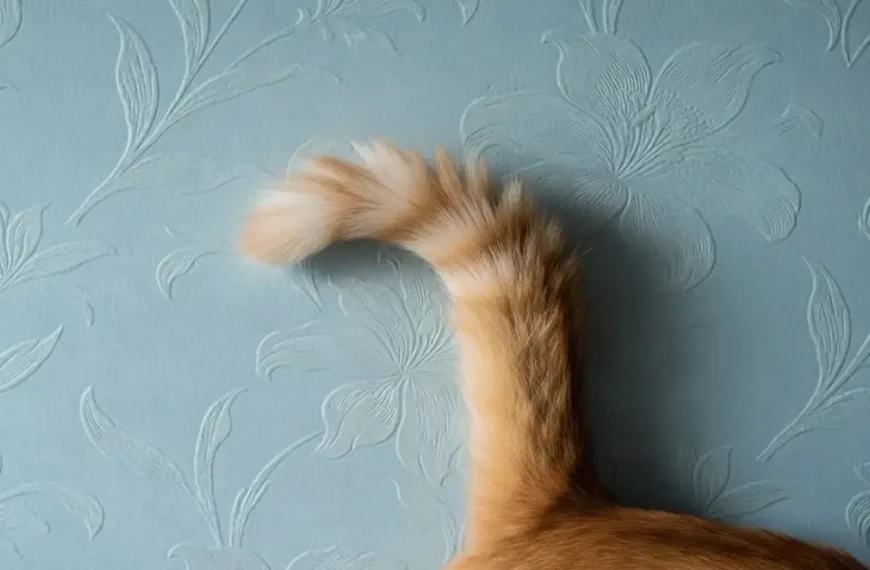
Tail lashing or twitching
Dilated pupils
Vocalizing or growling
Pawing or attacking the screen
Post-TV aggression
If you notice these signs, reduce or stop screen time.
Is Cat TV Bad for Cats’ Eyes or Brain?
There’s no evidence that moderate screen use harms cats’ eyesight or brains. However, constant stimulation without resolution can increase stress hormones.
Cats benefit more from:
Interactive play
Physical movement
Tactile experiences
Screens alone don’t meet all behavioral needs.
Can Cat TV Cause Behavioral Problems?
In some cases, yes.
Possible issues:
Redirected aggression
Obsessive screen fixation
Increased frustration
Reduced interest in real play
These issues usually occur when cat TV replaces physical enrichment.
Best Practices for Safe Cat TV Use
Follow these guidelines:
Place TV at eye level
Secure screens to prevent damage
Limit session length
Pair with play afterward
Rotate content
Always observe your cat’s reaction.
Better Alternatives (or Complements) to Cat TV
Cat TV works best when combined with real enrichment.
Healthier enrichment options:
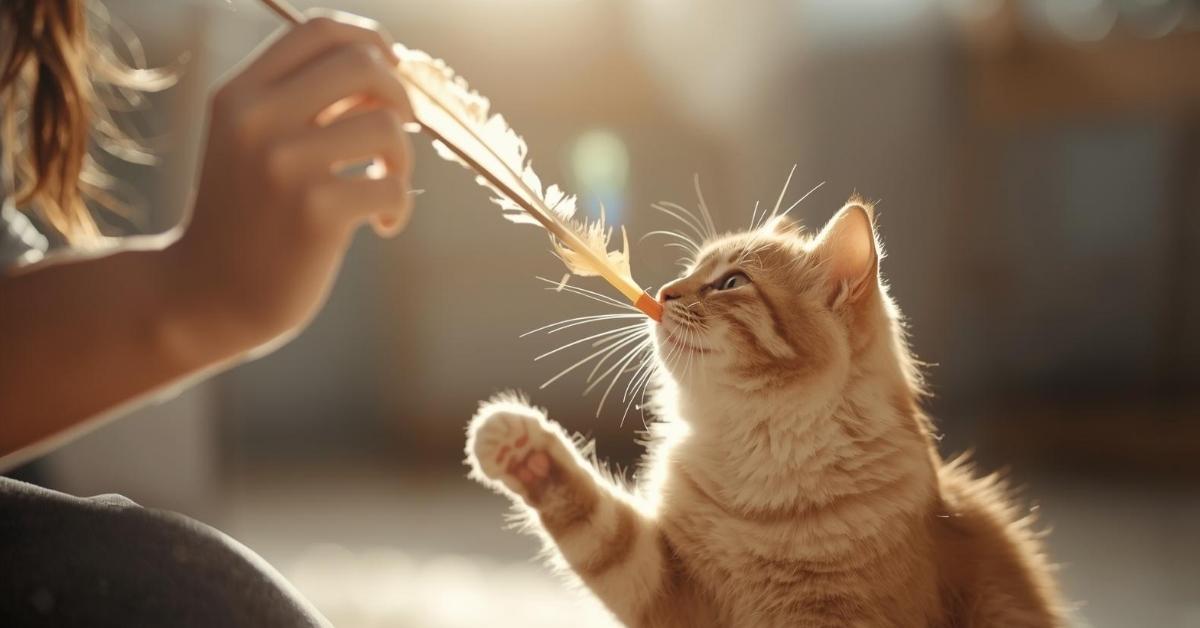
Wand toys
Puzzle feeders
Window perches
Scheduled play sessions
Rotating toys
Real-world play satisfies instincts better than screens alone.
Is Cat TV Safe for Kittens or Senior Cats?
Kittens: Short sessions only; high energy needs real play
Senior cats: Gentle videos may help mental engagement
Age, personality, and health all matter.
So, is cat TV safe? Yes—when used mindfully. Cat TV can be a fun, enriching experience in small doses, but too much feline screen time can lead to frustration and stress.
Use cat TV as a supplement, not a replacement. Watch your cat’s behavior, keep sessions short, and prioritize real-world interaction for a happy, healthy feline.