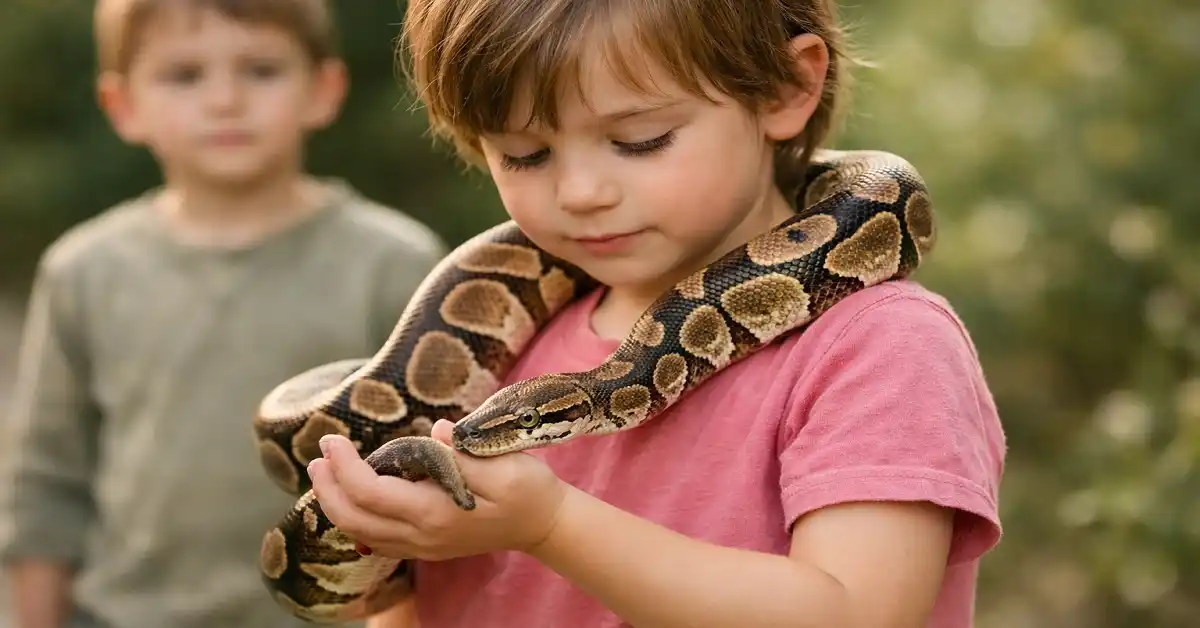

Do ball pythons make good pets for people who want a calm, low-drama reptile companion? Many first-time snake owners feel excited—but also nervous—about choosing the right species.
The wrong snake can mean stress, fear, and unexpected costs. The right one can be fascinating, peaceful, and deeply rewarding. This guide breaks down whether ball pythons make good pets, using real-world experience, science-backed care facts, and honest pros and cons.
Do ball pythons make good pets? Yes, ball pythons are calm, non-venomous snakes that are easy to handle and suitable for beginners. With proper enclosure setup, feeding, and temperature control, they make long-term, low-maintenance reptile pets.
Do Ball Pythons Make Good Pets for Beginners?
Yes—ball pythons make good pets for beginners who are willing to learn basic reptile care. They are docile, slow-moving, and rarely aggressive.
Unlike many snakes, ball pythons prefer to hide rather than strike. Their predictable behavior makes them less intimidating than other species.
Ball pythons are beginner-friendly, but they are not “no-effort” pets.
Ball Python Temperament and Personality
Ball pythons are famous for their calm nature.
Typical temperament traits:
Shy and non-aggressive
Rarely bite when properly handled
Curl into a “ball” when stressed
Slow, deliberate movements
They tolerate handling well once acclimated and are unlikely to chase or act defensively.
Why Are Ball Pythons So Popular as Pets?
Ball pythons are one of the most popular pet snakes worldwide for good reasons.
Key reasons:
Manageable adult size (3–5 feet)
Non-venomous and safe
Long lifespan (20–30 years)
Huge variety of color morphs
Simple feeding routine
Their calm behavior makes them ideal for quiet households.
Ball Python Care Requirements Explained
While ball pythons make good pets, their care must be correct.
Basic care needs:
Secure enclosure with hides
Temperature gradient (warm & cool side)
Proper humidity (50–60%)
Clean water bowl
Regular enclosure cleaning
Improper conditions can lead to stress, refusal to eat, or illness.
Consistent environment control is more important than frequent handling.
Feeding Ball Pythons: Is It Easy?
Ball pythons eat rodents—usually mice or rats.
Feeding facts:
Eat once every 7–14 days
Prefer frozen-thawed prey
No daily feeding required
Adults eat less often than juveniles
Some ball pythons go on short hunger strikes, especially during breeding season.
Handling Ball Pythons Safely
Proper handling builds trust.
Safe handling tips:
Support the full body
Avoid sudden movements
Don’t handle after feeding
Keep sessions short
With gentle handling, ball pythons remain calm and relaxed.
Costs of Owning a Ball Python
Initial setup:
Snake: moderate cost
Enclosure & heating
Thermostats & hides
Ongoing costs:
Food
Electricity
Occasional vet visits
Overall, they are more affordable than many traditional pets.
Who Should NOT Get a Ball Python?
Ball pythons may not be right for:
People afraid of snakes
Those wanting cuddly pets
Anyone unable to commit long-term
Owners unwilling to manage heating
Honest self-assessment is crucial.
So, do ball pythons make good pets? Absolutely—if you want a calm, low-maintenance, long-living reptile and are prepared for proper setup and long-term care.
They are ideal for beginners, students, and reptile enthusiasts who appreciate quiet, fascinating animals. If you’re ready for responsibility, a ball python can be an excellent lifelong companion.