
When a bird becomes underweight, it can feel alarming. Birds hide illness well, so weight loss often means something serious is happening behind the scenes. Many owners don’t notice the problem until their bird feels lighter when perched or begins to lose energy.
Left untreated, ongoing weight loss can lead to malnutrition, organ stress, and life-threatening complications. Birds cannot survive long without proper caloric intake.
The solution starts with understanding how to help your bird gain weight safely and effectively—using a combination of nutrition, environment, medical care, and supportive feeding. This expert guide covers everything you need to restore your bird’s health.
To help your bird gain weight, offer high-calorie foods such as nuts, seeds, formulated pellets, egg food, and hand-feeding formulas. Identify and treat underlying health issues, reduce stress, improve appetite, and follow a veterinarian’s instructions for safe weight restoration and steady recovery.
To help your bird gain weight, offer high-calorie foods such as nuts, seeds, formulated pellets, egg food, and hand-feeding formulas. Identify and treat underlying health issues, reduce stress, improve appetite, and follow a veterinarian’s instructions for safe weight restoration and steady recovery.
Why Birds Become Underweight
Birds lose weight for many reasons. Understanding the root cause is essential before making dietary changes.
Common causes include:
Poor appetite from illness
Parasites (internal or external)
Nutritional deficiencies
Inadequate diet
Stress or environmental changes
Crop infections
Organ disease (liver, kidney)
High activity levels
Weight gain starts with identifying why the bird is underweight. Always rule out illness first.
Signs Your Bird Is Underweight
Because feathers hide body shape, physical exams are crucial.
Look for these signs:
Prominent keel bone (breastbone)
Reduced muscle mass
Lethargy
Fluffed-up feathers
Poor appetite
Lighter grip strength
Decreased vocalization
If in doubt, weigh your bird regularly using a digital gram scale.
How to Help Your Bird Gain Weight Safely
Let’s break down the steps to restore healthy body condition.
1. Evaluate Your Bird’s Current Diet
A bird losing weight may be eating the wrong foods—or not absorbing nutrients properly.
Healthy base diet includes:
High-quality formulated pellets
Fresh vegetables
Protein-rich foods
Limited seeds
Make feeding predictable: same time daily, fresh clean dishes, quiet location.
2. Add High-Calorie, Nutrient-Dense Foods
These foods help underweight birds gain weight naturally:
Healthy weight-gain foods:
Nuts: almonds, walnuts, pistachios (unsalted)
Seeds: sunflower, safflower (controlled portions)
Cooked eggs or egg food mix
Nutri-cal or vitamin gels (vet-approved)
Avian weight gain formulas
Warm soft foods
Warm foods often increase a bird’s appetite.
3. Offer High-Calorie Pellets
Many brands produce “weight gain” or “high-energy” formulations.
These pellets contain:
Higher fat content
Balanced protein
Added vitamins and minerals
Mix them gradually with normal pellets.
4. Encourage Frequent, Small Meals
Birds have fast metabolisms.
Feeding strategy:
3–5 small meals per day
Remove uneaten food before spoilage
Keep food easily accessible
Offer variety to stimulate interest
5. Reduce Stress to Improve Appetite
Stress burns calories quickly.
Reduce stress by:
Keeping the cage in a quiet area
Maintaining a stable routine
Avoiding sudden temperature changes
Providing plenty of rest
Avoiding predators (cats/dogs near cage)
Environmental comfort improves weight gain dramatically.
6. Check for Medical Issues
Some birds can’t gain weight because of underlying conditions like:
Worms or parasites
Liver disease
Kidney disease
Crop infections
Avian gastric yeast
Respiratory illness
A vet exam prevents wasting precious time.
7. Try Appetite Boosters (Vet-Approved)
Some birds simply need help getting started.
Safe appetite boosters may include:
Hand-feeding formula (for adults too)
Warm mash made of pellets + water
Small amounts of fruit puree
Nutri-Cal paste (with vet approval)
Avoid high-sugar foods.
8. Hand-Feeding as a Supportive Measure
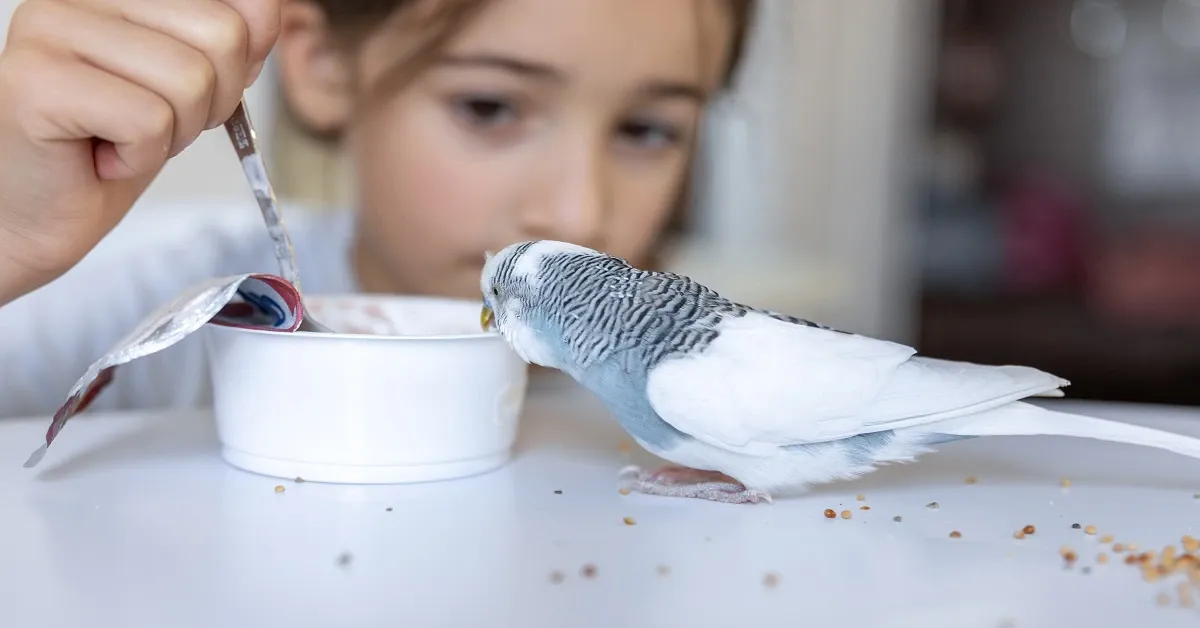
Hand-feeding is highly beneficial when birds are extremely weak or not eating.
General method:
Use commercial avian hand-feeding formula
Serve warm (not hot)
Feed small amounts using a syringe
Follow professional instructions
Hand-feeding is a temporary supportive measure—not a long-term diet.
9. Monitor Weight Daily
Use a gram scale and track your bird’s progress.
Healthy weight gain rate:
1–3% of body weight per day (depending on species)
If weight drops again, return to the vet immediately.
10. Improve Digestive Function
Digestive issues can block weight gain.
Potential solutions:
Probiotics
Warm foods
Easily digestible pellets
Proper hydration
Never give human digestive supplements unless approved by an avian vet.
High-Calorie Foods Birds Can Eat Safely
Natural weight boosting foods:
Nut butters (tiny amounts)
Quinoa
Cooked brown rice
Hard-boiled eggs
Avocado (NO – unsafe)
Mealworms (for insectivorous birds)
Never feed: chocolate, avocado, caffeine, fruit pits, onion, alcohol.
Supplements That Support Weight Gain
Use only after vet approval.
Recommended supplements:
Calcium
Vitamin A
Omega fatty acids
Protein powders formulated for birds
Avoid over-supplementation—this can be dangerous.
Why Your Bird Still Can’t Gain Weight
If diet changes aren’t working, investigate:
Underlying issues:
Malabsorption syndrome
Psittacosis
AGY (avian gastric yeast)
Crop stasis
Heavy parasite load
Poor-quality diet
These require medical treatment.
When to See a Veterinarian Immediately
Seek urgent care if your bird shows:
Rapid weight loss
Not eating
Fluffed-up posture all day
Difficulty perching
Vomiting or diarrhea
Weakness
Breathing issues
Early intervention saves lives.
Knowing how to help your bird gain weight can save its life. By providing high-calorie foods, reducing stress, treating medical issues, and monitoring regularly, your bird can recover safely.
If your bird is losing weight rapidly, contact an avian veterinarian immediately. Early care is essential.