
Neurological disorders in cats often appear suddenly, leaving owners confused and worried. When a cat starts stumbling, shaking, or behaving abnormally, the fear of a serious condition becomes overwhelming.
The problem intensifies because neurological issues can worsen quickly if not treated. A simple tremor or head tilt may be the early sign of a deeper brain or spinal condition.
The solution is early recognition, professional diagnosis, and proper treatment. This complete guide explains everything you need to know about neurological disorders in cats, from symptoms to treatment and long-term care.
Neurological disorders in cats are conditions that affect the brain, spinal cord, or nerves, leading to symptoms like seizures, ataxia, tremors, paralysis, and behavior changes. These disorders may be caused by injury, infection, inflammation, tumors, or genetic diseases and require veterinary diagnosis.
What Are Neurological Disorders in Cats?
Neurological disorders are conditions that disrupt normal communication between a cat’s brain, spinal cord, and nerves. These disorders affect movement, balance, coordination, and behavior.
The severity ranges from mild tremors to complete paralysis.
Early Warning Signs of Neurological Disorders in Cats
Recognizing symptoms early can save your cat’s life.
Common early signs include:
Sudden loss of balance
Head tilting
Unusual eye movements
Weakness in limbs
Difficulty walking (ataxia)
Seizures
Disorientation
Drooling or facial twitching
Behavioral changes
Any sudden change in coordination or behavior may indicate a neurological problem requiring immediate veterinary care.
Causes of Neurological Disorders in Cats
Neurological problems can arise from multiple underlying causes:
1. Trauma
Falls or accidents can damage the brain or spinal cord.
2. Infections
Toxoplasmosis
FIP (Feline Infectious Peritonitis)
Bacterial infections
3. Inflammation
Meningitis or encephalitis can cause swelling in the brain.
4. Tumors
Brain tumors are more common in older cats.
5. Genetic Conditions
Certain breeds (e.g., Scottish Fold, Burmese) are more prone.
6. Toxins
Ingesting toxic plants, chemicals, or medications.
7. Metabolic Disorders
Kidney disease or thyroid disorders can affect the nervous system.
Common Types of Neurological Disorders in Cats
1. Vestibular Disease
This affects the inner ear or brainstem, causing:
Loss of balance
Head tilt
Staggering
Vomiting
Most cases are treatable with supportive care.
2. Feline Epilepsy
Epilepsy causes repeated seizures triggered by abnormal brain activity.
Symptoms:
Sudden collapse
Muscle jerking
Drooling
Confusion after seizure
3. Ataxia
Ataxia is the loss of coordination and control.
Three types:
Cerebellar: jerky movements
Vestibular: balance problems
Sensory: limb weakness
4. Encephalitis & Meningitis
Brain or spinal cord inflammation caused by:
Viruses
Bacteria
Immune conditions
Requires aggressive medical treatment.
5. Feline Cognitive Dysfunction (Cat Dementia)
Older cats may experience:
Confusion
Wandering
Night vocalization
Memory loss
6. Spinal Cord Disorders
Causes include:
Vertebral fractures
Intervertebral disc disease (IVDD)
Nerve compression
Cancer
How Vets Diagnose Neurological Problems
Veterinary neurologists use specialized tests to identify the cause.
Common diagnostic tools:
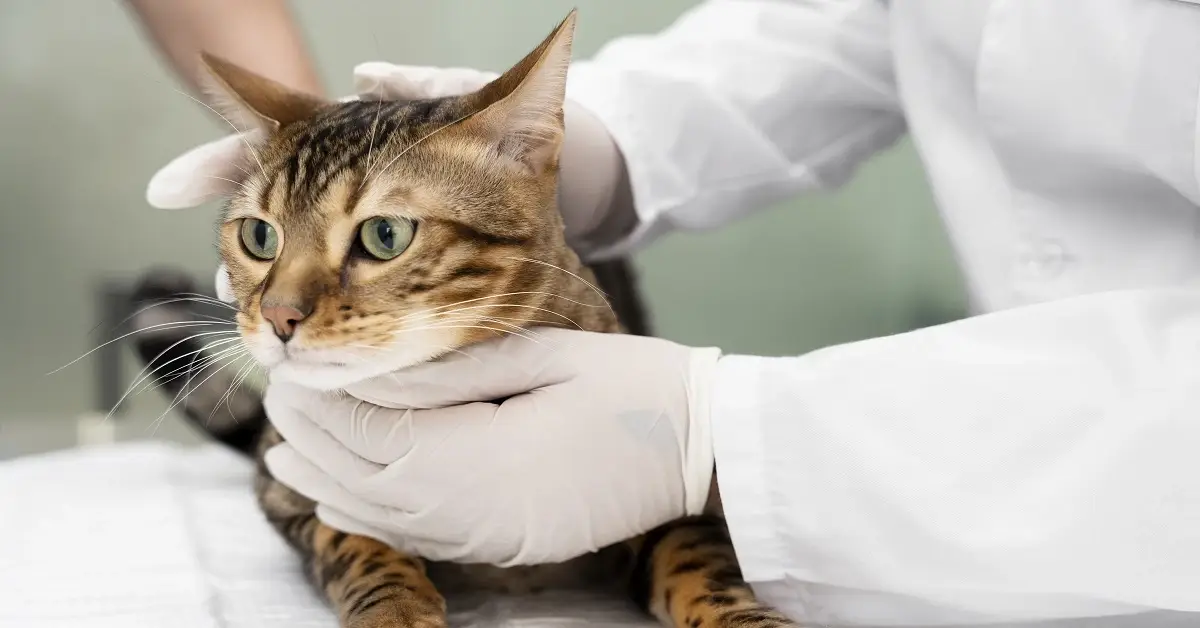
Neurological physical exam
Blood tests
MRI or CT scan
Spinal tap (CSF analysis)
X-rays
Infectious disease testing
Advanced imaging like MRI is often needed to diagnose brain or spinal disorders accurately.
Treatment Options for Neurological Disorders in Cats
Treatment depends on the underlying cause:
1. Medications
Anti-seizure drugs
Anti-inflammatory steroids
Antibiotics or antifungals
Pain relievers
2. Surgery
Used for:
Tumor removal
Herniated discs
Spinal fractures
3. Supportive Care
IV fluids
Oxygen therapy
Nutritional support
4. Long-term Management
Cats with chronic neurological issues may need:
Daily medications
Periodic monitoring
Adjusted home environment
Home Care & Management Tips
You can support your cat’s recovery with:
Safety Adjustments
Remove sharp objects
Use non-slip mats
Provide easy-access litter boxes
Environmental Comfort
Soft bedding
Quiet space
Low-stress environment
Assistive Support
Lift harness for mobility
Elevated food bowls
When to See a Veterinarian Immediately
Seek emergency care if your cat shows:
Repeated seizures
Sudden paralysis
Continuous head tilt
Inability to stand
Severe disorientation
Uncontrolled tremors
These may indicate life-threatening neurological damage.
How to Prevent Neurological Disorders in Cats
While not all conditions are preventable, you can reduce risks:
- Keep cats indoors
- Vaccinate against infectious diseases
- Avoid toxic plants & chemicals
- Maintain annual vet checkups
- Provide a balanced diet
- Prevent falls & injuries
Neurological disorders in cats can be frightening, but early detection and proper treatment significantly improve outcomes. Understanding symptoms, causes, and care options empowers you to protect your cat’s health.
If you suspect neurological issues, contact your veterinarian immediately — early intervention saves lives.