
How I Learned to Listen to My Cat’s Tail
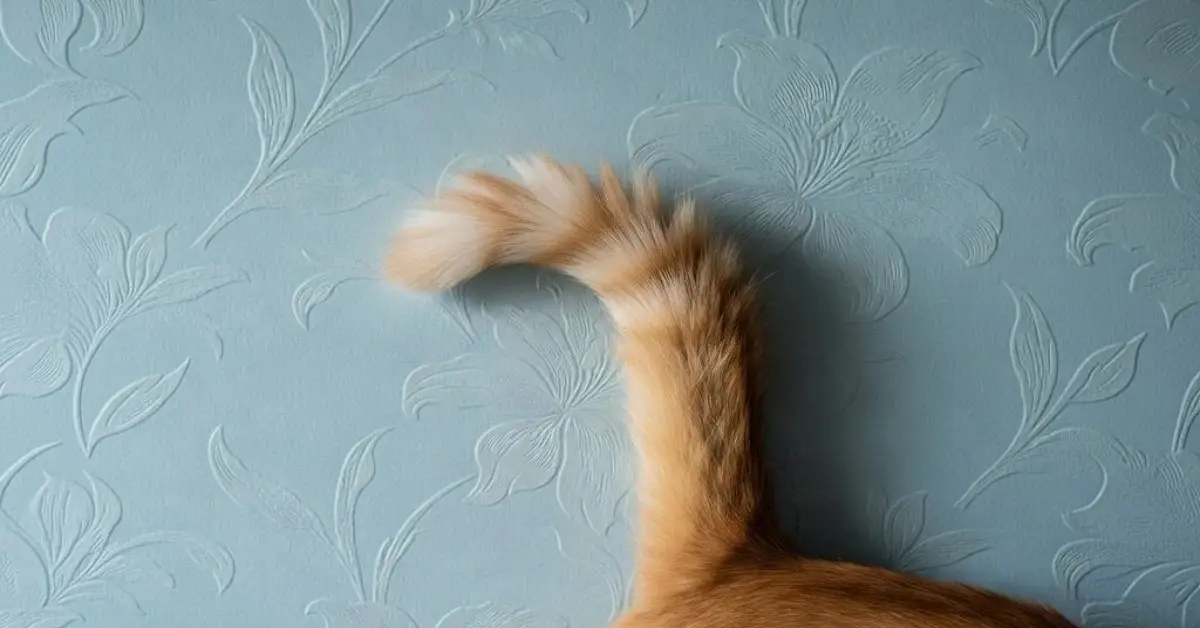
The first time I truly noticed my cat’s tail, I wasn’t trying to study her behavior. I was sitting on the couch, exhausted after a long day, watching her sit by the window. She wasn’t moving much, but the very tip of her tail was slowly twitching. It was such a small motion, yet it felt full of meaning.
That moment was the beginning of my journey into cat tail talk.
At the time, I didn’t know it had a name. I just knew that something inside her was speaking, and I had never really listened before. Over time, living with cats taught me that tails are not just balance tools. They are emotional instruments. They reveal fear, curiosity, affection, and stress long before a cat ever makes a sound.
Once I started paying attention, everything changed.
TABLE OF CONTENTS
Introduction: How I Learned to Listen to My Cat’s Tail
Why Cat Tail Talk Matters More Than Meows
Secret 1 – The Tail Is Your Cat’s Emotional Barometer
Secret 2 – An Upright Tail Is a Sign of Trust
Secret 3 – The Question-Mark Tail and Social Curiosity
Secret 4 – Flicking Means “Too Much”
Secret 5 – A Tucked Tail Reveals Fear
Secret 6 – Puffed-Up Tails and Panic
Secret 7 – Slow Swaying and Quiet Contentment
Secret 8 – Tail Wrapping as Feline Affection
Secret 9 – Reading Tails Prevents Bites and Scratches
Secret 10 – Trust Is Built by Respecting the Tail
Common Mistakes Cat Owners Make
How I Used Tail Talk to Build Trust With a Shy Cat
Interactive Reflection
FAQ
Final Thoughts
Why Cat Tail Talk Matters More Than Meows
Cats are often misunderstood because they don’t communicate the way we do. We look for words or facial expressions. Cats rely on posture, movement, and especially their tails.
My cat rarely meowed. For a long time, I thought she was quiet or distant. But her tail told a different story. It showed me when she was curious, when she was unsure, and when she finally felt safe around me.
Learning to read cat tail talk is like learning a new language. It doesn’t just help you avoid scratches or bites. It helps you connect emotionally with your cat in a deeper way.
Secret 1 – The Tail Is Your Cat’s Emotional Barometer
I once had a cat who would sit near me but never close. Her body looked relaxed, but her tail was always tight and wrapped around her legs. That tail told me she was still guarding herself emotionally.
A cat’s tail changes with their nervous system. When they feel safe, it softens. When they feel threatened, it stiffens.
Over time, I learned to look at the tail first before touching her. When it was loose, I could approach. When it was tight, I gave space.
That simple awareness built trust.
Secret 2 – An Upright Tail Is a Sign of Trust
One day, after weeks of quiet coexistence, my cat walked toward me with her tail straight up. I remember feeling something shift in the room.
That upright tail meant she was confident and open. It meant she wasn’t afraid of me anymore.
Cats do not greet strangers with upright tails. They do it for those they feel safe with. It is their version of a friendly hello.
Secret 3 – The Question-Mark Tail and Social Curiosity
Sometimes the tail stands up, but the tip curls slightly, almost like a question mark. I see this often when my cat approaches me slowly.
That curled tip means curiosity. She is saying, “I’m open to interaction, but I’m not sure yet.”
When I learned to respect that gentle invitation instead of grabbing her, she began seeking me out more.
Secret 4 – Flicking Means “Too Much”
I used to think my cat loved long petting sessions. She purred the whole time. But her tail would flick sharply, back and forth.
That flicking was not playfulness. It was her trying to tell me to stop.
Once I started ending petting when her tail flicked, she stayed relaxed. The biting stopped. Our bond deepened.
Secret 5 – A Tucked Tail Reveals Fear
A tail wrapped tightly around the body is emotional self-protection.
My rescue cat lived in that posture for months. Slowly, as she trusted me, her tail began to loosen.
The tail was the first sign of healing.
Secret 6 – Puffed-Up Tails and Panic
A puffed tail looks aggressive, but it usually means fear. I learned this when a loud noise startled my cat and her tail suddenly doubled in size.
She wasn’t angry. She was scared.
Giving her space allowed her to calm down and trust me again cat tail talk.
Secret 7 – Slow Swaying and Quiet Contentment
A slow, gentle tail movement means your cat is relaxed but alert. My cat does this when lying beside me in the evening.
It’s one of the calmest emotional states a cat can be in.
Secret 8 – Tail Wrapping as Feline Affection
When my cat wraps her tail around my leg, I know she’s saying hello. It’s a soft, affectionate gesture.
It took time for her to do this. Now it happens often.
Secret 9 – Reading Tails Prevents Bites and Scratches
Most negative reactions come from ignored tail signals. When you respect those signals, your cat feels heard.
That builds safety for both of you.
Secret 10 – Trust Is Built by Respecting the Tail
The more I listened to my cat tail talk, the more she trusted me.
Not because I trained her.
But because I understood her.
Common Mistakes Cat Owners Make
Ignoring tail flicks.
Forcing affection when the tail is tucked.
Assuming purring means comfort.
The tail always tells the truth.
How I Used Tail Talk to Build Trust With a Shy Cat
I stopped forcing interaction.
I waited for loose tails.
I respected flicks.
Slowly, she came closer.
Interactive Reflection
The next time your cat sits near you, ask:
Is their tail relaxed or tight?
Is it still or moving?
Their answer is already there.
Final Thoughts
Learning to understand cat tail talk taught me how deeply cats communicate without sound. Once I began watching my cat’s tail instead of just reacting to her behavior, everything changed. She became calmer. I became more patient. And our bond grew stronger in a way I never expected.
A cat’s tail doesn’t just show mood—it can also reflect discomfort, stress, or pain. That’s why understanding feline body language matters so much, especially when health is involved. If you want to go deeper into how physical discomfort affects behavior, this guide on chronic vs. acute pain in cats explains how subtle changes can reveal when something isn’t right.
When we learn to truly listen to our cats—through their tails, their posture, and their quiet signals—we don’t just avoid misunderstandings. We build trust. And that trust is what turns a house into a home for them.