
Why Pet Rat Care Is Often Done Wrong
Pet rat care is something many people think they understand — until they actually live with rats.
I still remember the first time one of my rats refused to come out of her hammock. She was not sick. She was not injured. She was simply unhappy. At that moment, I realized something important: rats do not complain loudly when something is wrong. They withdraw.
This is what makes pet rat care tricky. Problems do not always show up as obvious illness. They show up as boredom, stress, fear, or quiet sadness. If you miss those signs, your rat’s health slowly suffers.
By the end of this guide, you will understand how to provide real pet rat care — the kind that keeps your rats active, trusting, and truly happy.
Table of Contents
Why Pet Rat Care Matters
Rats are emotional animals. They feel stress, comfort, curiosity, and loneliness. When their needs are not met, their bodies weaken.
Veterinary experts from have shown that stress is a major trigger for respiratory disease in rats. Poor pet rat care often leads to illness even when food and water are available.
Good care is not about doing more. It is about doing the right things consistently.
Tip 1 – Build the Right Living Space
A rat’s cage is not just housing. It is their world.
In proper pet rat care, the cage must support climbing, hiding, and resting. Rats feel safest when they can move upward, explore, and retreat when needed.
A healthy cage includes:
Multiple levels
Solid ramps
Good airflow
Wide doors
Bar spacing under 1.5 cm
Inside the cage, rats also need hammocks, tunnels, ledges, and nesting areas. These give them places to sleep, play, and feel protected.
Tip 2 – Never Keep Rats Alone
This is one of the most important rules of pet rat care.
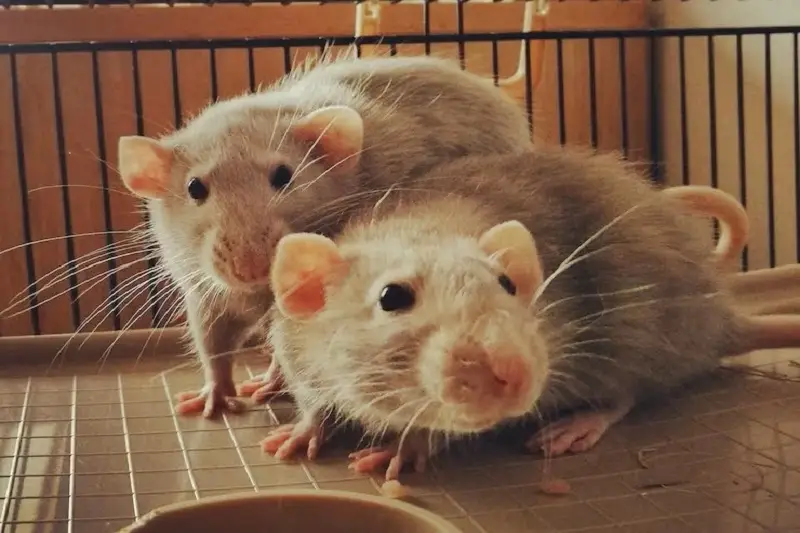
Rats are social by nature. A single rat often becomes depressed, anxious, and even aggressive.
I once adopted a lone rat who barely moved. After introducing a cage mate, his personality completely changed. He became playful again. That is the power of companionship.
Always keep rats in pairs or small groups.
Tip 3 – Feed for Health, Not Just Taste
Many health problems come from poor diet.
In proper pet rat care, most of their nutrition should come from high-quality lab blocks or pellets. These provide balanced protein, fiber, and minerals.
Fresh foods should be added in small amounts. Vegetables, leafy greens, fruit, and cooked protein support strong immunity and energy.
Avoid sugary snacks, processed food, and anything toxic like chocolate or onions.
Pro Tips – Feeding
Introduce new foods slowly
Always provide fresh water
Remove leftover fresh food within 12 hours
Tip 4 – Keep Their Minds Busy
Rats are intelligent. When bored, they become stressed.
Good pet rat care includes enrichment like cardboard tunnels, treat puzzles, paper bags, and climbing toys. These small challenges give rats something to explore and solve.
Mental stimulation keeps their mood and immune system strong.
Tip 5 – Clean Smart, Not Too Much
A dirty cage causes illness. An over-clean cage causes stress.
The goal of pet rat care is balance. Spot clean daily. Do a full clean weekly. Use mild soap or vinegar instead of strong chemicals.
Rats need a familiar smell to feel safe.
Tip 6 – Handling and Trust
Rats must learn that your hands are safe.
Let them come to you. Use treats. Move slowly. With consistent pet rat care, even shy rats become affectionate and curious.
Tip 7 – Watch for Health Changes
Rats hide pain well.
Signs to watch:
Sneezing
Red discharge
Weight loss
Head tilt
Low energy
These require an exotic vet.
Tip 8 – Air and Temperature Control
Rats have sensitive lungs. Smoke, perfume, and dust can damage them.
Keep their room between 18–24°C and well ventilated. This is a critical part of long-term pet rat care.
Tip 9 – Grooming and Physical Checks
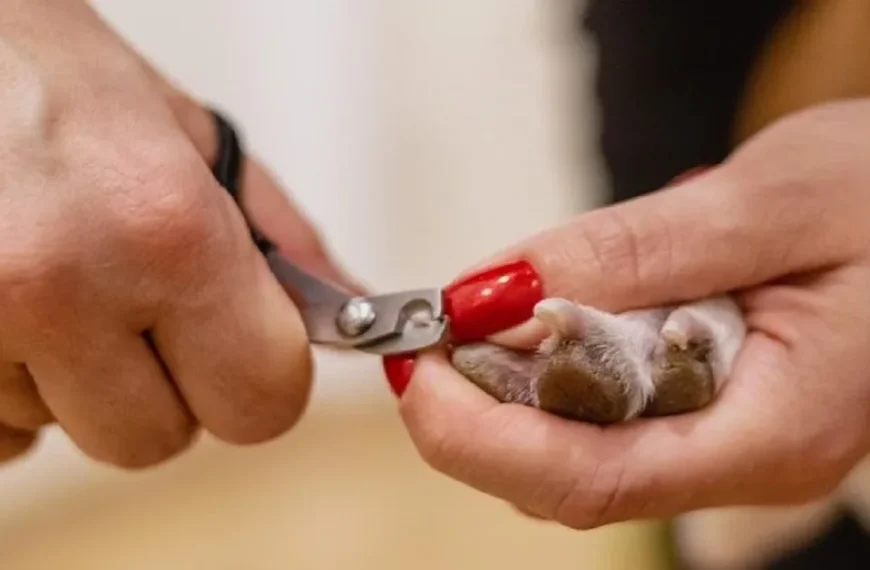
Check their fur, nails, teeth, and skin regularly. Small changes often appear before serious illness.
Tip 10 – Create a Routine
Rats feel safer when life is predictable. Feeding, cleaning, and playtime at the same time every day builds trust and reduces stress.
Key Takeaways
Rats need companionship
A good cage prevents stress
Diet affects lifespan
Clean air protects lungs
Gentle handling builds trust
Checklist for Healthy Rats
At least two rats
Large, well-ventilated cage
Balanced diet
Fresh water daily
Toys and climbing
Daily interaction
Weekly cleaning
When you practice real pet rat care, rats become affectionate little companions who trust you deeply. The more you understand their needs, the more rewarding the relationship becomes.
If you enjoy learning about unique small pets, you may also like our in-depth guide:
Are Ferrets Good Pets? Pros and Cons — it explores how ferrets compare to other intelligent, social animals like rats.
What has been the hardest part of caring for your rats? Share your experience in the comments—I would love to hear your story.