
How to Train Your Pet Mouse So It Wants to Play With You
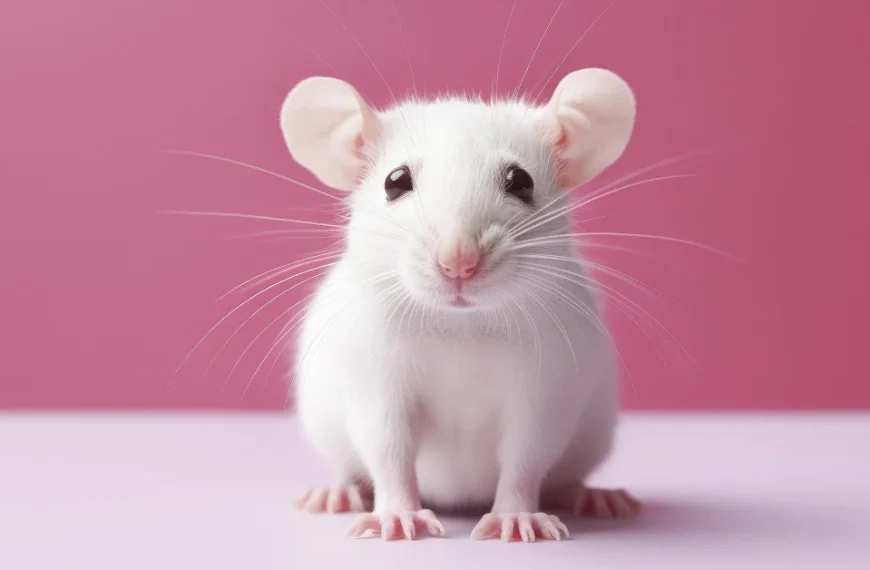
Learning how to train your pet mouse is not about forcing tricks — it is about building trust so your mouse wants to interact with you.
Most mice are fearful at first. They hide, freeze, or run. That distance can make owners feel disconnected.
The solution is gentle, structured, reward-based training that turns fear into curiosity.
How to train your pet mouse means using gentle handling, rewards, and consistent interaction to build trust. With positive reinforcement and daily playtime, mice learn to feel safe around you and willingly engage in games, exploration, and bonding activities.
Why Training Your Pet Mouse Matters
Mice are intelligent social animals. Without stimulation, they become stressed and withdrawn.
Training improves:
Mental health
Physical activity
Bonding
Lifespan
Confidence
A trained mouse will:
Walk onto your hand
Follow treats
Explore outside the cage
Play with toys
Respond to your presence
Key Takeaway: Training transforms a fearful mouse into a curious companion.
Understanding Mouse Psychology Before Training
Before you begin learning how to train your pet mouse, you must understand how mice think.
Mice are:
Prey animals
Easily startled
Highly scent-driven
Curious once safe
They do not respond to force. They respond to repetition + safety + rewards.
Step 1: Create a Safe Training Environment
Your mouse must feel secure before any learning begins.
Do this first:
Place cage in a quiet area
Avoid sudden noises
Provide tunnels and hiding spots
Use soft bedding
A stressed mouse cannot learn.
Step 2: Let Your Mouse Get Used to Your Scent
Before you ever touch the mouse, let it learn who you are.
How:
Place your clean hand in the cage
Do not move
Let the mouse sniff you
Repeat daily
This teaches that your scent = safety.
Step 3: Use Food to Build Trust
Food is the fastest way to train a mouse.
Best treats:
Sunflower seeds
Cooked rice
Tiny bits of banana
Oats
Hold the treat and wait.
The mouse will come.
That moment is the start of training.
Step 4: Teach Your Mouse to Step on Your Hand
This is the foundation of how to train your pet mouse.
Place treat on your palm
Keep hand still
Let mouse walk on you
Do not grab
After a few days, your mouse will walk onto your hand without fear.
Key Takeaway: A mouse that steps onto your hand trusts you.
Step 5: Turn Training into Play
Now training becomes fun.
Games you can use:
Paper towel tunnels
Cardboard mazes
Treat scavenger hunts
Finger-follow games
Your mouse will start to see you as part of its environment.
Step 6: Use Consistent Daily Playtime
Mice learn through routine.
Train for:
5–10 minutes
Once or twice per day
Same time daily
This builds habit and confidence.
Step 7: Advanced Play Training
Once bonded, you can teach:
Come when called
Follow finger
Jump over small obstacles
Enter tunnels on command
This is real rodent training.
Common Mistakes to Avoid
Never:
Grab your mouse
Yell
Chase
Skip days
Use bitter foods
These destroy trust.
Learning how to train your pet mouse is not about control — it is about communication, patience, and trust. When you use gentle handling, positive reinforcement, and daily interaction, your mouse begins to see you as part of its safe world, not a threat.
If you are serious about building a happy, confident small pet, you should also understand proper rodent care. This in-depth guide on essential pet rat care for happy, healthy rodents explains how environment, nutrition, and bonding routines directly impact behavior — the same principles that make mouse training successful.
Start today with consistent play, calm handling, and reward-based interaction, and your pet will soon approach you willingly, explore with curiosity, and truly enjoy time with you.